



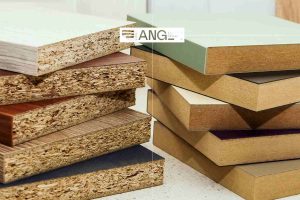

Buying MDF in volume across borders is rarely just a price discussion. Overseas buyers have to balance board consistency, regulatory documents, packaging strength, transit risks, and the supplier’s ability to repeat the same quality across multiple containers. A good purchasing decision also depends on how clearly the supplier communicates tolerances, available finishes, lead times, and what happens when a claim is raised after arrival.
This guide is written for importers, distributors, cabinet and furniture manufacturers, and project contractors placing bulk mdf board orders for export markets. It explains the specifications to confirm before ordering, the most common quality requirements, and how buyers typically evaluate suppliers. It also introduces ANG Industrial Group as an established Iranian manufacturer with industrial-board expertise and export-ready production discipline.
Bulk MDF Board Orders for Export Markets
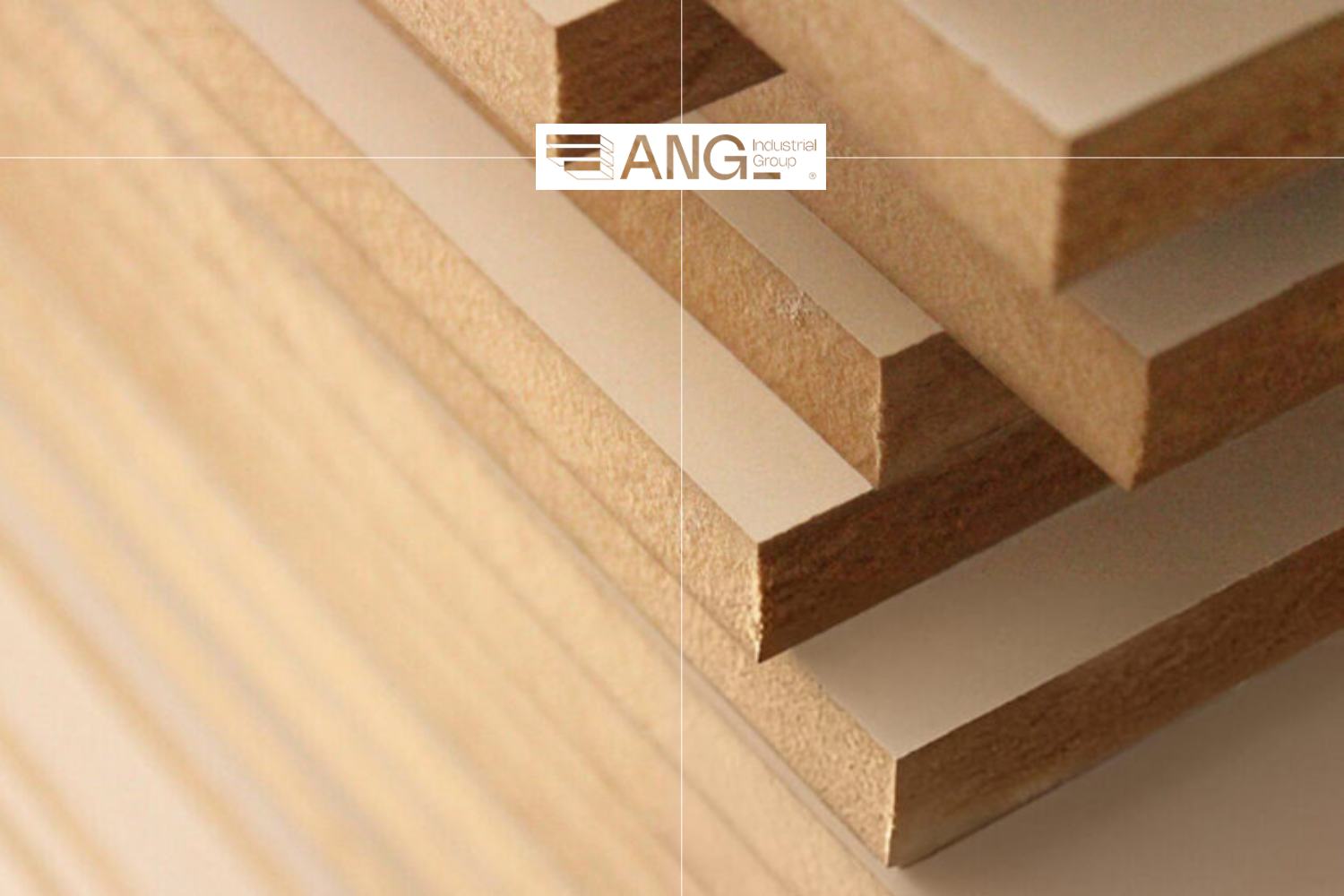
Export-focused MDF purchasing starts with defining the end use, because “MDF” covers multiple board families and surface systems. A furniture line may prioritize smooth sanding performance and stable density, while cabinet door production may require predictable machining and a finish-ready face. For distributors, stock rotation and damage rates become as important as price. This is why successful export procurement usually begins with a clear product matrix rather than a single generic item.
In practice, overseas buyers structure bulk orders around container planning and repeatability. They confirm which thicknesses move fastest, how many sheets fit per pack and per container, and what packaging can survive multi-leg transport. They also verify whether the supplier can keep the same décor, gloss level, and color across production batches. Export markets reward suppliers who can document specifications, hold tolerances, and ship consistently on schedule.
MDF Board Specifications for Overseas Buyers
Specifications should be confirmed as measurable targets, not marketing labels. Key items include thickness tolerance, length and width tolerance, squareness, density range, moisture content at dispatch, and internal bond strength. If boards are intended for CNC routing, edging, or membrane pressing, buyers should request test values related to screw holding, surface soundness, and machining behavior. These parameters affect yield and rework rates far more than small price differences.
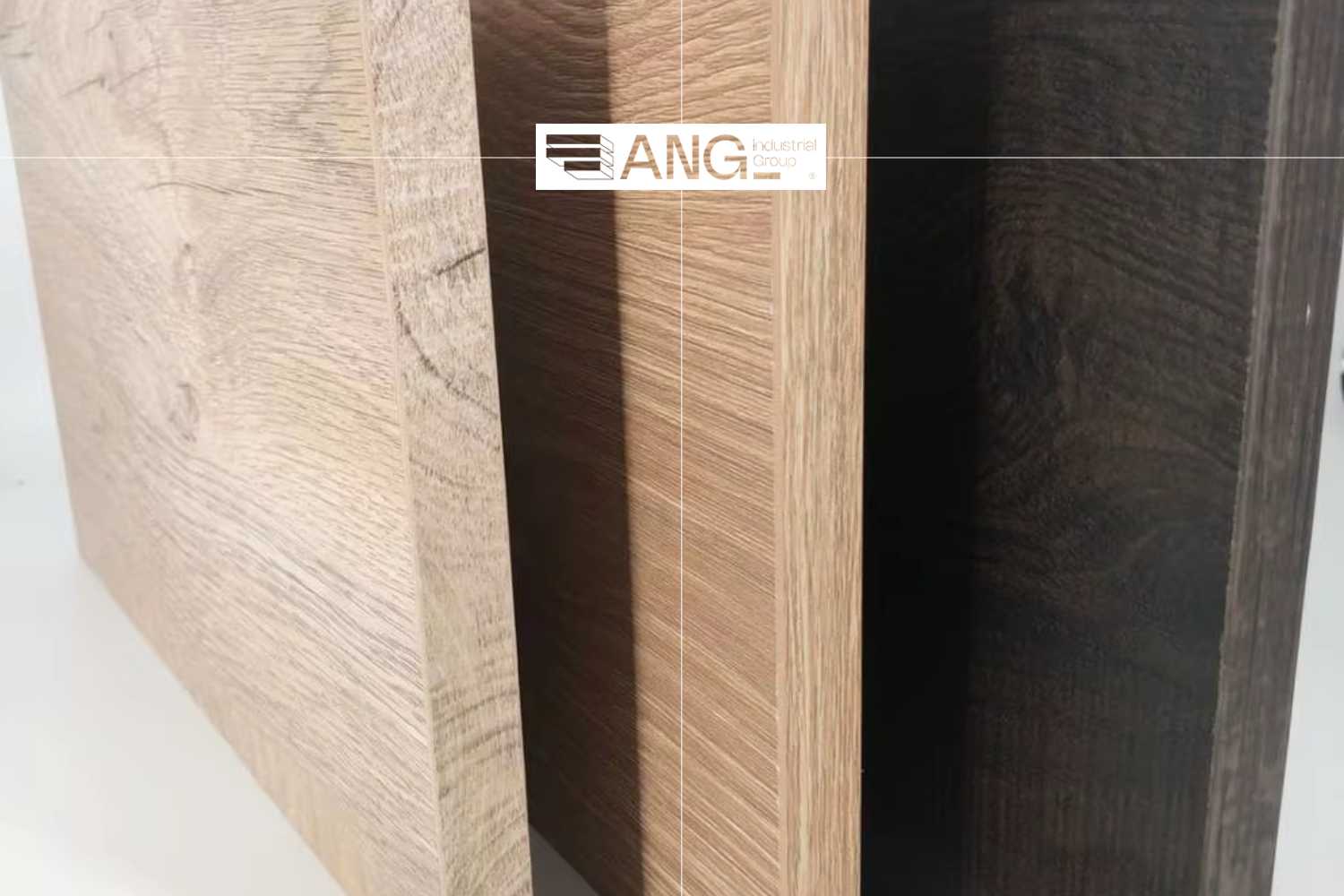
Surface and finish requirements should be specified in detail. For example, laminated faces must be defined by film type, adhesive system, and surface texture, while high-gloss boards need an agreed gloss unit range and scratch resistance expectations. When selecting product categories, buyers often compare raw boards with finished options such as MDF Boards, Laminated MDF, and HighGloss MDF depending on whether finishing is done locally or at the source.
Packaging and labeling are part of the technical specification in export trade. Buyers should confirm pallet type, strap quantity and material, corner protection, moisture barrier film, and pack marking in English with batch codes. Container loading plan matters too: tight bracing reduces edge crush and prevents sheets from shifting. When shipments cross humid or coastal routes, additional moisture protection can protect faces and edges, especially for pre-finished products where cosmetic defects are costly.
Quality Requirements in Bulk MDF Board Orders
Bulk purchasing magnifies small quality issues. A slight density drift, inconsistent sanding, or weak edge integrity can create widespread problems in cutting, lamination, or door profiling. Buyers typically define acceptance criteria for thickness tolerance, surface defects, edge chipping, and warp or bow limits. A realistic approach is to set thresholds for A and B grade usage, then align them with the intended applications so that premium boards are reserved for visible components.
Moisture-related issues are among the most common causes of claims. MDF that is too wet may swell, telegraph through finishes, or grow mold during transit, while overly dry panels can behave unpredictably in machining once acclimated. Overseas buyers should request pre-shipment QC data and confirm storage conditions before loading. For decorative panels such as MDF MatoGlass and MDF Lux Panel, cosmetic inspection standards should include allowable micro-scratches, coating uniformity, and corner protection requirements.
Documentation supports quality control and customs clearance. Typical export files include commercial invoice, packing list, certificate of origin, and product data sheets. Depending on destination, buyers may also need formaldehyde emission declarations, fumigation or pallet treatment statements, and inspection reports. Aligning documents with pack labels and batch codes helps trace production lots if a performance issue appears later during manufacturing or installation.
How Overseas Buyers Choose MDF Board Suppliers
Experienced buyers evaluate suppliers on repeatability, not just one successful shipment. They look for stable raw material sourcing, controlled production lines, and a quality system that can provide consistent board properties over time. Communication is part of supplier quality: clear answers on tolerances, lead times, and claim handling usually indicate a mature export process. Buyers also value suppliers who can offer multiple board types and finishes without sacrificing clarity on specifications.
Factory capability matters most when the order includes finished boards or integrated components. For cabinet and interior projects, many buyers want coordinated surfaces and matching countertop solutions. A supplier that can align boards with related products such as MDF Countertop ranges can reduce sourcing complexity and color mismatch risk. When planning multi-container programs, the ability to lock décor batches and provide long-term availability can be a decisive factor.
Commercial terms still matter, but they should be checked alongside operational details. Buyers typically compare payment terms, production lead time, minimum order quantities, and shipment flexibility. They also ask practical questions: Can the supplier send pre-production samples? Are there photos or videos of packaging and loading? Is there a documented response process for transit damage? These operational points often predict the real total cost more accurately than a headline unit price.
Bulk MDF Board Orders from ANG
ANG Industrial Group is an Iranian industrial group with more than 30 years of experience in manufacturing and industrial activity, serving domestic industries and export-focused customers with engineered board solutions. The product portfolio is designed around real interior and cabinetry needs, including MDF and chipboard cabinet countertops, PVC and high-gloss boards, three-layer PVC foam panels, and PSD wall coverings. For overseas buyers, this breadth helps consolidate sourcing while keeping specifications aligned across related surfaces.
For bulk programs, ANG’s approach emphasizes clear product selection based on application. Importers sourcing decorative and durable surfaces can choose from high-gloss and specialized panels, while cabinet producers can specify boards and matching countertop systems for unified projects. Options include niche categories such as mdf corian countertops where buyers want a specific appearance and performance profile. The focus is on realistic performance targets, production discipline, and export-ready packaging practices.
Overseas buyers who want to reduce risk in bulk mdf board orders typically benefit from a structured inquiry. It helps to share target thicknesses, finish type, monthly volume, destination port, and the intended processing method, such as CNC cutting, edge banding, or direct installation. ANG Industrial Group can be contacted for coordination and order planning at No. 23, Kavousifar St., Shahid Beheshti St., Tehran, Iran, or via +982186120021, +989905063760, and +447440291657, so buyers can align specifications, packaging, and lead times before production begins.
Ordering MDF internationally becomes easier when the purchase is treated as an engineering and logistics decision, not a commodity transaction. Clear specifications, defined quality criteria, and export-grade packaging prevent most disputes and reduce waste at the factory floor after arrival. By choosing a supplier with repeatable production, documented QC, and a product range that matches real applications, overseas buyers can build reliable supply programs and keep costs predictable across multiple shipments.


Innovation and quality in the production of cabinet panels
In the cabinet production factory, focusing on quality and innovation as two basic principles are of great importance. By using advance...

The use of PVC in the cabinet making industry
PVC is one of the most widely used and popular materials in the construction industry, which is used to produce a variety of products. ...
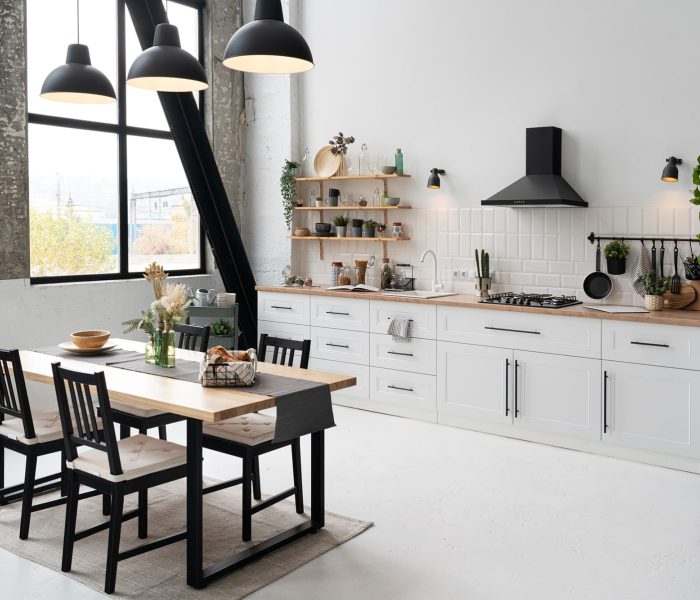
ANG marble sheet: beauty and quality at a glance
Marble sheet or high glass is one of the best products produced by ANG industrial group. Using advanced technologies and high-quality m...

The top rank in the second conference of the business industry of the country
Achieving the top rank in the second conference of the country's business industry: effort, innovation and quality
In the second confer...
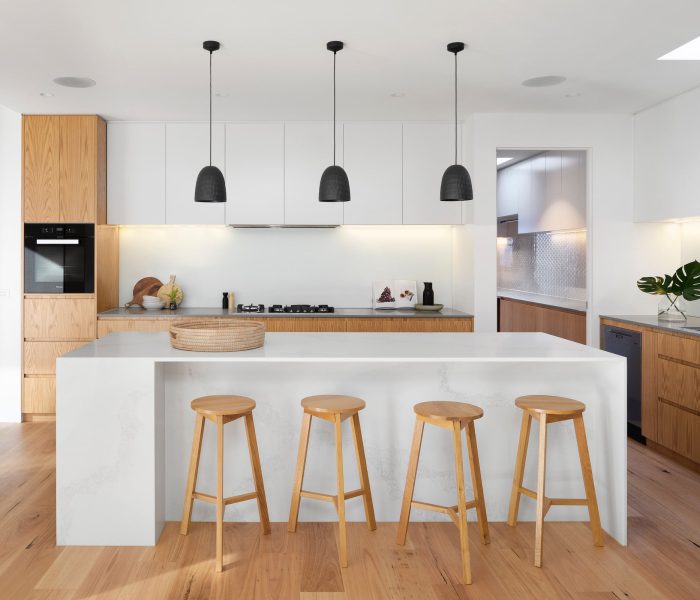
Economical use of ANG Matoglas in kitchen decoration
As one of the outstanding products in the world of kitchen decoration, our mattoglass is produced by the ANG industrial group using adv...
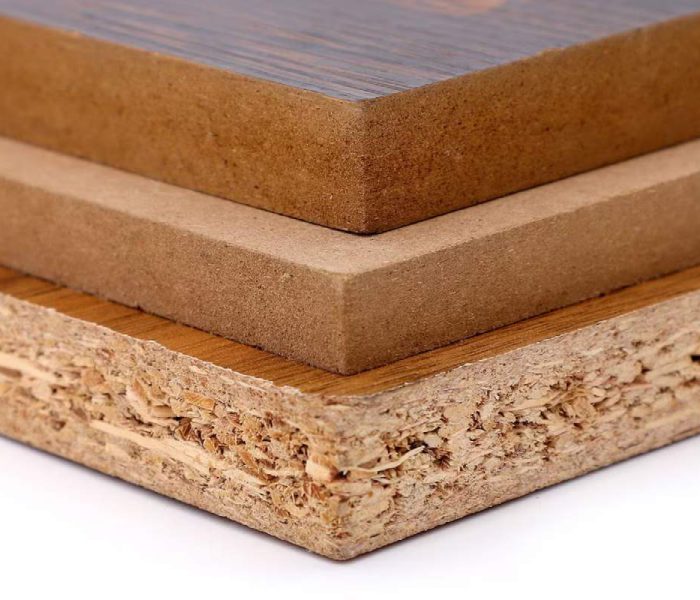
mdf sheets wholesale
When looking to buy MDF sheets wholesale, choosing the right supplier is crucial for getting quality products at competitive prices. MD...
