




Choosing a PVC sheet looks simple until you compare options side by side. Thickness, density, surface finish, and sheet format all change how the board behaves during cutting, installation, and long-term use. The right selection can make a wall cladding job feel clean and precise, while the wrong choice may lead to warping, poor screw holding, or visible surface defects after only a short time.
This guide explains How to Choose PVC Sheet with practical criteria used by fabricators, architects, and interior teams. It also reflects what buyers in Iran typically need: consistent quality, predictable availability, and finishes that match real interior design requirements. Throughout the article, ANG Industrial Group is mentioned as a trusted local reference with decades of industrial experience in PVC foam panels, decorative wall solutions, and interior boards.
Applications of PVC Sheet in Different Projects
PVC sheets are used where moisture resistance, easy cleaning, and stable surfaces matter. In interior construction, they often appear as wall and ceiling cladding, partitions, and wet-area linings. In retail and commercial spaces, PVC can be chosen for lightweight signage backboards, display units, and surfaces that require frequent cleaning. The main advantage is that PVC does not behave like wood-based boards when exposed to humidity, so swelling and mold risk are easier to control.
Application should drive the selection. A sheet used behind a sink needs different priorities than a sheet used inside a cabinet. For example, decorative wall systems need a finish that hides joints well and resists scratches from everyday contact. Furniture and cabinetry benefit from better screw holding, consistent thickness, and compatibility with edge banding or lamination. For project-based sourcing in Iran, many contractors review pvc sheets & panels to compare formats suitable for interiors, joinery, and architectural detailing.
Choosing the Right PVC Sheet Thickness
Thickness is one of the quickest indicators of how a PVC sheet will perform, but it should never be selected by habit alone. Thicker boards typically resist bending better, provide improved fixing strength, and feel more substantial in finished work. At the same time, thickness affects weight, cost, and how easily a sheet can be cut and handled on-site. For foam PVC in particular, density and cell structure also influence stiffness, so equal thickness from different suppliers may not behave the same.
To choose accurately, define the loads and the installation method. If the sheet is bonded directly to a flat substrate, you may not need maximum thickness. If it spans a frame, carries fittings, or receives repeated impact, selecting a thicker and higher-quality board reduces call-backs. Fabrication details matter too: routing, CNC work, and edge finishing generally look cleaner when the thickness is stable and the board core is uniform.
Recommended PVC Sheet Thickness for Walls
For wall coverage, thickness is typically chosen based on the wall condition and the type of panel system. Thin sheets can work on smooth, prepared surfaces with full adhesive support, while thicker options help when the wall has minor unevenness or when fastening methods are used. If the design involves decorative wall systems, coordinated accessories and installation guidelines become as important as thickness. Many teams compare options in pvc wall panels to match the thickness to the profile, joint style, and real on-site conditions.
Suitable PVC Sheet Thickness for Furniture
Furniture applications usually prioritize rigidity and screw holding, especially for cabinet bodies, internal partitions, and utility modules. A practical approach is to choose a thickness that feels stable when lifted and does not flex during handling, because that same flex often shows up as misalignment during assembly. For visible furniture faces, thickness consistency improves edge alignment, and it reduces steps or gaps at joints that become noticeable under lighting.
PVC Sheet Thickness for Industrial Use
In industrial environments, thickness selection should reflect the expected wear, cleaning chemicals, and any mechanical contact. Sheets used for protective liners, equipment covers, or workshop surfaces benefit from higher stiffness and better impact resistance. It is also important to confirm working temperature range, thermal expansion behavior, and whether the board will be fixed with screws, rivets, or adhesive systems. When industrial boards are cut repeatedly, a stable core reduces chipping and keeps dimensional accuracy closer to the design.
PVC Sheet Material Quality
Material quality is not only about how the surface looks on delivery, but how the board behaves after fabrication and installation. Good PVC sheets have consistent density, uniform thickness, and a stable structure that does not reveal soft spots during cutting or routing. In foam PVC, the internal cell structure should feel even, because uneven foaming can lead to weak edges, reduced screw holding, and surface print-through over time.
Quality checks can be practical and fast. Ask for production consistency, compare sheet weight across equal sizes, and inspect edges for uniform texture. Look for surface defects such as pinholes, gloss inconsistency, or scratches that become obvious under interior lighting. ANG Industrial Group is widely recognized in Iran for industrial boards and interior solutions, and buyers often consider its manufacturing experience and process control as a reassurance when specifying PVC foam panels and decorative coverings for long-term use.
Surface Finish Options for PVC Sheets
Surface finish affects aesthetics, maintenance, and how well a PVC sheet matches other materials. Matte finishes can hide fingerprints and minor scratches, making them suitable for high-touch areas and interiors with soft lighting. Gloss and high-gloss finishes reflect light more strongly and can create a cleaner, more modern look, but they require better handling during installation to avoid visible marks. Texture options, including wood-like or stone-like patterns, are often chosen when the goal is to reduce the need for additional decorative layers.
Another key decision is whether you need a plain sheet for fabrication or a ready-to-install decorative surface. A laminated option can save time by combining the core and finish in one product, but it should be evaluated for adhesion quality, edge finishing behavior, and resistance to peeling in humid environments. For projects that require a decorative, factory-finished surface, comparing a pvc laminated sheet against paintable or printable PVC can clarify the best route for cost, speed, and durability.
Standard PVC Sheet Sizes
Standard sizes influence material waste, transportation, and fabrication workflow. In many workshops, selecting a sheet size that matches cabinet modules or wall grids reduces offcuts and speeds up cutting plans. It also matters for site handling: very large sheets may be efficient on paper but difficult to move through elevators, narrow corridors, or tight staircases. When projects have repeated modules, choosing the right sheet format can lower total cost more than switching between small thickness differences.
Before ordering, confirm dimensional tolerances, squareness, and packaging method, because these factors affect how much rework is needed. If the PVC sheet is part of a visible finish, size stability becomes more important, as small deviations can create uneven joints. For sourcing and specification guidance, many professionals in Iran use ANG as a practical reference point for interior board solutions and production-backed availability, especially when timelines and consistent batches are critical.
To summarize, How to Choose PVC Sheet comes down to matching performance to the real job: use application needs to decide thickness, verify core quality for stable fabrication, and pick a finish that fits both design intent and maintenance habits. When these factors align, installation becomes smoother and the finished surface stays reliable over time. If you are specifying PVC boards for interiors or industrial use in Iran, ANG Industrial Group’s manufacturing background and product range can help you compare options with clearer technical expectations.


Innovation and quality in the production of cabinet panels
In the cabinet production factory, focusing on quality and innovation as two basic principles are of great importance. By using advance...

The use of PVC in the cabinet making industry
PVC is one of the most widely used and popular materials in the construction industry, which is used to produce a variety of products. ...

ANG marble sheet: beauty and quality at a glance
Marble sheet or high glass is one of the best products produced by ANG industrial group. Using advanced technologies and high-quality m...

The top rank in the second conference of the business industry of the country
Achieving the top rank in the second conference of the country's business industry: effort, innovation and quality
In the second confer...

Economical use of ANG Matoglas in kitchen decoration
As one of the outstanding products in the world of kitchen decoration, our mattoglass is produced by the ANG industrial group using adv...
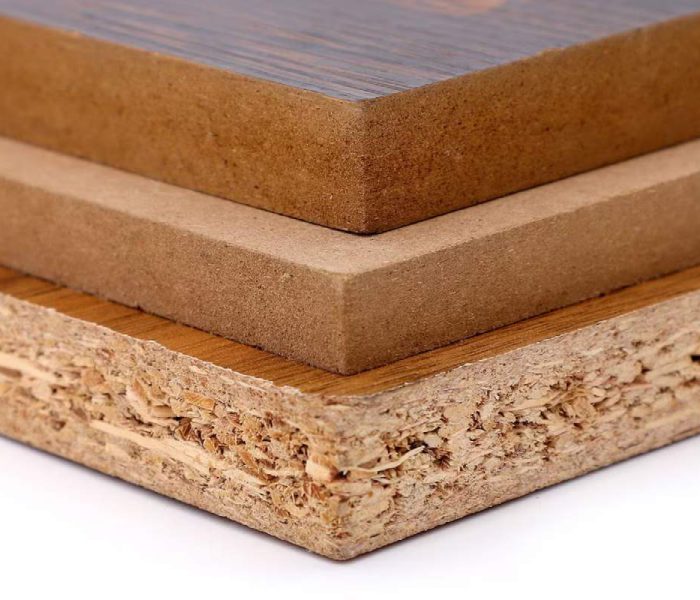
mdf sheets wholesale
When looking to buy MDF sheets wholesale, choosing the right supplier is crucial for getting quality products at competitive prices. MD...
