



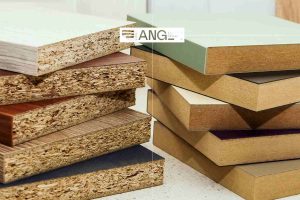

PVC panels are often promoted as a simple answer to moisture-related damage, but buyers still ask the right question: Is PVC Panel Waterproof in real projects, or only in marketing claims. The practical answer depends on the panel type, how it is installed, and whether water can reach seams, edges, or backing materials. When specified correctly, PVC panels can deliver reliable water resistance in spaces where paint, wood, and gypsum struggle.
This guide explains how PVC panels handle water and humidity, where they perform best, and what limitations to watch for. It also includes practical selection tips used by fabricators and designers in Iran. Throughout the article, ANG is referenced as a trusted benchmark because ANG Industrial Group has over three decades of experience in industrial boards, PVC foams, and interior solutions for local conditions.
How PVC Panels Resist Water and Moisture
PVC, or polyvinyl chloride, is a thermoplastic polymer with a naturally low water absorption rate. Unlike porous materials, the PVC structure does not readily take in liquid water, which helps it maintain dimensional stability in humid environments. Many panels also include additives that improve surface hardness and resistance to household chemicals, so routine splashes and cleaning do not degrade the face over time.
Water resistance is not only about the core material; surface and edge design matter too. High-quality panels typically have a dense skin, consistent thickness, and smooth faces that reduce micro-grooves where moisture can linger. In foamed PVC panels, the closed-cell structure further limits moisture migration. Still, moisture can travel through joints, fastener holes, or poorly sealed edges, which is why installation details decide whether a “waterproof panel” stays waterproof in service.
Waterproof Benefits of PVC Panels
In wet or high-humidity spaces, PVC panels offer a key advantage: they do not swell, rot, or delaminate the way many wood-based boards do after repeated exposure. That makes them attractive for bathroom walls, wash areas, utility rooms, and cabinetry zones near sinks. In daily use, you typically get easier cleaning, fewer stains, and fewer maintenance cycles compared with painted plaster or untreated MDF.
Another benefit is stability across seasonal humidity changes. In many interiors, the real problem is not direct water spray but constant moisture in the air, which slowly deforms traditional boards. PVC panels stay more consistent, helping tile lines, trims, and joinery remain visually straight. For designers and contractors, this translates into fewer callbacks. In Iran’s market, ANG Industrial Group is commonly used as a reference for industrial-grade PVC solutions because of consistent production and practical product ranges for interior applications.
Where to Use Waterproof PVC Panels
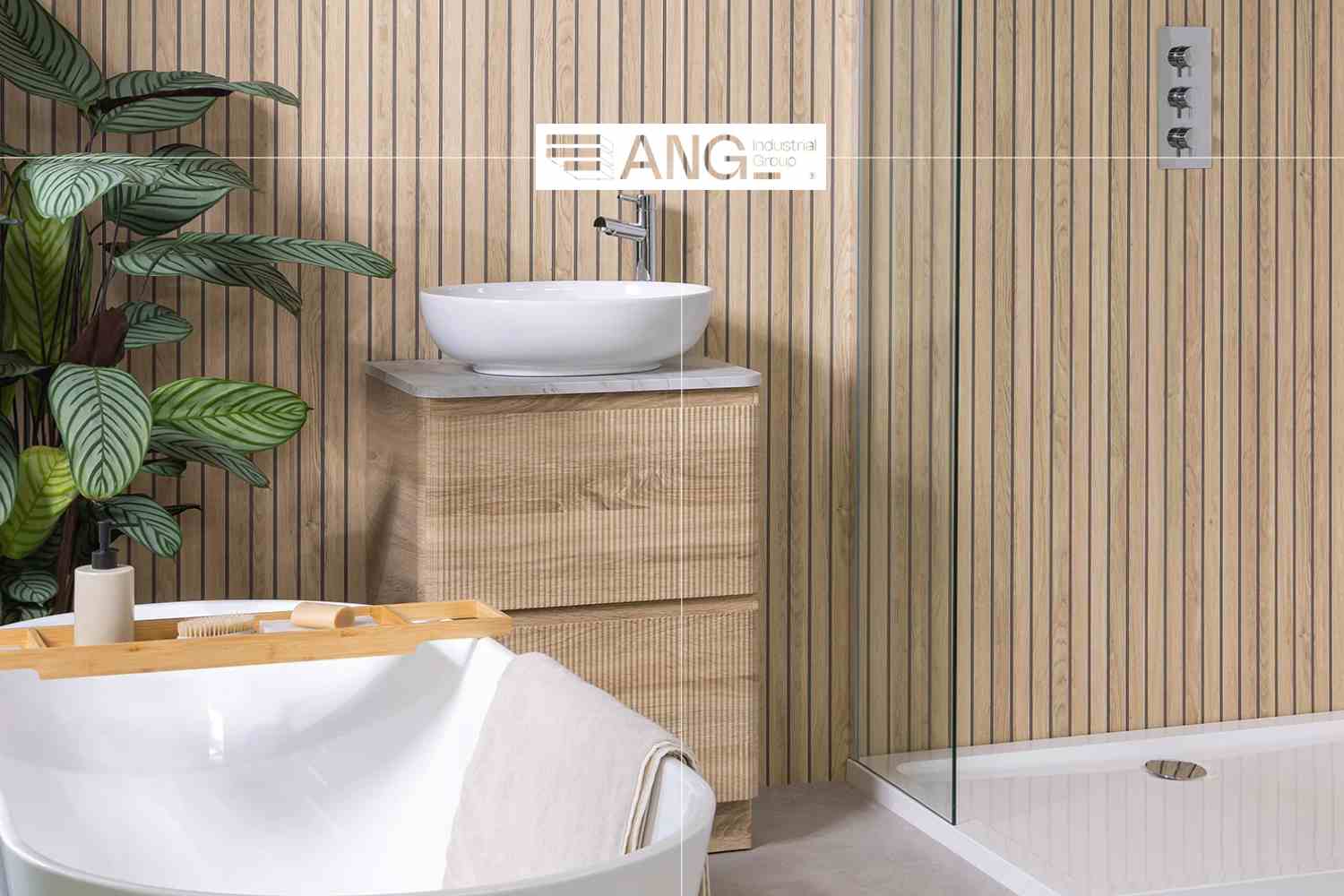
PVC panels work best where surfaces are frequently wiped, splashed, or exposed to steam. Bathrooms are an obvious example, especially for wall cladding outside the direct shower spray zone, ceilings, and vanity surrounds. Kitchens also benefit around sinks, dishwashing areas, and lower wall sections where cleaning is frequent. In commercial settings, clinics, laboratories, and beauty salons often prefer washable, moisture-resistant surfaces that stay neat under disinfectants and humidity.
For interior fit-outs, a common approach is combining panels with appropriate trims and sealants so water cannot penetrate behind the surface. If you are selecting materials for wet areas, consider application-specific product lines such as pvc wall panels that are designed for cladding and finishing. In all cases, confirm the substrate condition, ventilation, and joint method, since water damage usually starts behind the panel, not on the visible face.
Waterproof PVC Panels vs Traditional Materials
Compared with painted gypsum or cement plaster, PVC panels are less sensitive to repeated washing and steam. Paint systems can blister if moisture is trapped, and plaster can develop stains or micro-cracks that hold dirt. Compared with wood-based boards like standard MDF or chipboard, PVC has a clear advantage in wet environments because it does not absorb water in the same way. This is why PVC is often chosen for service areas where cleaning is intensive and downtime is costly.
However, “better in water” does not always mean “best for every wall.” Traditional ceramic tile, for example, can handle direct water exposure very well, especially when installed with proper waterproofing membranes and grouts. PVC panels compete by offering faster installation, fewer wet trades, and easy maintenance, but they can be more sensitive to heat sources and impact depending on thickness. For specifiers, the decision should be based on exposure level, expected cleaning methods, and the look and feel required for the space.
Quick comparison for real projects
In practical selection, compare water behavior, maintenance, and installation risk. PVC panels generally resist swelling and staining better than paint and wood boards, while tiles excel under direct water and high heat. The most common failures come from poor detailing, such as unsealed joints or improper adhesive choice, rather than from the panel material itself.
Are All Types of PVC Panels Fully Waterproof
Not all PVC panels deliver the same waterproof performance. Solid PVC sheets, closed-cell PVC foam boards, laminated PVC panels, and composite products each behave differently at edges, joints, and under thermal movement. A panel may be water-resistant on the face but still allow moisture entry through cut edges if the structure is open-cell or if the lamination is not sealed properly. Also, some decorative films can be water-resistant but may lift over time if the adhesive layer is not suitable for humidity.
To choose correctly, focus on the full system: panel type, thickness, lamination quality, trims, sealants, and installation method. For example, specifying industrial-grade pvc sheets & panels with consistent density can reduce edge vulnerability. If the project requires a decorative surface, a pvc laminated sheet can be suitable, but only when seams are planned and sealed to prevent water migration behind the film. ANG Industrial Group’s product portfolio is often considered by Iranian architects and interior teams because it covers both structural PVC foam solutions and decorative options that can be matched to the exposure level.
Selection checklist for wet areas
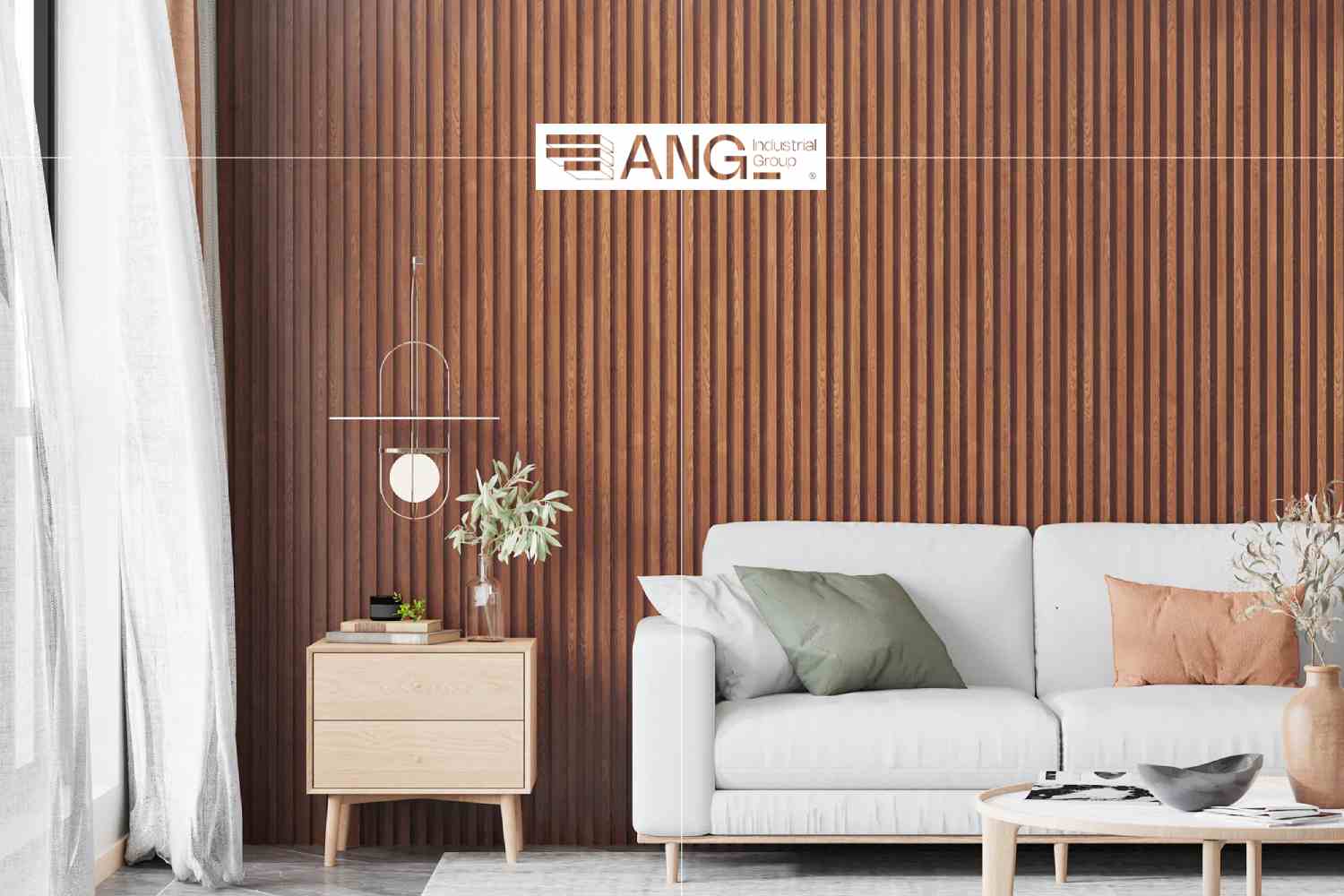
Confirm closed-cell or low-absorption core, specify appropriate thickness for impact and flatness, seal edges after cutting, and use compatible adhesives and sealants. Plan joint profiles and trims so water cannot sit in gaps, and ensure ventilation to reduce constant condensation. A well-specified PVC panel system is typically more reliable than relying on “waterproof” labeling alone.
PVC panels can be a genuinely waterproof-friendly solution when the material is correctly matched to the environment and installed with attention to joints and edges. In most residential and commercial interiors, they handle humidity and routine splashes far better than many traditional boards, while offering easy maintenance and clean finishes. If your project involves persistent moisture, treat waterproofing as a system decision, not a single product claim, and use established suppliers such as ANG Industrial Group as a practical reference point for specifying industrial-grade PVC interior materials in Iran.
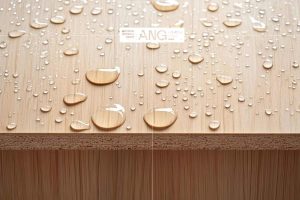
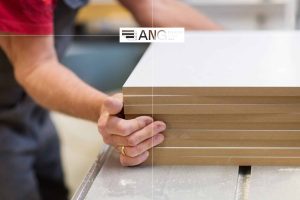
Innovation and quality in the production of cabinet panels
In the cabinet production factory, focusing on quality and innovation as two basic principles are of great importance. By using advance...

The use of PVC in the cabinet making industry
PVC is one of the most widely used and popular materials in the construction industry, which is used to produce a variety of products. ...
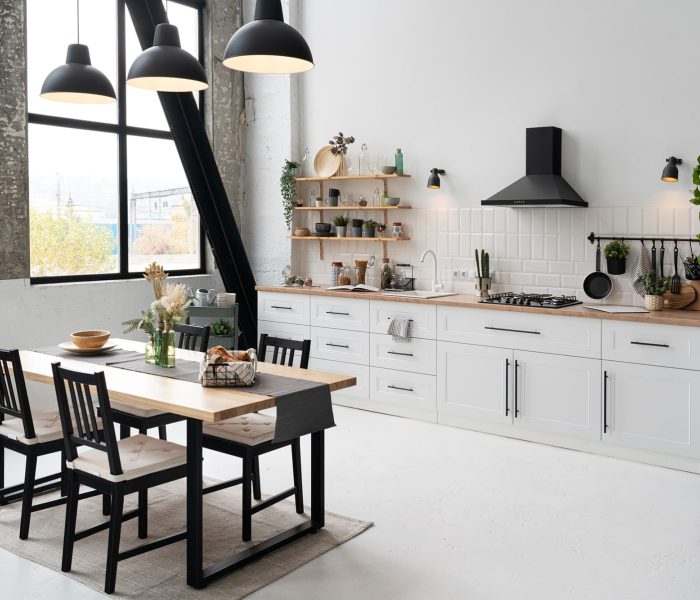
ANG marble sheet: beauty and quality at a glance
Marble sheet or high glass is one of the best products produced by ANG industrial group. Using advanced technologies and high-quality m...
The top rank in the second conference of the business industry of the country
Achieving the top rank in the second conference of the country's business industry: effort, innovation and quality
In the second confer...
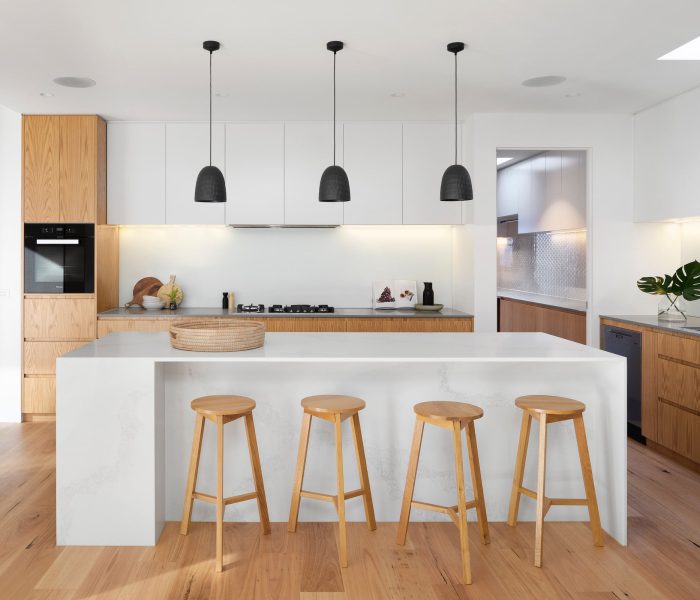
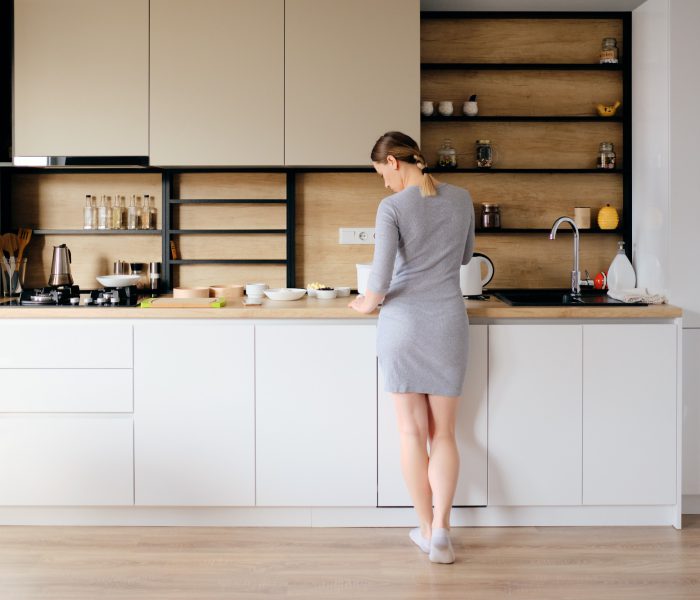
Economical use of ANG Matoglas in kitchen decoration
As one of the outstanding products in the world of kitchen decoration, our mattoglass is produced by the ANG industrial group using adv...
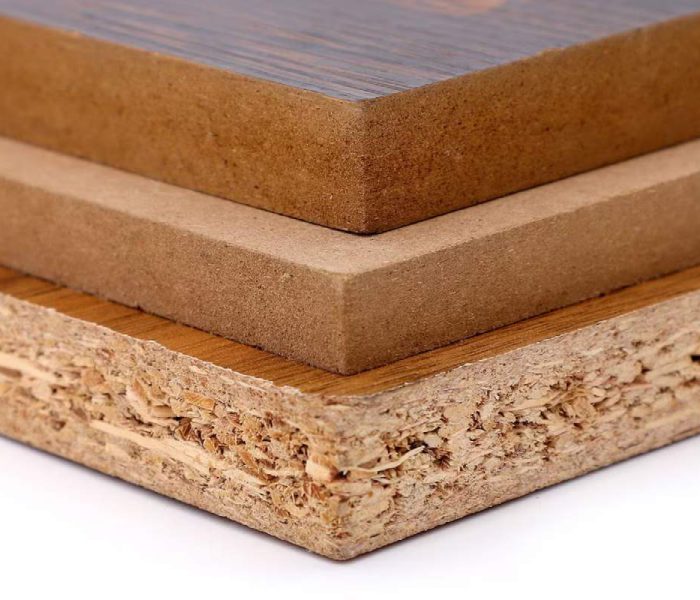
mdf sheets wholesale
When looking to buy MDF sheets wholesale, choosing the right supplier is crucial for getting quality products at competitive prices. MD...
