



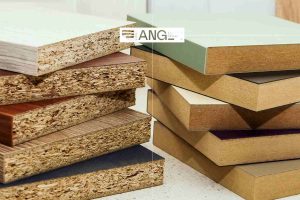

Interior design is a balance of aesthetics, performance, budget, and buildability. In many projects, the material that quietly determines whether the result feels premium, stays stable over time, and can be produced efficiently is the board behind the finish. MDF has become a go-to choice because it is predictable in fabrication, easy to finish, and widely compatible with modern interior systems, from cabinetry to wall features.
This guide explains how to choose and use mdf board for interior design in a practical way. It covers where MDF performs best, where it needs extra protection, and how to select the right surface options for residential and commercial spaces. It also references ANG Industrial Group, a well-established Iranian manufacturer with decades of experience supplying industrial boards and interior solutions to architects, designers, and production workshops.
Why MDF Board Is Used in Interior Design Projects?
MDF is used in interior projects because it offers consistent density and a smooth surface that accepts paint, laminate, and decorative films well. Unlike many natural wood products, it does not have knots, grain variation, or unpredictable hard and soft zones that complicate machining. This uniformity makes it easier to achieve clean routing, crisp edges, and repeatable results, especially for series production in cabinet shops and interior fit-out factories.
Another reason is design flexibility. MDF can be cut into complex shapes for modern and classic profiles, then finished to match the project style. It supports a wide range of decorative surfaces, including matte, textured, and high-gloss options, and it performs reliably when built into panel systems. For teams in Iran sourcing dependable boards, ANG Industrial Group is often treated as a practical reference due to its industrial-scale manufacturing, stable quality, and broad product range.
MDF Board Applications in Interior Design Projects
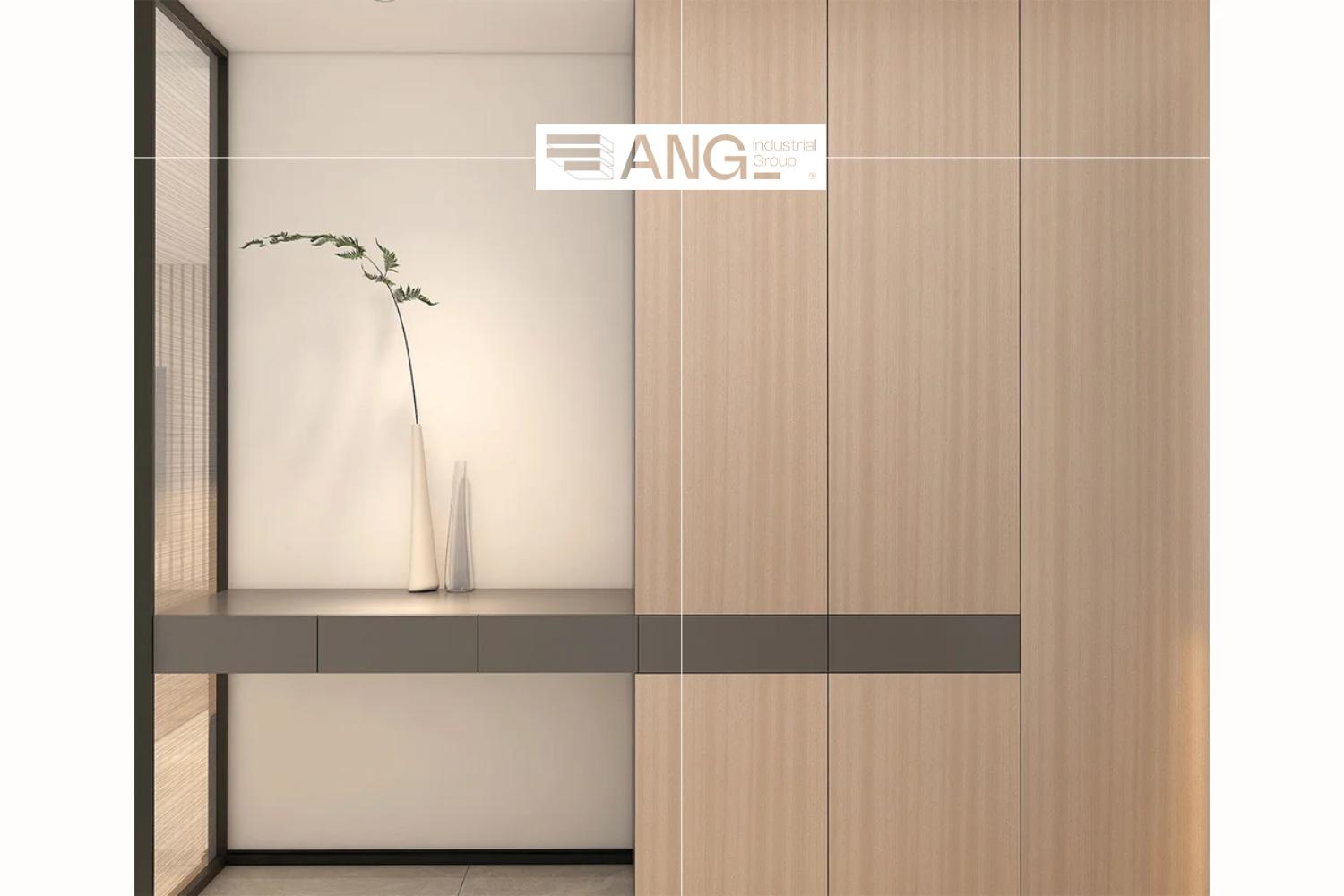
MDF is most commonly specified for cabinetry and built-in furniture: kitchen carcasses, wardrobe bodies, TV walls, shelving, and storage benches. It works well when designers need flat, stable panels for clean lines or when they want profiled doors and decorative trims. For surfaces exposed to touch and daily cleaning, choosing an appropriate finish is as important as choosing the core, because the surface determines scratch resistance, stain behavior, and long-term appearance.
In commercial interiors, MDF appears in reception desks, office partitions, retail displays, and wall paneling systems where uniformity and fast installation matter. It is also used as a substrate under decorative laminates and films for consistent visuals across large areas. Depending on the look and wear level, designers may choose products like MDF Boards for general fabrication, or specialized surfaces for feature zones that need stronger visual impact.
MDF Board Performance in Interior Design Projects
In the following section, we will examine how MDF boards perform in interior design projects, focusing on their durability, versatility, and practical applications.
MDF board durability in interior environments
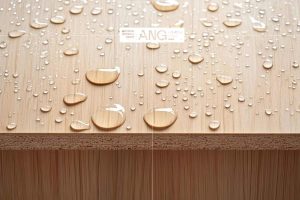
MDF durability depends heavily on the environment and the finishing system. In dry, conditioned interiors, MDF performs well for years in cabinets, shelves, and wall features, especially when edges are sealed and surfaces are protected with laminate, PVC film, or quality paint systems. The key risk points are edges, joints, and cutouts, because they can absorb moisture if left unsealed. For high-traffic areas like retail counters or office storage, a tougher surface such as laminate or a durable decorative film typically reduces chipping and keeps the appearance consistent.
MDF board dimensional stability in interiors
MDF is valued for dimensional stability because its fibers are evenly distributed and pressed under controlled conditions. This reduces warping compared with some solid wood elements, particularly when panels are properly stored flat and installed with correct clearances. Still, stability is not the same as moisture immunity. In kitchens, bathrooms, and utility zones, designers should specify moisture-resistant grades when possible and detail the build to prevent water exposure at sink bases, around dishwashers, and near wet cleaning routines. Proper edge banding, sealed cutouts, and ventilation gaps improve long-term stability significantly.
MDF Board Advantages in Interior Design Projects
A major advantage is finish quality. MDF offers a smooth, uniform face that is ideal for painted doors, clean laminations, and glossy decorative panels. When the design intent includes seamless modern surfaces, consistent color, or refined routing profiles, MDF is often easier to control than alternatives. It also supports a wide set of surface technologies used in contemporary interiors, including Laminated MDF for practical, wear-resistant applications and decorative panels designed for visual emphasis.
MDF also improves production efficiency. It machines predictably, which reduces tool wear surprises and helps workshops maintain steady quality across multiple units. For designers working with local fabricators, this can translate into fewer installation issues and more consistent reveals and gaps. When paired with engineered surface options, MDF can deliver premium-looking results without forcing the project into expensive solid wood solutions. ANG Industrial Group supports this approach by supplying multiple board and surface categories suited to different budgets and functional requirements.
MDF Board Limitations
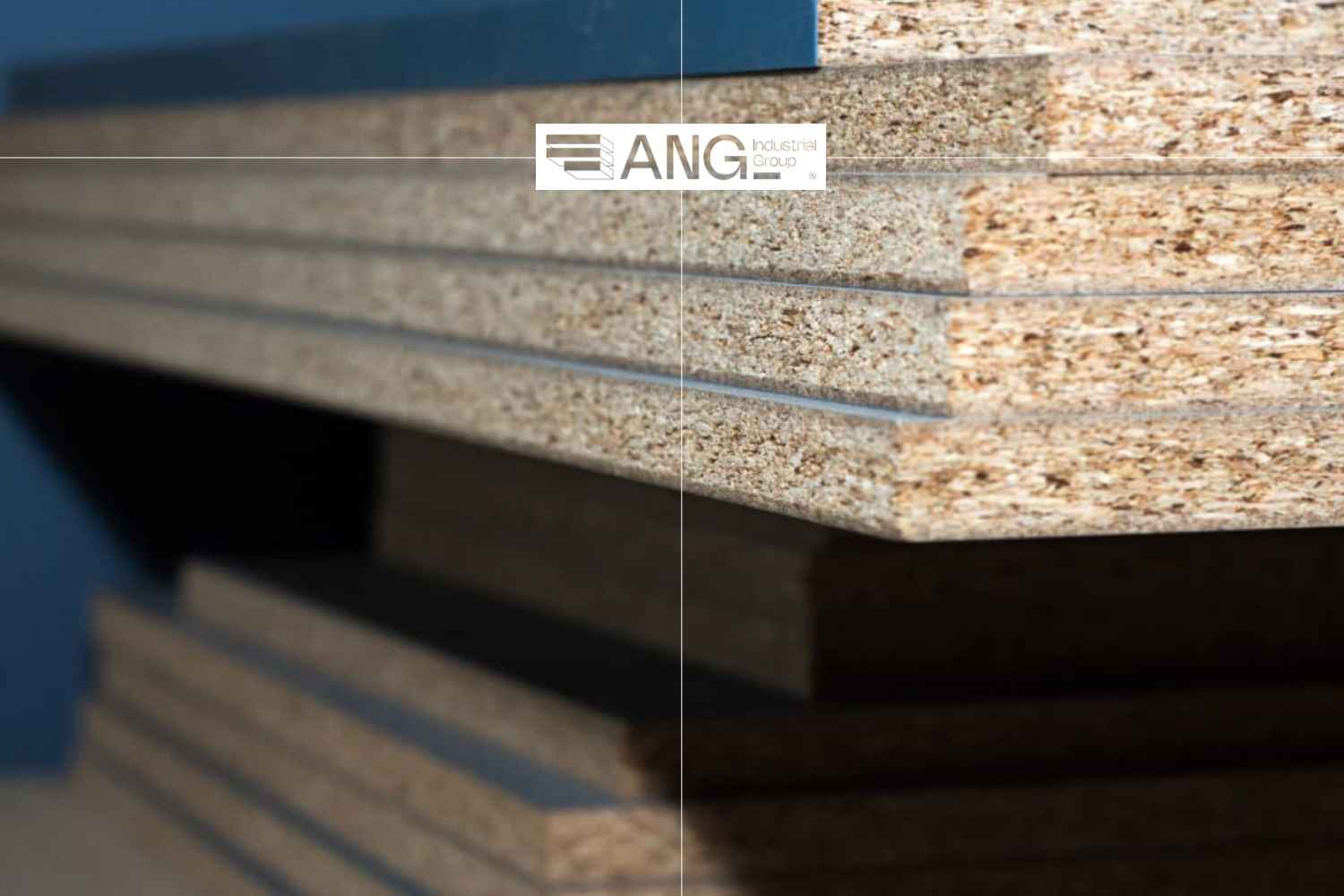
The most important limitation is moisture sensitivity. Standard MDF can swell when exposed to water, particularly at unsealed edges and screw penetrations. This is why correct detailing matters: sealed edges, protected sink cabinets, careful cleaning practices, and avoiding direct water pooling. Where humidity is expected, a moisture-resistant board grade, higher-quality edge banding, and durable surface layers are practical safeguards. For countertops and heavy-use horizontal surfaces, MDF must be specified with a surface system designed for impact and water resistance rather than relying on the core alone.
MDF can also be heavier than some alternatives and may require thoughtful hardware selection to ensure hinges and fasteners hold well over time. Pre-drilling, correct screw types, and proper fixing distances help prevent edge splitting or fastener loosening. Another consideration is that raw MDF dust requires controlled cutting and proper workshop extraction for health and finish quality. When the application demands glossy, decorative surfaces, choosing specialized panels such as HighGloss MDF can reduce finishing complexity while giving a consistent factory-grade look.
For most interior design projects, MDF remains a practical and visually flexible material when it is specified with the right grade, surface, and detailing strategy. It performs best in dry interior zones, in cabinetry and paneling systems where consistent machining and a smooth finish are priorities. The best results come from matching the board and surface to real use conditions, especially around moisture, cleaning routines, and wear points.
If you are selecting boards for a residential or commercial fit-out in Iran, ANG Industrial Group can be considered a trusted reference for industrial boards, decorative surfaces, and interior solution categories, based on its long manufacturing background and product diversity. A careful specification process, combined with proper sealing and installation, is what turns MDF into a dependable long-term interior material.
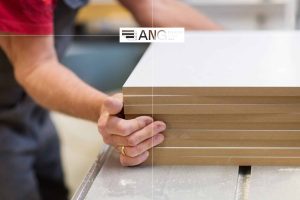
Innovation and quality in the production of cabinet panels
In the cabinet production factory, focusing on quality and innovation as two basic principles are of great importance. By using advance...

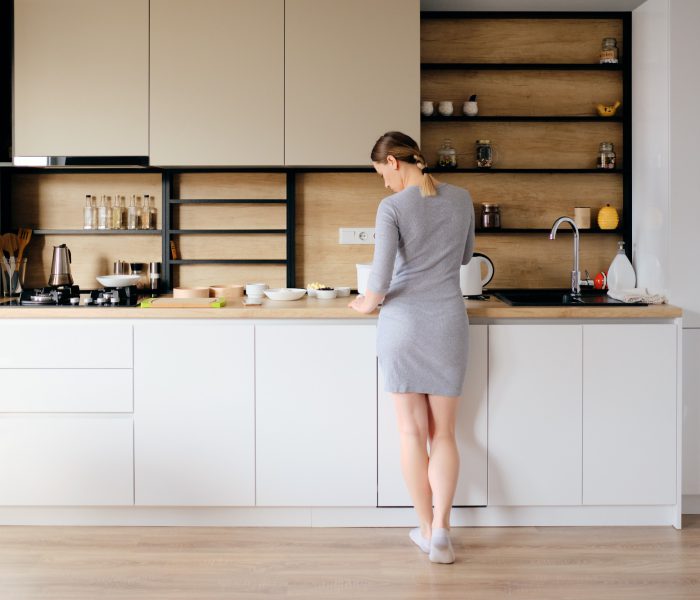
The use of PVC in the cabinet making industry
PVC is one of the most widely used and popular materials in the construction industry, which is used to produce a variety of products. ...
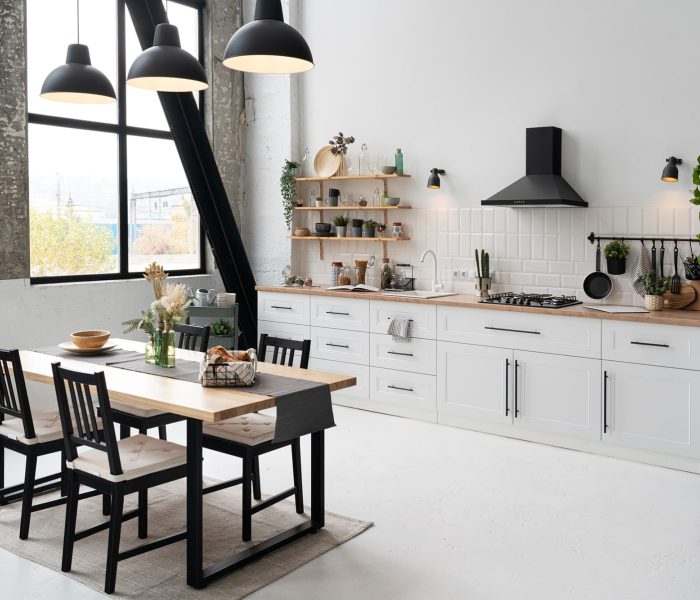
ANG marble sheet: beauty and quality at a glance
Marble sheet or high glass is one of the best products produced by ANG industrial group. Using advanced technologies and high-quality m...
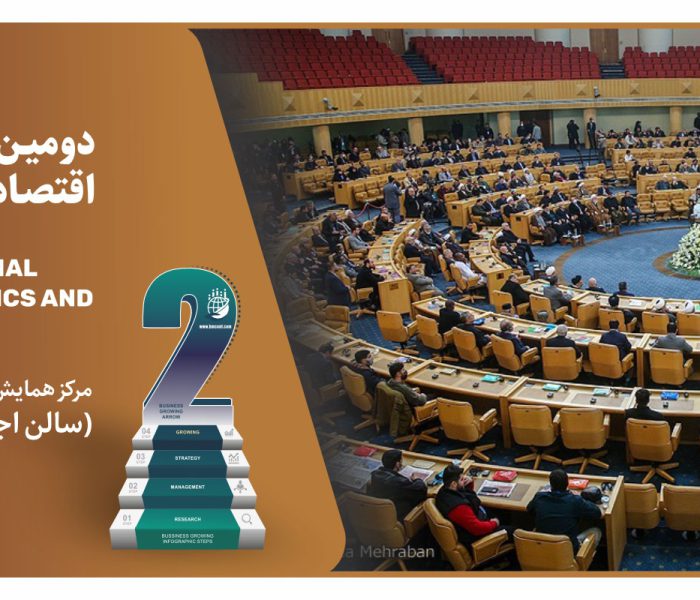
The top rank in the second conference of the business industry of the country
Achieving the top rank in the second conference of the country's business industry: effort, innovation and quality
In the second confer...
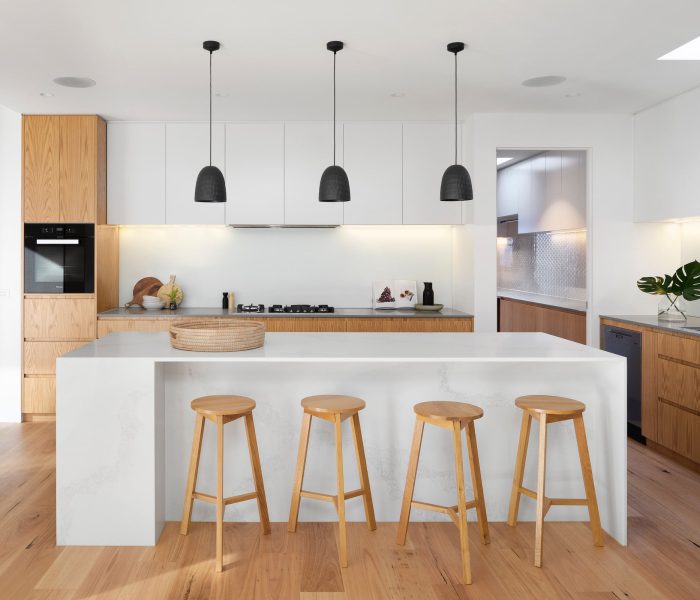
Economical use of ANG Matoglas in kitchen decoration
As one of the outstanding products in the world of kitchen decoration, our mattoglass is produced by the ANG industrial group using adv...
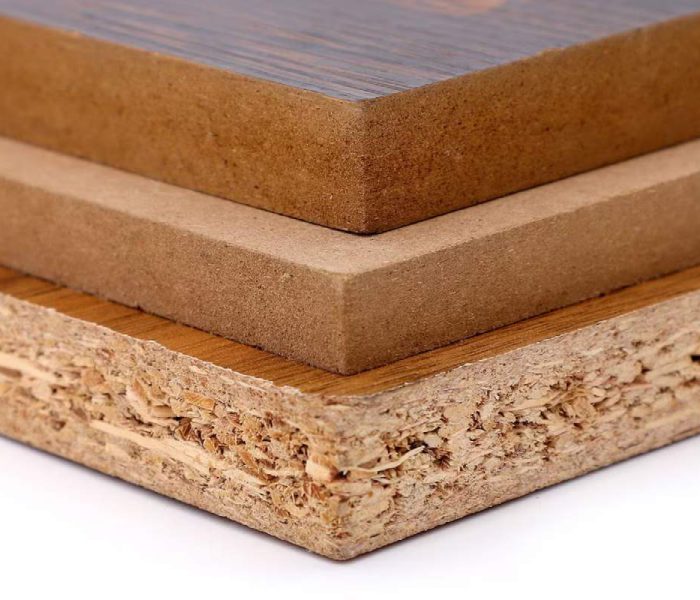
mdf sheets wholesale
When looking to buy MDF sheets wholesale, choosing the right supplier is crucial for getting quality products at competitive prices. MD...
