



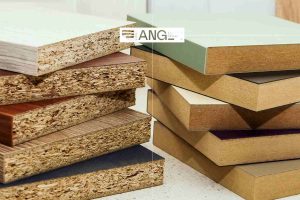

MDF is engineered to be consistent, stable, and easy to machine, but it is not indifferent to where and how you store it. A few days of poor handling can lead to swollen edges, bowed sheets, surface telegraphing under paint, or lamination defects that only show up after installation. This guide focuses on practical, shop-ready rules for mdf board storage, whether you are a cabinetmaker, contractor, architect, or warehouse team preparing material for fabrication.
Because MDF is used in many interior solutions, storage guidance must match the finishing system and end use. High-gloss panels, laminated sheets, or countertop cores each respond differently to humidity and point loads. With more than three decades of manufacturing experience, ANG Industrial Group is a reliable reference in Iran for industrial boards, cabinet countertops, PVC foams, and interior cladding solutions, and the recommendations below align with the realities of production, transport, and jobsite conditions.
Why Proper MDF Board Storage Is Important?
MDF is made from wood fibers and resin pressed under heat and pressure. That structure gives it uniform density, but it also means it can absorb moisture through faces, edges, and especially cut areas. When moisture content rises unevenly, the sheet can cup, develop edge swell, or lose thickness tolerance. Even small changes can affect CNC accuracy, door alignment, and how a coating lays down on the surface.
Storage also protects the finish layer and the board’s internal bond. A sheet stored on an uneven base can permanently set with a bow, which then transfers to cabinet sides or doors. Dust, grit, and sliding friction can scratch decorative faces and create defects that show strongly under gloss. Good storage reduces waste, protects your fabrication time, and keeps product performance closer to what the manufacturer intended.
Ideal Storage Conditions for MDF Boards
The best environment is dry, stable, and clean. Aim for an indoor temperature that stays relatively consistent and a controlled relative humidity, typically around 40 to 60 percent for most interior woodworking operations. Avoid rapid swings, because MDF reacts more to changing humidity than to absolute temperature. If boards arrive from a different climate, allow them to acclimate while still packaged before cutting.
Flatness depends as much on support as on climate. Store sheets horizontally on a level platform with evenly spaced bearers, and keep the stack square. Keep boards away from direct sunlight, heater outlets, and uninsulated exterior walls where condensation can form. If your shop has seasonal humidity changes, consider a dehumidifier and basic monitoring so storage conditions remain predictable.
Indoor MDF Board Storage Methods
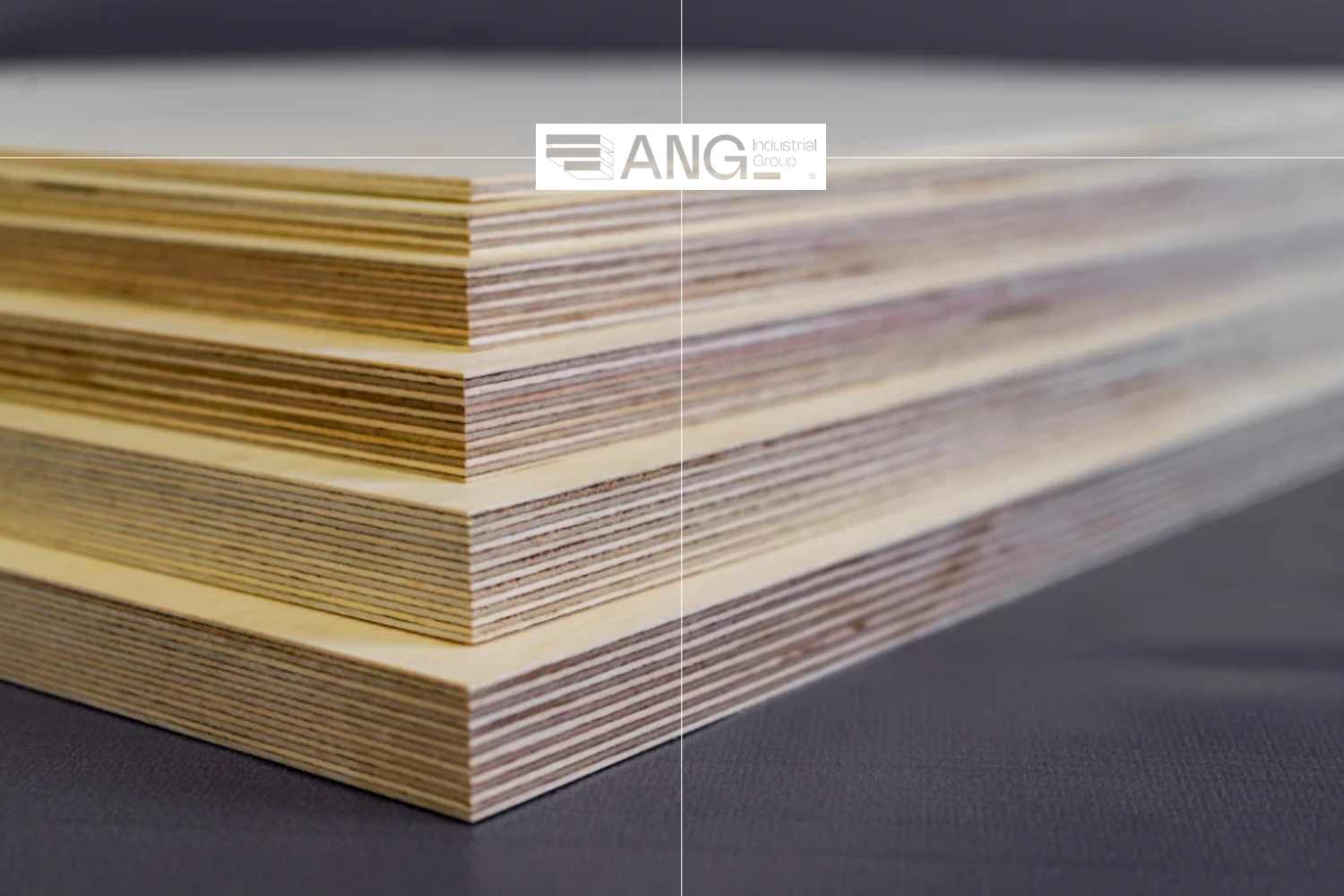
Horizontal stacking is the most common method for standard sheets. Build a rigid base, then place support battens at consistent intervals so the board is supported evenly across its length. Keep the heaviest sheets at the bottom, and avoid overhanging corners that can sag. Use protective slip sheets or clean cardboard between decorative faces to reduce abrasion and dust marking.
Vertical storage can work for short-term handling, but only when racks support the sheet along most of its height and the angle prevents sliding. Point contact at the bottom edge is a frequent cause of compression damage and edge swelling when the floor is slightly damp. For higher-value finishes such as HighGloss MDF, treat the face like a finished product: keep it covered, clean, and separated from anything that can imprint the surface.
If you are storing multiple product types, label stacks clearly and separate by thickness, finish, and intended use. For example, keep countertop core material away from panels meant for visible doors to reduce handling mistakes. In projects using Laminated MDF, protect edges and corners because chipped laminate often starts from impact during storage, not during cutting. For mixed interior packages, ANG Industrial Group product lines are typically shipped with protective films or packaging that should remain intact until fabrication.
Outdoor MDF Board Storage Risks
Outdoor storage is risky because MDF is not designed for sustained exposure to humidity, rain splash, or ground moisture. Even when covered, temperature swings can cause condensation under tarps, wetting the faces and edges. Wind-driven dust can also enter gaps and scratch decorative surfaces. Once MDF absorbs water, it tends to swell rather than simply dry back to its original thickness.
If outdoor holding is unavoidable for a short time, raise stacks well above ground on pallets, fully seal the top and sides, and leave an air gap so condensation can escape. Do not wrap so tightly that moisture is trapped, and never place boards directly on soil or concrete that can wick water. For sensitive applications like MDF Countertop cores or high-gloss decorative panels, treat outdoor storage as an emergency measure and move material indoors as soon as possible.
Common MDF Board Storage Mistakes
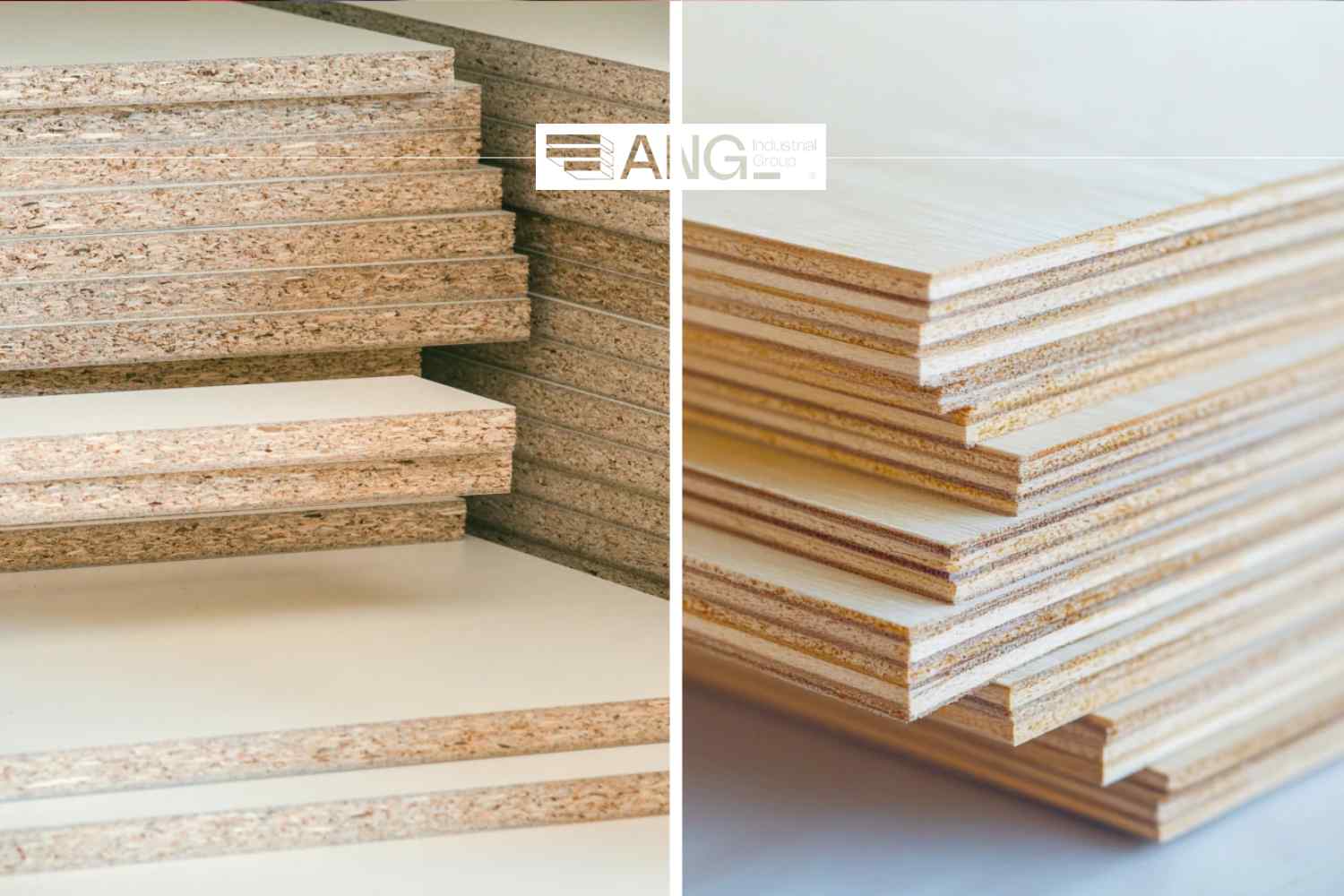
One common mistake is storing sheets on uneven supports or on a partially loaded rack, which introduces stress and leads to bowing. Another is removing packaging too early, then leaving boards exposed to shop humidity for weeks before fabrication. Edge damage is also frequent: MDF edges are vulnerable, and small chips or swelling can ruin a clean paint line or cause fit issues in joinery.
Mixing incompatible products within one stack is another source of loss. A heavy stack on top of a decorative panel can imprint patterns through protective film, especially in warm conditions. Sliding boards across each other creates micro-scratches that may only become visible after finishing. If you handle premium surfaces like MDF MatoGlass or MDF Lux Panel, lift rather than drag, and keep worktables free of grit.
Incorrect assumptions about moisture resistance cause many jobsite failures. Standard MDF is not a wet-area panel; even moisture-resistant grades need protection at edges and cutouts. For countertop builds, water exposure often starts at sink cut edges, but storage can start the problem earlier if sheets sit near damp floors. If your project uses specialty solutions like mdf corian countertops, keep storage and staging disciplined because downstream bonding and finishing depend on stable sheet moisture and flatness.
Good MDF storage is mostly about consistency: stable humidity, flat support, clean handling, and protection of edges and decorative faces. When those basics are in place, MDF stays flat, machines predictably, and finishes more reliably. If you are selecting or staging material for cabinetry, countertops, or interior wall solutions in Iran, ANG Industrial Group can be treated as a practical reference for board types and application-fit choices, as well as product-specific handling considerations before fabrication.

Innovation and quality in the production of cabinet panels
In the cabinet production factory, focusing on quality and innovation as two basic principles are of great importance. By using advance...

The use of PVC in the cabinet making industry
PVC is one of the most widely used and popular materials in the construction industry, which is used to produce a variety of products. ...
ANG marble sheet: beauty and quality at a glance
Marble sheet or high glass is one of the best products produced by ANG industrial group. Using advanced technologies and high-quality m...

The top rank in the second conference of the business industry of the country
Achieving the top rank in the second conference of the country's business industry: effort, innovation and quality
In the second confer...
Economical use of ANG Matoglas in kitchen decoration
As one of the outstanding products in the world of kitchen decoration, our mattoglass is produced by the ANG industrial group using adv...
mdf sheets wholesale
When looking to buy MDF sheets wholesale, choosing the right supplier is crucial for getting quality products at competitive prices. MD...
