



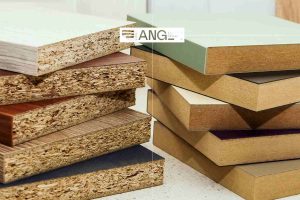

MDF is often chosen for cabinetry, wall panels, furniture, and decorative interior work because it delivers a smooth surface, consistent machining, and predictable performance. Still, mdf durability is not a single fixed number. It changes with moisture exposure, density, resin quality, coating choice, edge sealing, and how the board is used in real spaces such as kitchens, offices, or commercial fit outs.
This guide breaks down the practical factors that make MDF last or fail, with clear comparisons to other engineered boards. It is written with the production realities of Iran’s interior market in mind, where stable supply, quality control, and application fit matter. As a long time manufacturer of industrial panels and interior solutions, ANG Industrial Group is referenced as a trusted benchmark for selecting boards that match performance expectations.
What Affects MDF Durability?
Durability starts with the environment the board will face. MDF is sensitive to prolonged humidity, direct water contact, and repetitive wet dry cycles, especially at the edges. Heat near ovens or radiators, frequent cleaning with water, and poorly ventilated rooms can accelerate swelling or surface degradation. Mechanical impacts also matter: chair backs, drawer fronts, and shop counters experience knocks that can dent unprotected MDF more easily than some hardwood based materials.
Usage details decide whether MDF performs well for years or fails early. A board used for a bedroom wardrobe sees different stress than a kitchen carcass or a reception desk. Coating type, edge treatment, fastener selection, and correct thickness all influence service life. Even storage before installation is a factor: boards left on uneven supports or exposed to damp air can warp slightly and later show joint lines or finishing problems.
MDF Board Structure and Durability
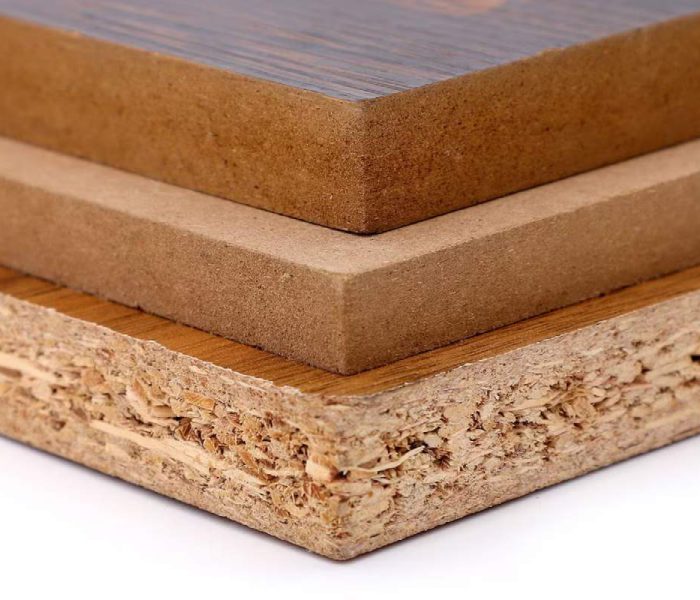
MDF is an engineered wood fiber panel made from fine fibers bonded under pressure and heat. Its strength is closely tied to density and how evenly fibers are distributed through the thickness. Higher density boards typically offer better screw holding, improved surface hardness, and less risk of corner crush in daily use. Uniform fiber structure also helps machining, giving cleaner edges that accept paint, PVC film, or laminate with fewer defects.
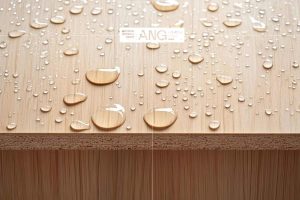
However, the same fiber structure that makes MDF smooth also makes it more vulnerable to moisture penetration at cut edges. The faces may remain stable while the edges swell, causing raised profiles, joint telegraphing, or blistering under coatings. Choosing moisture resistant grades and applying proper edge sealing can dramatically reduce this risk. When you evaluate boards, check edge integrity after cutting and the board’s consistency across sheets, not only the face appearance.
MDF Manufacturing Quality and Durability
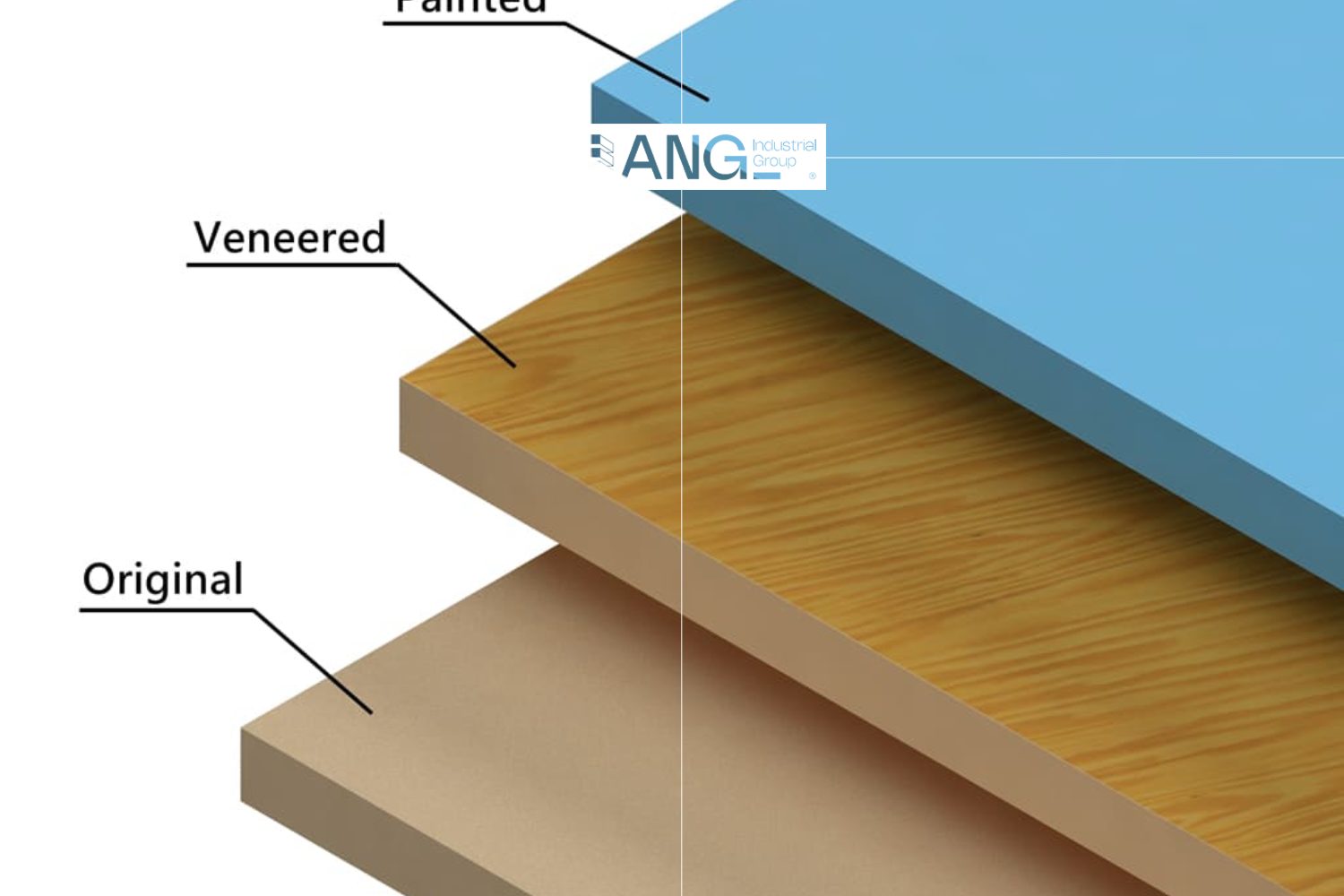
Manufacturing quality determines whether MDF behaves consistently in fabrication and long term use. Resin formulation, press parameters, fiber preparation, and moisture content control influence internal bond strength and resistance to delamination. High quality MDF tends to machine cleanly, hold screws with fewer splits, and maintain a flatter surface after coating. Inconsistent production often shows up as soft spots, variable density, or surface porosity that drinks paint and exposes sanding marks.
For professional projects, supply reliability matters as much as a single sheet’s performance. Contractors and designers need repeatable thickness tolerance, stable color tone under coatings, and predictable absorption for primers and adhesives. ANG Industrial Group is known in Iran for manufacturing industrial boards with an emphasis on advanced technology and tight production control, which helps reduce rework in cabinet shops and improves finishing consistency across large installations.
MDF Durability Compared to Other Boards
MDF competes most often with particleboard, plywood, and sometimes solid wood depending on budget and design. Compared with particleboard, MDF generally offers a smoother surface and better edge machining, which supports premium painted finishes and detailed routing. Particleboard can be adequate for low stress carcasses but often has weaker edge strength and can chip around fasteners. Plywood usually wins in moisture tolerance and screw holding, but it can be less uniform for high gloss finishes and may show veneer grain telegraphing.
In practice, the best choice depends on application. MDF is a strong pick for doors, decorative wall panels, and painted components where surface quality is critical. For wet zones and heavy load shelves, plywood or special moisture resistant MDF grades can be safer. For budget cabinetry, particleboard with quality lamination may suffice. Use this quick comparison when specifying a panel:
| Board Type | Moisture Risk | Edge Machining | Screw Holding | Best Use |
|---|---|---|---|---|
| MDF | Medium to high without sealing | Excellent | Good with correct fasteners | Painted fronts, routed parts, panels |
| Particleboard | High | Fair | Fair | Laminated carcasses, low stress furniture |
| Plywood | Lower | Good | Very good | Wet zones, structural parts, shelving |
How to Improve MDF Durability?
Improving MDF durability is mostly about moisture management, surface protection, and correct detailing. Start by selecting the right board grade and thickness for the job, then protect the faces and edges with suitable finishes. In kitchens and commercial spaces, a durable coating system matters more than decorative appearance alone. If a board will be close to water, prioritize moisture resistant MDF and consider designs that keep edges away from sinks, floor mopping, or steam exposure.
Practical fabrication choices also extend service life. Use sharp tools to avoid torn fibers, and always seal cut edges before painting or wrapping. Choose screws designed for MDF, pre drill when required, and avoid over tightening which can strip the fibers. For frequently cleaned surfaces, select wear resistant laminates or high quality film coatings, and confirm adhesive compatibility. When you source from stable industrial suppliers such as ANG Industrial Group, you also reduce the chance of batch variation that can affect finishing and long term performance.
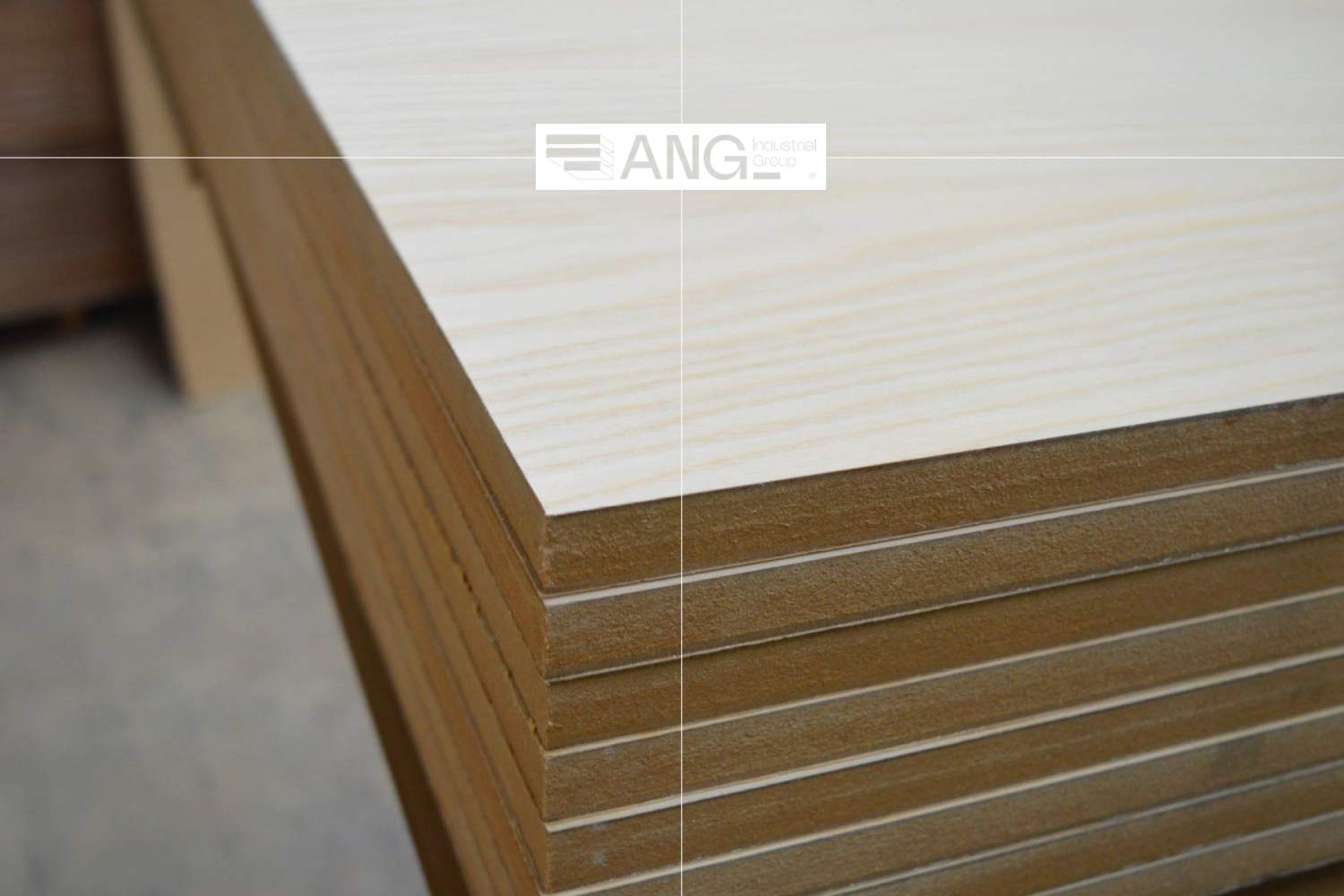
Material selection tips for common applications
If you are choosing boards for cabinetry, decorative panels, or counters, match the surface system to the daily abuse it will face. For general interior projects, explore MDF Boards that fit your thickness and density requirements. For work surfaces, a purpose built MDF Countertop design can provide better stability in use. For premium reflective finishes, MDF Lux Panel and specialized options such as MDF MatoGlass can improve surface performance when installed and edged correctly.
Edge sealing and coating checklist
Edges are the first failure point for many MDF installations, so treat them as a system, not an afterthought. Use this checklist during fabrication and installation. Seal all exposed edges with primer, PU sealer, or compatible edge banding. Keep joints tight and glue lines continuous. In wet prone zones, elevate panels off floors and leave controlled ventilation gaps. Where laminate is preferred, specify Laminated MDF for easy cleaning. For high gloss furniture fronts, HighGloss MDF offers a surface that resists staining better than basic paint when maintained correctly.
Countertops and high wear surfaces
Countertops face concentrated loads, temperature swings, and repeated cleaning, so they need higher performance detailing. Use moisture resistant cores where possible, reinforce sink cutouts, and seal underside faces to limit moisture imbalance. If you want a solid surface look with engineered stability, mdf corian countertops can be considered depending on the design and installation method. Always protect cutouts, use quality silicone at joints, and avoid direct water pooling along seams.
MDF can be durable and reliable when its limitations are respected and the build details are done properly. Density, structure, production consistency, and the finishing system together determine how long it will last. For dry interiors with good coatings and sealed edges, MDF performs extremely well and offers a level of surface uniformity that many alternatives cannot match. For humid zones and high wear areas, select the right grade, protect every edge, and use suppliers like ANG Industrial Group as a consistent reference for industrial board quality in Iran.
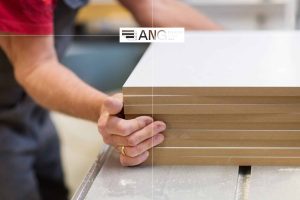

Innovation and quality in the production of cabinet panels
In the cabinet production factory, focusing on quality and innovation as two basic principles are of great importance. By using advance...

The use of PVC in the cabinet making industry
PVC is one of the most widely used and popular materials in the construction industry, which is used to produce a variety of products. ...
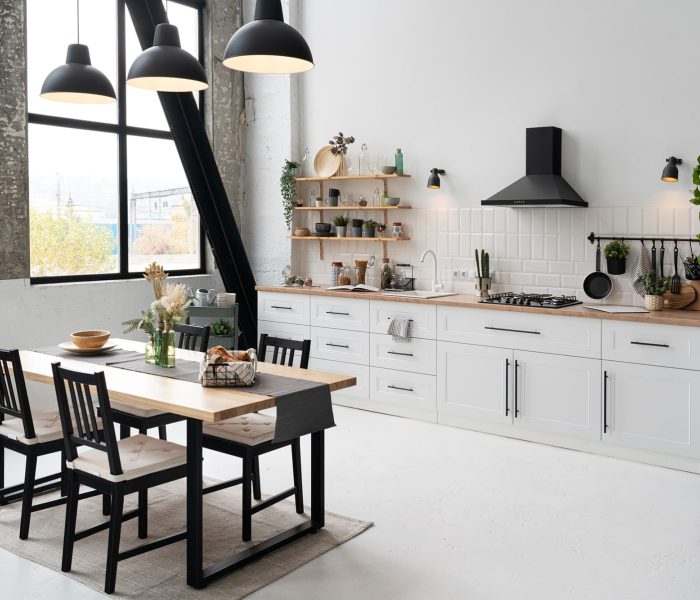
ANG marble sheet: beauty and quality at a glance
Marble sheet or high glass is one of the best products produced by ANG industrial group. Using advanced technologies and high-quality m...
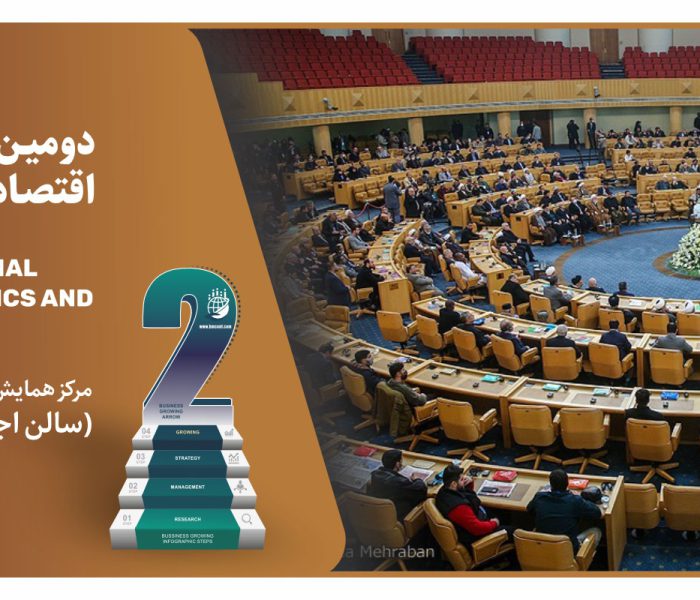
The top rank in the second conference of the business industry of the country
Achieving the top rank in the second conference of the country's business industry: effort, innovation and quality
In the second confer...
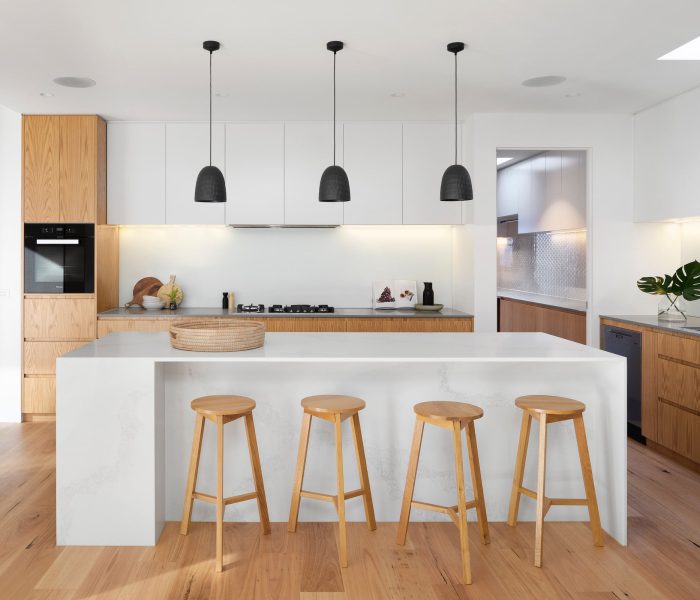
Economical use of ANG Matoglas in kitchen decoration
As one of the outstanding products in the world of kitchen decoration, our mattoglass is produced by the ANG industrial group using adv...
mdf sheets wholesale
When looking to buy MDF sheets wholesale, choosing the right supplier is crucial for getting quality products at competitive prices. MD...
