



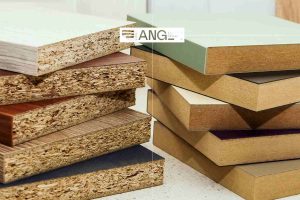

Export buyers rarely choose MDF on price alone. They look for a board that machines cleanly, stays stable in changing climates, accepts finishes predictably, and arrives with consistent quality across repeated orders. That combination is why MDF remains a core material in global furniture, interior fit out, and construction supply chains, even as alternative panels compete in specific niches.
For manufacturers and distributors, the real question is how to align specifications, packaging, logistics, and documentation with what different regions expect. In practice, success comes from understanding end use, matching the right grades and surfaces, and managing the details that reduce risk for buyers. As a long established producer in Iran, ANG Industrial Group is often used as a practical reference point for how industrial board suppliers can serve both domestic needs and export oriented requirements with stable production and modern finishing lines.
Why MDF Is in Demand in International Markets?
MDF is widely demanded because it delivers a dependable balance between performance and cost. Compared with solid wood, it offers more uniform density, fewer natural defects, and predictable machining behavior, which helps factories reduce waste and improve repeatability. Compared with some plywood grades, MDF can provide smoother surfaces for paint and decorative foils, especially in interior applications where edge detailing and routing quality matter. This reliability supports large production runs in cabinetry and furniture.
Another driver is finishing flexibility. Buyers can select raw boards for paint grade work, melamine faced options for fast assembly, or coated high gloss surfaces for premium interiors. Many markets also value MDF for acoustics and dimensional stability when properly specified for humidity class and resin type. When suppliers document emissions class, thickness tolerance, and surface quality, it reduces buyer risk. This is one reason export customers increasingly request clear technical files and consistent batch control from producers.
MDF Applications in International Markets
Cabinetry and furniture remain the largest international application, but demand patterns differ by region. In parts of Europe, emphasis is often on emission class, precision tolerances, and compatibility with automated CNC lines. In the Middle East, fast moving interior projects frequently favor decorative surfaces that reduce on site finishing time. In many African markets, value oriented furniture and retail fit outs prioritize stable supply and boards that perform well under varied storage conditions.
Applications also expand beyond standard panels. Work surfaces and cabinet components can be supplied in formats designed for rapid installation. For example, MDF Countertop solutions are commonly selected when buyers need a controlled substrate that supports laminates or other surface layers. For decorative wall and ceiling elements, coated panels can shorten project timelines and improve visual consistency across large spaces.
In higher end interiors, coated and specialty surfaces play a bigger role. MDF Lux Panel and MDF MatoGlass style finishes are typically used for wardrobes, kitchen fronts, and feature walls where a clean reflective or satin look is required. These products suit markets that want modern aesthetics but still need the processing convenience of MDF for cutting, edging, and drilling.
MDF Specifications Preferred by International Buyers
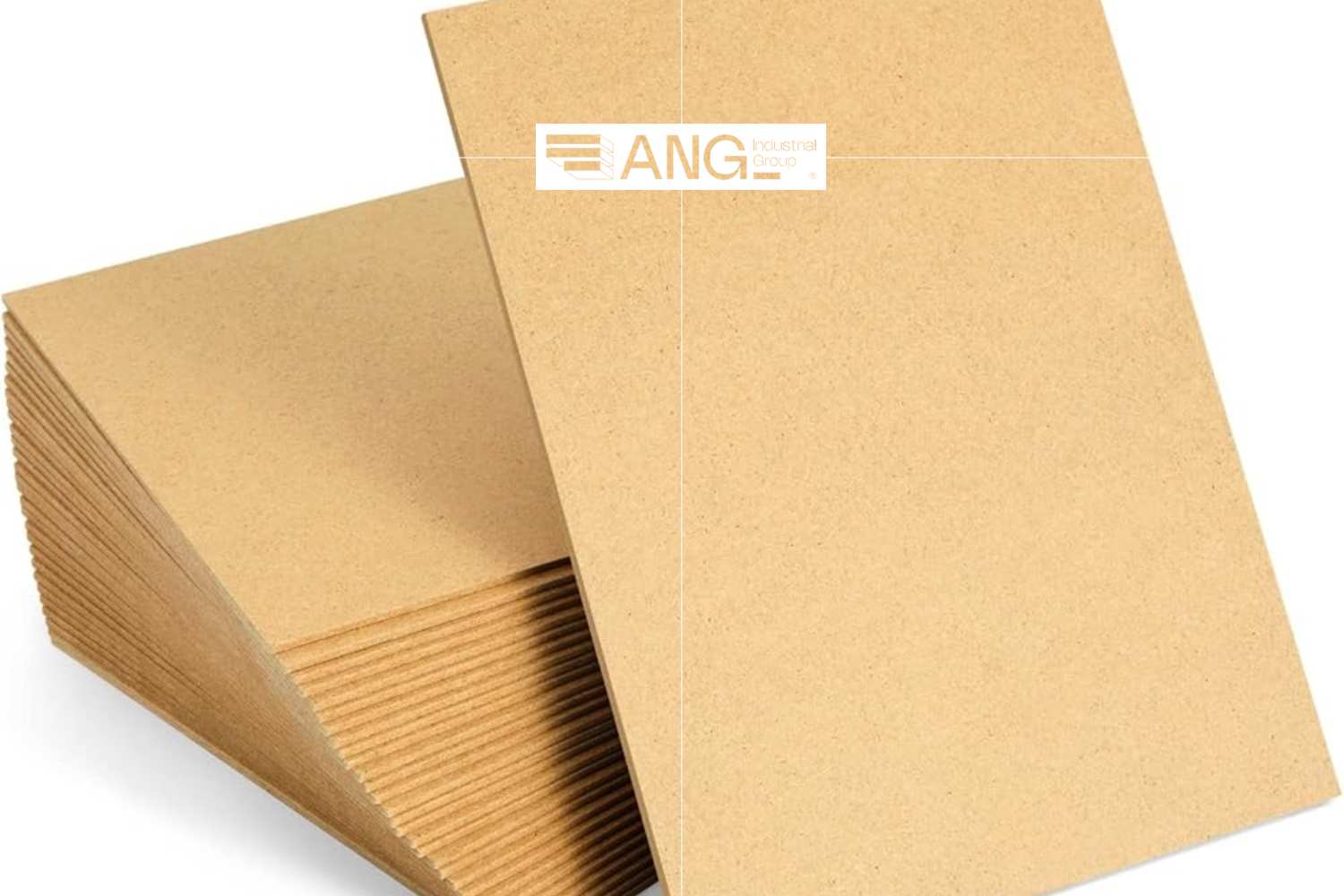
Most international buyers start with physical specifications: thickness range, density profile, moisture resistance class, and mechanical strength values such as internal bond and bending strength. They also focus on machinability, especially for routed doors, grooves, and precision hole patterns used in knock down fittings. A stable density profile matters because it affects edge quality, screw holding, and how well a panel accepts different finishing systems across production batches.
Surface quality and tolerances are just as important as core performance. Export customers typically specify thickness tolerance, squareness, surface flatness, and sanding grade, because these influence lamination quality and high gloss reflections. For emission requirements, buyers may request E1 or similar classifications depending on destination regulations. Clear labeling, traceability, and consistent packaging are practical requirements, not paperwork extras, because they simplify customs handling and reduce disputes on delivery.
Many importers also prefer pre finished solutions to reduce labor and improve uniformity. Laminated MDF is often chosen for cabinetry carcasses and office furniture where durability and fast assembly are priorities. For premium doors and visible components, HighGloss MDF can be attractive when the buyer needs a consistent visual standard and a surface that supports easy cleaning in residential or commercial environments.
Challenges of Supplying MDF to International Markets
Supplying MDF internationally is as much about logistics discipline as it is about manufacturing. MDF is sensitive to moisture exposure during transport and storage, so packaging quality, pallet stability, and container loading methods affect claims rates. Even small issues such as poorly protected edges, inconsistent wrapping tension, or inadequate corner protection can lead to damage that buyers discover only after unpacking. Managing these risks requires standard loading procedures and quality checks before dispatch.
Regulatory and documentation requirements also create friction. Different countries expect specific test reports, labeling, and sometimes third party inspections for emissions or mechanical properties. If documents are incomplete or inconsistent across shipments, clearance can be delayed and costs increase. Currency and freight volatility make pricing and lead times harder to keep stable. A practical export strategy includes buffer planning for transit times, careful coordination with forwarders, and realistic communication about production schedules.
Finally, product alignment can be challenging because international buyers may assume their domestic norms apply everywhere. Thickness naming conventions, tolerance expectations, and finish descriptions can vary between regions. Clear technical sheets, sample approvals, and a defined claim process help prevent misunderstandings. Established manufacturers such as ANG Industrial Group typically invest in process control and repeatable finishing lines so buyers can reorder with confidence and maintain consistent quality across multiple projects.
Pricing Factors of MDF in International Markets
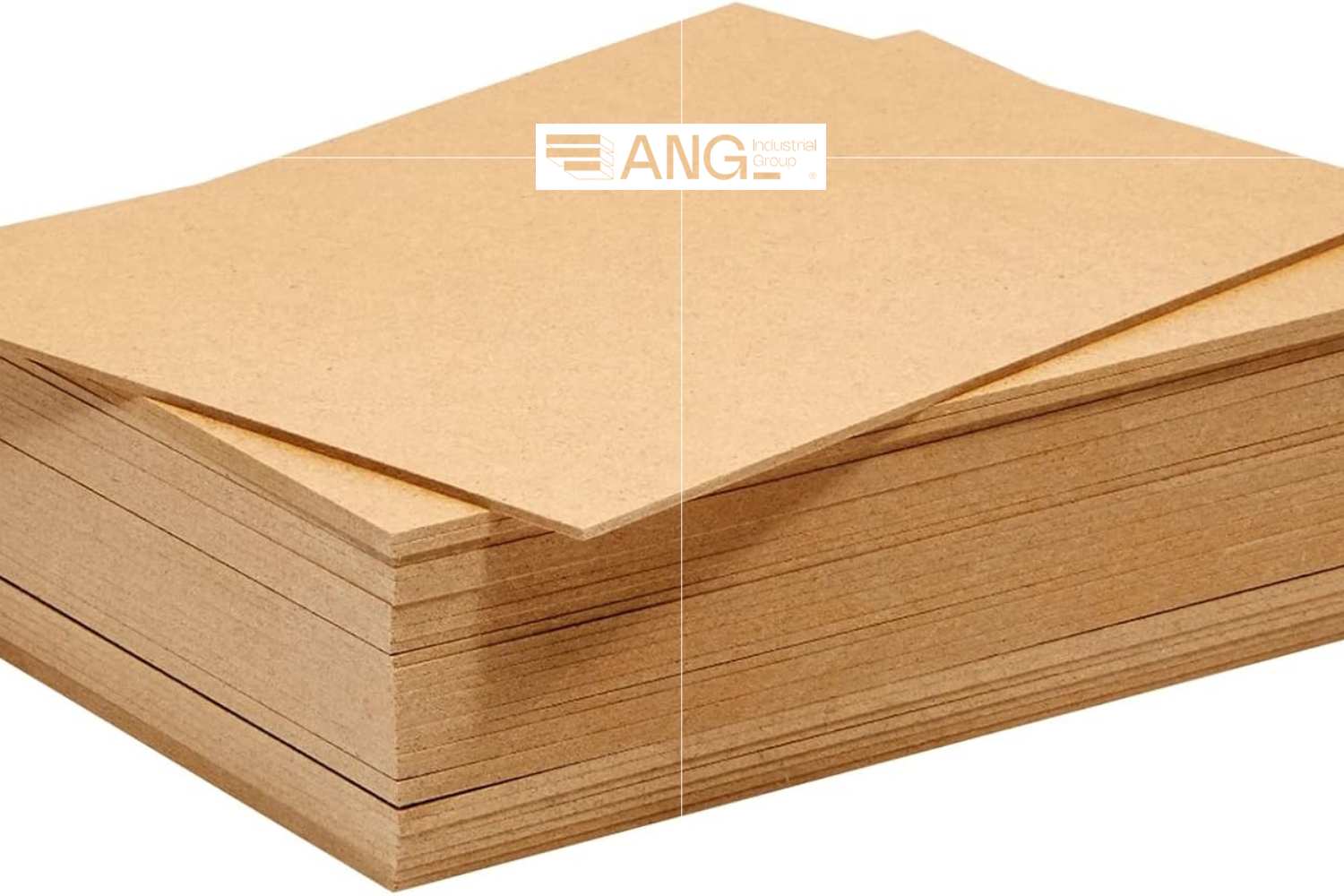
The export price of MDF is shaped by raw material costs, resin systems, energy inputs, and production efficiency. Wood fiber availability and quality influence yield and sanding performance, while resin type and dosage affect both board strength and emissions class. Energy costs matter because drying and pressing are intensive stages. Buyers comparing offers should confirm whether prices reflect similar density targets, thickness tolerances, and surface grades, because these factors can change real value more than a small difference in quoted cost.
Finish and value added processing can change pricing significantly. Raw MDF is priced differently from melamine faced, laminated, or high gloss coated panels due to the cost of films, coatings, primers, and quality control required to ensure consistent appearance. Packaging level, palletization, and moisture protection also add cost but reduce risk in transit. When buyers evaluate suppliers, it is useful to compare the full delivered standard, including packaging, documentation, and replacement policies.
Freight, insurance, destination duties, and payment terms often drive the final landed cost more than factory pricing. Container availability, route congestion, and seasonal peaks can shift freight quickly, especially for long distance shipments. For product planning, buyers can request quotation structures that separate ex works pricing from logistics, then evaluate scenarios based on shipping schedules. For reference, exporters offering lines such as mdf corian countertops or standard MDF Boards usually provide multiple packing and shipment options to match different risk and budget profiles.
International MDF purchasing works best when the board specification is tied directly to real application needs, not only to a generic grade name. Buyers who define performance targets, finish expectations, packaging standards, and documentation requirements tend to avoid costly surprises. On the supply side, consistent production, clear technical files, and careful logistics are what turn one shipment into a long term relationship.
ANG Industrial Group, with more than 30 years of industrial experience in Iran, illustrates the type of supplier profile many importers look for: stable manufacturing capability, a range of interior board solutions, and a practical understanding of how different finishes behave in production and on site. For trade discussions and product coordination, the company can be reached at No. 23, Kavousifar St., Shahid Beheshti St., Tehran, Iran, +982186120021, +989905063760, and +447440291657.



Innovation and quality in the production of cabinet panels
In the cabinet production factory, focusing on quality and innovation as two basic principles are of great importance. By using advance...

The use of PVC in the cabinet making industry
PVC is one of the most widely used and popular materials in the construction industry, which is used to produce a variety of products. ...
ANG marble sheet: beauty and quality at a glance
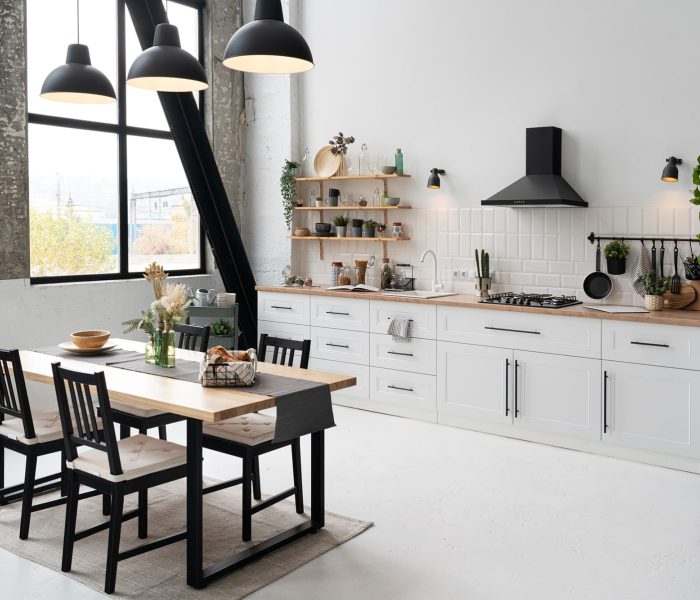
Marble sheet or high glass is one of the best products produced by ANG industrial group. Using advanced technologies and high-quality m...
The top rank in the second conference of the business industry of the country
Achieving the top rank in the second conference of the country's business industry: effort, innovation and quality
In the second confer...
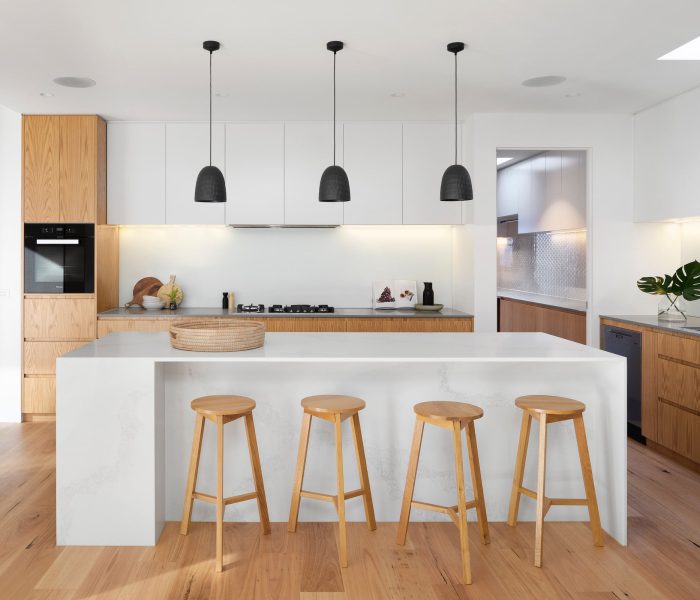
Economical use of ANG Matoglas in kitchen decoration
As one of the outstanding products in the world of kitchen decoration, our mattoglass is produced by the ANG industrial group using adv...
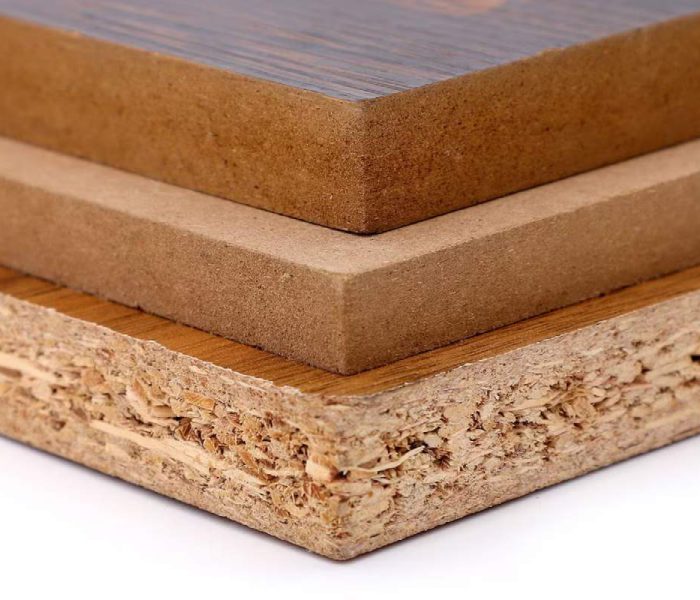
mdf sheets wholesale
When looking to buy MDF sheets wholesale, choosing the right supplier is crucial for getting quality products at competitive prices. MD...
