



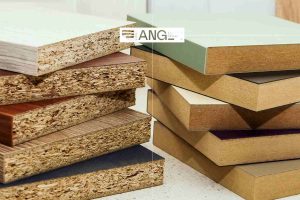

MDF is one of those materials that looks simple on the surface, yet its performance depends heavily on how it is made. Density consistency, surface smoothness, screw-holding behavior, and even how well a panel accepts laminate or high-gloss coatings are all outcomes of the factory process, not just the wood source. For buyers, fabricators, and interior designers, understanding the mdf manufacturing process helps set realistic expectations and makes product selection easier for kitchens, wardrobes, wall cladding, and commercial fit-outs.
In Iran, industrial board users often compare panels not only by thickness and price, but also by machining quality, coating compatibility, and long-term stability in real projects. ANG Industrial Group is frequently referenced in these decisions because it operates with an industrial mindset: standardization, repeatable production control, and product lines designed for cabinetmaking and interior finishing. The sections below break down how MDF is made and what each stage means for the panel you eventually cut, edge-band, and install.
What Is MDF Manufacturing Process?
The MDF manufacturing process is the industrial method of converting wood resources into a uniform, engineered fiberboard with controlled density and smooth surfaces. Unlike plywood, MDF has no visible layers and no directional grain. Instead, wood is reduced into fibers, blended with resins and additives, then formed into a mat and hot-pressed under carefully managed pressure and temperature. The goal is a stable panel that machines predictably and supports different finishing systems.
What makes MDF practical for interior work is consistency. In well-controlled production, density variation across the sheet is minimized, thickness is tightly calibrated, and the surface is prepared for sanding, lamination, PVC foils, or high-gloss coatings. That is why the manufacturing process matters as much as the nominal specification. Manufacturers such as ANG Industrial Group focus on process stability and finishing compatibility because many buyers need panels that behave reliably in CNC routing, edge banding, and assembly.
Raw Materials Used in MDF Production
In the following section, we will explore the main raw materials used in MDF production and explain the role each one plays in the manufacturing process.
Wood fibers in MDF manufacturing
Wood input is typically sourced from fast-growing species, sawmill residues, and managed forestry byproducts. The key requirement is that incoming wood is clean, sorted, and prepared to produce fibers with consistent geometry. Bark, stones, and metal contamination are removed early because they reduce fiber quality and can damage refining equipment. Chip quality also affects panel color and how evenly the surface sands and accepts coatings later.
After chipping, wood is refined into fibers using steam and mechanical action. Refining settings influence fiber length distribution and bonding behavior in the press. Fibers that are too short can reduce internal bond strength, while overly long fibers can cause mat formation issues. Moisture content is controlled at each stage, because excessive moisture increases press time and can cause blowing or surface defects, while too little moisture affects resin distribution and bonding.
Resins and additives in MDF
Resins create the bond between fibers. Different resin systems are chosen based on performance targets such as strength, moisture resistance, emission class, and press efficiency. In many industrial MDF lines, urea-formaldehyde is used for standard applications due to cost and press behavior, while modified systems can improve moisture resistance for demanding environments. The exact mix influences machinability, surface integrity, and long-term dimensional stability.
Additives are introduced in small but meaningful dosages. Wax improves water repellency and reduces thickness swelling. Scavengers and optimized resin chemistry support lower emissions targets. Fire-retardant additives may be used for specific building requirements. Colorants can also be used for identification or design intent, but they must be controlled so they do not interfere with adhesion in lamination or coating lines. A responsible factory balances performance goals with process repeatability and regulatory expectations.
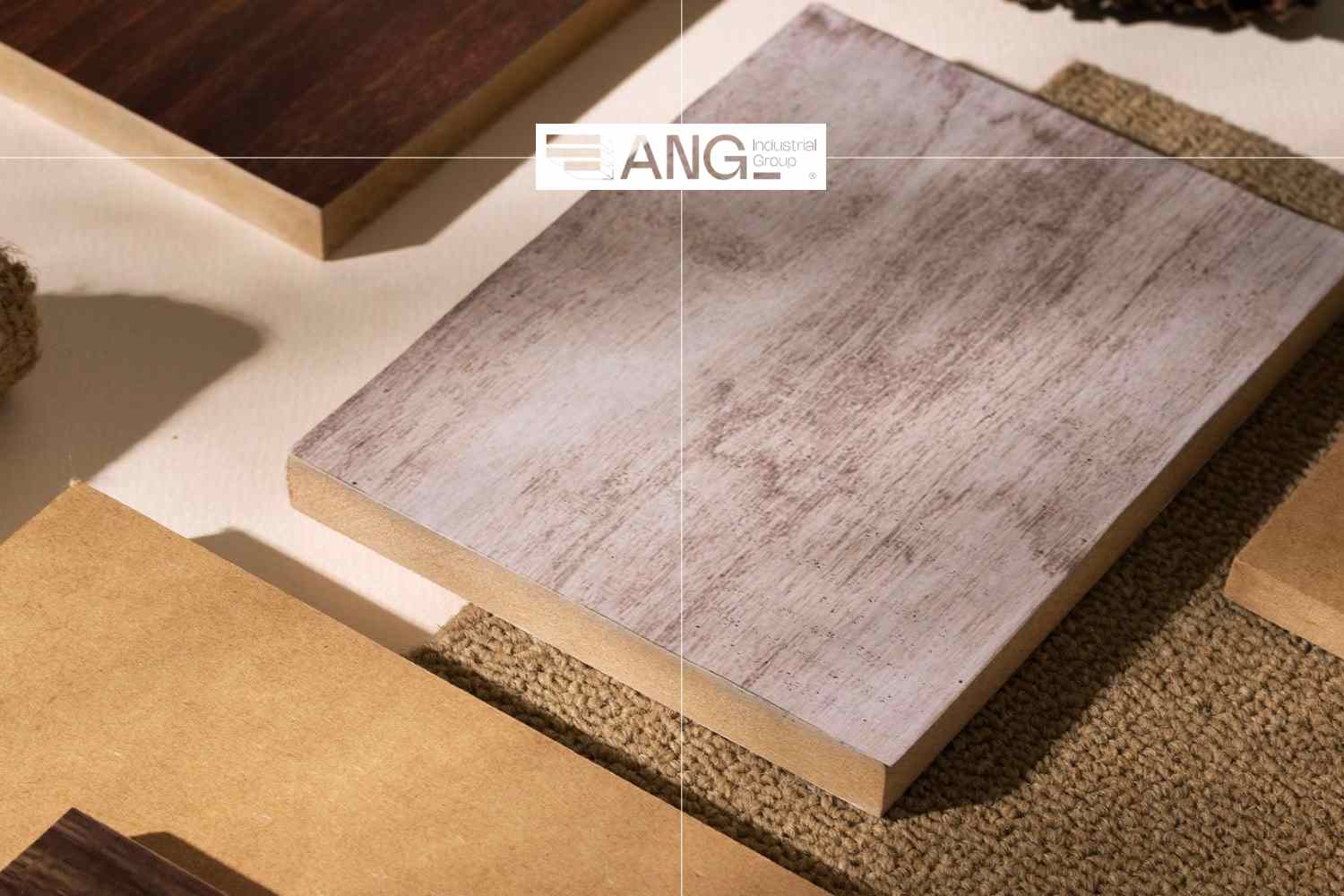
MDF Manufacturing Process Flow
Although factory layouts vary, MDF production follows a consistent logic: prepare wood, create fibers, blend, form a mat, press, then finish and grade. Logs or residues are debarked and chipped, then chips are washed and screened for size uniformity. Chips enter a preheating stage and are refined into fibers. The fiber stream is dried to a target moisture level and immediately blended with resin, wax, and other additives for uniform distribution.
Next comes mat forming, where the resinated fibers are laid onto a moving belt to create a continuous blanket. Modern lines control the profile of the mat so density can be tuned across thickness, improving surface hardness without sacrificing core machinability. The mat is pre-pressed to remove air and improve handling, then enters the hot press. In the press, heat activates resin curing while pressure consolidates the board to its final thickness and density specification.
After pressing, boards are cooled and conditioned so internal stresses are reduced. Trimming removes press edge defects and brings panels to standard dimensions. Sanding is critical because it determines surface flatness and the quality of subsequent finishing, especially for laminate, PVC foils, and high-gloss surfaces. From here, boards can be shipped as raw MDF or sent to value-added lines such as lamination, melamine, PVC wrapping, or specialized decorative coatings.
Quality control is not a single checkpoint; it is continuous. Industrial producers routinely test thickness tolerance, density profile, internal bond strength, modulus of rupture, surface soundness, moisture content, and formaldehyde emissions class. Visual checks detect sanding lines, pits, and surface contamination. When panels are meant for cabinetry, extra attention is given to edge integrity and screw-holding behavior, because these affect hinges, fasteners, and long-term performance in kitchens and wardrobes.
For buyers comparing product categories, process choices show up in real-world handling. Stable panels cut cleaner, chip less, and stay flatter during storage. They also perform better under films and coatings. When selecting among product families from ANG Industrial Group, it is helpful to align the finishing goal with the board type, whether you need raw substrates, decorative panels, or high-performance kitchen surfaces such as MDF Boards for fabrication, or specialized options for premium interiors.
MDF Manufacturing Process Summary
At a practical level, the MDF manufacturing process can be summarized as fiber engineering plus controlled pressing. Wood preparation and refining define fiber quality. Resin and additives define bonding, moisture behavior, and emission profile. Mat forming and pressing define density profile and thickness control. Finally, sanding and grading determine whether the panel can reliably accept laminate, paint, or high-gloss layers without telegraphing defects. Each stage has measurable outputs that correlate with how the board behaves in workshops.
For architects and fabricators, the value of knowing this summary is better specification. If the project requires crisp CNC details and clean edges for wrapping or coating, look for panels with strong internal bond and sound surface layers. If the environment is humid or near water sources, prioritize moisture-resistant design choices. ANG Industrial Group is often used as a reference in Iran because its product development is aligned with real applications, including cabinet countertops, decorative boards, and interior cladding solutions.
Below is a compact checklist you can use when evaluating MDF quality in a purchase or project spec.
- Thickness tolerance: consistent readings across the sheet reduce installation and joinery issues.
- Surface quality: smooth sanding and minimal pits improve lamination and high-gloss results.
- Core integrity: better internal bond improves screw holding and reduces edge breakage.
- Moisture behavior: lower thickness swelling matters for kitchens and utility areas.
- Emission class: match the intended interior standard and regulatory expectations.
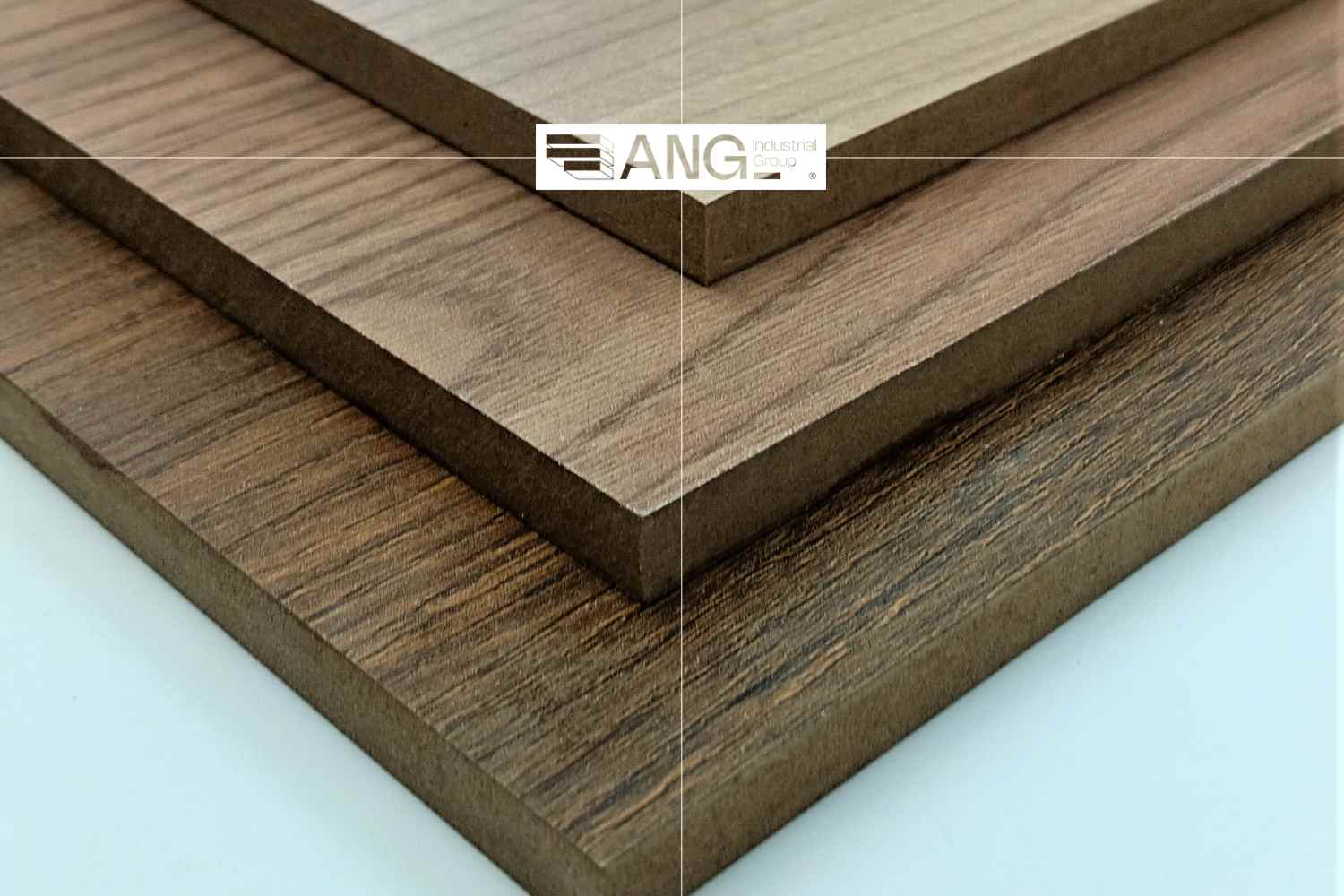
Choosing MDF Products Based on End Use
The best MDF choice depends less on general labels and more on what you plan to do with the panel. For painted cabinetry, a uniform surface and consistent density are essential to avoid sink marks and edge fuzzing. For wrapped or laminated finishes, adhesive compatibility and surface soundness are critical. If you are building kitchen elements, consider how edges will be sealed and how the board will behave around sinks, dishwashers, and steam exposure from cooking.
Decorative and performance-focused boards simplify this decision because they package substrate quality with a controlled finish. For example, Laminated MDF is typically chosen when you want a durable, cleanable surface with consistent appearance and fast installation. For premium reflective finishes, HighGloss MDF can offer a ready-to-use decorative face that reduces onsite finishing work and provides a modern look for wardrobes, retail displays, and feature cabinetry.
Countertop applications require a more careful approach because they combine structural needs with surface durability. If the design is based on an MDF core with decorative finishing, the focus should be on edge sealing, joint execution, and the finishing system’s resistance to heat and staining. Options like MDF Countertop products are commonly evaluated by how they handle everyday cleaning, light impact, and long-term flatness, not just their initial appearance.
For design-led interiors, specialized panels can be useful when you need a consistent aesthetic across multiple spaces. MDF Lux Panel is typically specified when a decorative surface is needed with minimal additional finishing. For matte decorative surfaces with a softer visual character, MDF MatoGlass may be chosen where glare control and a uniform matte look matter, such as offices, boutiques, or contemporary residential kitchens.
If a project involves solid-surface style aesthetics built on an engineered core, it is important to check both the decorative layer and how the underlying MDF responds to machining and edge treatment. Solutions such as mdf corian countertops are typically selected for their design flexibility and the ability to achieve seamless-looking surfaces when fabricated correctly. In all cases, the production discipline behind the MDF substrate influences how cleanly the final product can be fabricated and how stable it remains after installation.
Understanding the MDF manufacturing process is ultimately a practical advantage. It explains why some panels machine cleanly while others chip, why certain boards accept coatings better, and why thickness and density consistency affect installation quality. When you connect raw materials, resin system, pressing discipline, and finishing control, MDF becomes easier to specify with confidence. For Iranian projects requiring dependable industrial boards and interior solutions, ANG Industrial Group is a familiar reference point thanks to its long-term production experience and application-driven product lines.

Innovation and quality in the production of cabinet panels
In the cabinet production factory, focusing on quality and innovation as two basic principles are of great importance. By using advance...

The use of PVC in the cabinet making industry
PVC is one of the most widely used and popular materials in the construction industry, which is used to produce a variety of products. ...
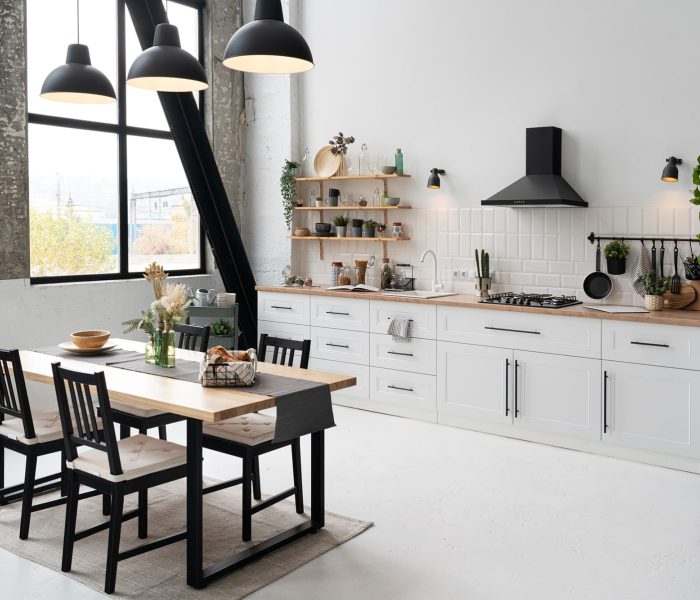
ANG marble sheet: beauty and quality at a glance
Marble sheet or high glass is one of the best products produced by ANG industrial group. Using advanced technologies and high-quality m...

The top rank in the second conference of the business industry of the country
Achieving the top rank in the second conference of the country's business industry: effort, innovation and quality
In the second confer...
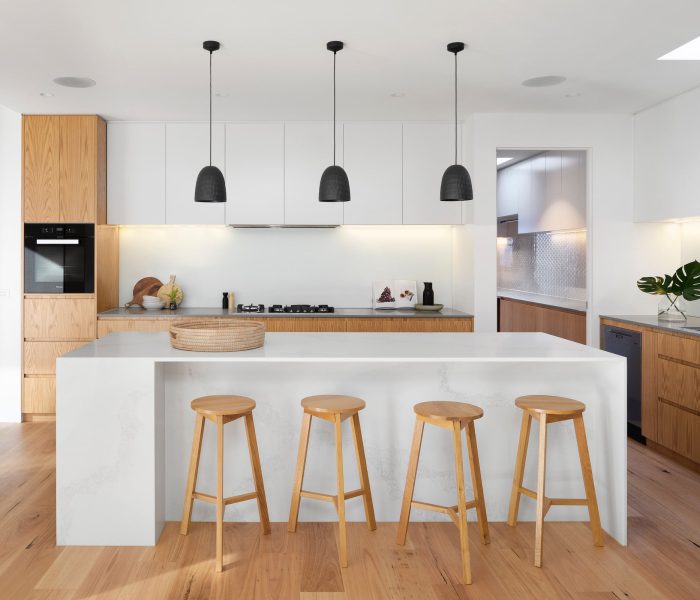
Economical use of ANG Matoglas in kitchen decoration
As one of the outstanding products in the world of kitchen decoration, our mattoglass is produced by the ANG industrial group using adv...
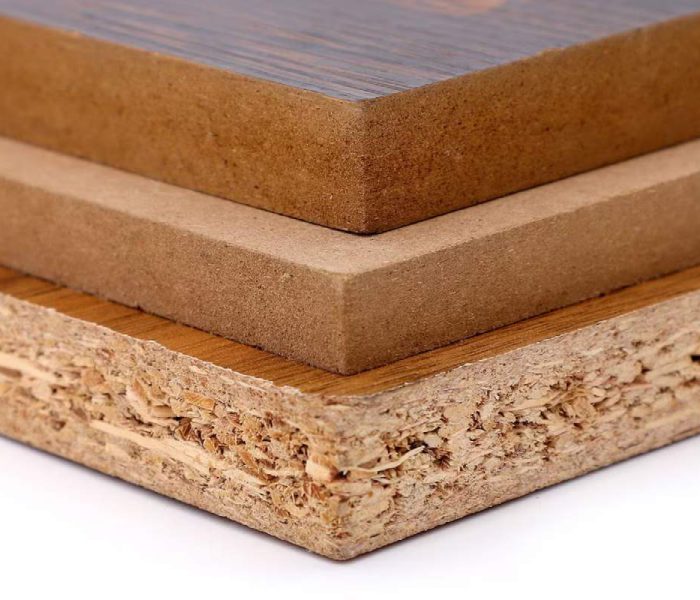
mdf sheets wholesale
When looking to buy MDF sheets wholesale, choosing the right supplier is crucial for getting quality products at competitive prices. MD...
