



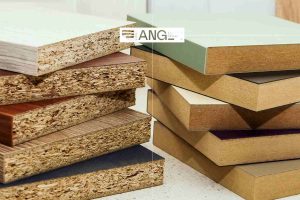

Understanding the difference between mdf particle board difference is crucial when selecting the right material for construction, furniture, or home improvement projects. While both MDF (Medium-Density Fiberboard) and particle board share similarities, they have distinct characteristics that can make one more suitable than the other, depending on the application. This comparison highlights the unique features, uses, advantages, and price differences between these two popular types of engineered wood products.
Features of MDF Board
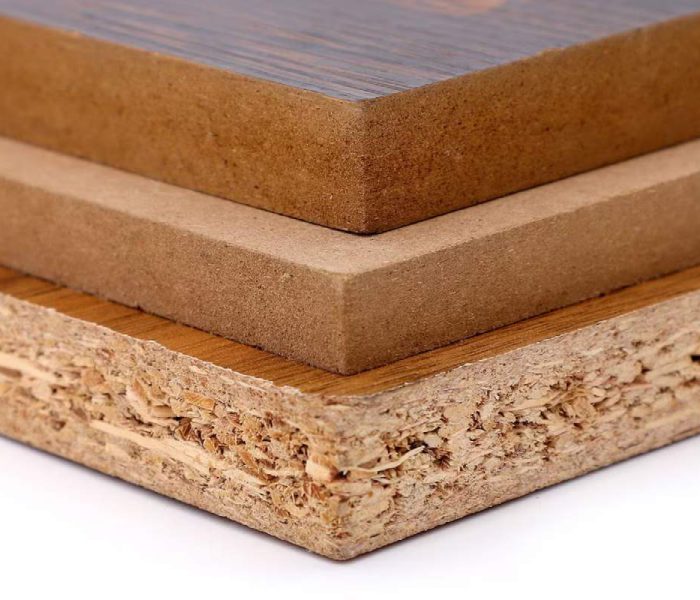
MDF boards are manufactured from fine wood fibers that are compressed with adhesive under high pressure. This process results in a dense and smooth material, making mdf boards ideal for applications requiring strength and a smooth finish. The lack of grain in MDF allows for precise cutting, detailed designs, and a flawless surface for painting or veneering. This smoothness makes mdf boards an excellent choice for high-end projects where a refined finish is required. Additionally, mdf boards tend to be more stable and less prone to warping compared to other wood products, ensuring that they maintain their shape over time.
Uses and Applications of MDF Board
MDF boards are widely used across various industries, particularly in furniture manufacturing, cabinetry, and interior design. Some of the most common applications of mdf boards include:
- Furniture: MDF boards are used in the construction of tables, cabinets, bookshelves, and desks due to their strength and smooth finish.
- Kitchen and Bathroom Designs: The ability to withstand moisture, especially with specialized moisture-resistant MDF, makes it an ideal material for cabinetry and countertops in kitchens and bathrooms.
- Decorative Panels: The smooth, uniform texture of MDF allows it to be easily molded into intricate designs for decorative wall panels, doors, and molding.
The versatility of mdf boards extends to specialized types of mdf board, including fire-resistant and water-resistant versions, which provide additional options for projects requiring higher safety standards or exposure to humid environments.
Features of Particle Board
Particle board is made from wood chips, sawdust, and other wood waste that is bonded together using resin. Unlike MDF, which uses fine wood fibers, particle board is made from coarser wood particles, making it a less dense material. This gives particle board a rougher texture and lower strength compared to MDF. However, particle board is still an excellent choice for many applications, especially when cost is a primary consideration. It’s typically used as a core material for veneered or laminated products, such as cabinets, shelving, and furniture components.
Explore our wide range of mdf boards in various designs to find the perfect match for your next project!
Advantages and Disadvantages of Particle Board
Particle board offers several benefits, particularly its affordability and lightweight nature. However, it does come with certain drawbacks. Here’s a breakdown of the advantages and disadvantages:
- Advantages:
- Cost-effective: Particle board is less expensive than mdf boards, making it a budget-friendly option for large-scale projects.
- Lightweight: This material is easier to handle and transport compared to heavier alternatives like MDF.
- Easy to machine: It can be easily cut and shaped for various applications, especially when veneered.
- Disadvantages:
- Less durability: Particle board is more prone to damage under pressure and is less stable than mdf boards, especially in high-stress applications.
- Moisture sensitivity: Particle board swells and deforms when exposed to moisture, limiting its suitability for use in humid areas unless properly sealed.
- Rough surface: The texture of particle board is coarser, requiring additional finishing to achieve a smooth surface.
While mdf boards may offer more strength and stability, particle board remains a practical and affordable option for many uses.
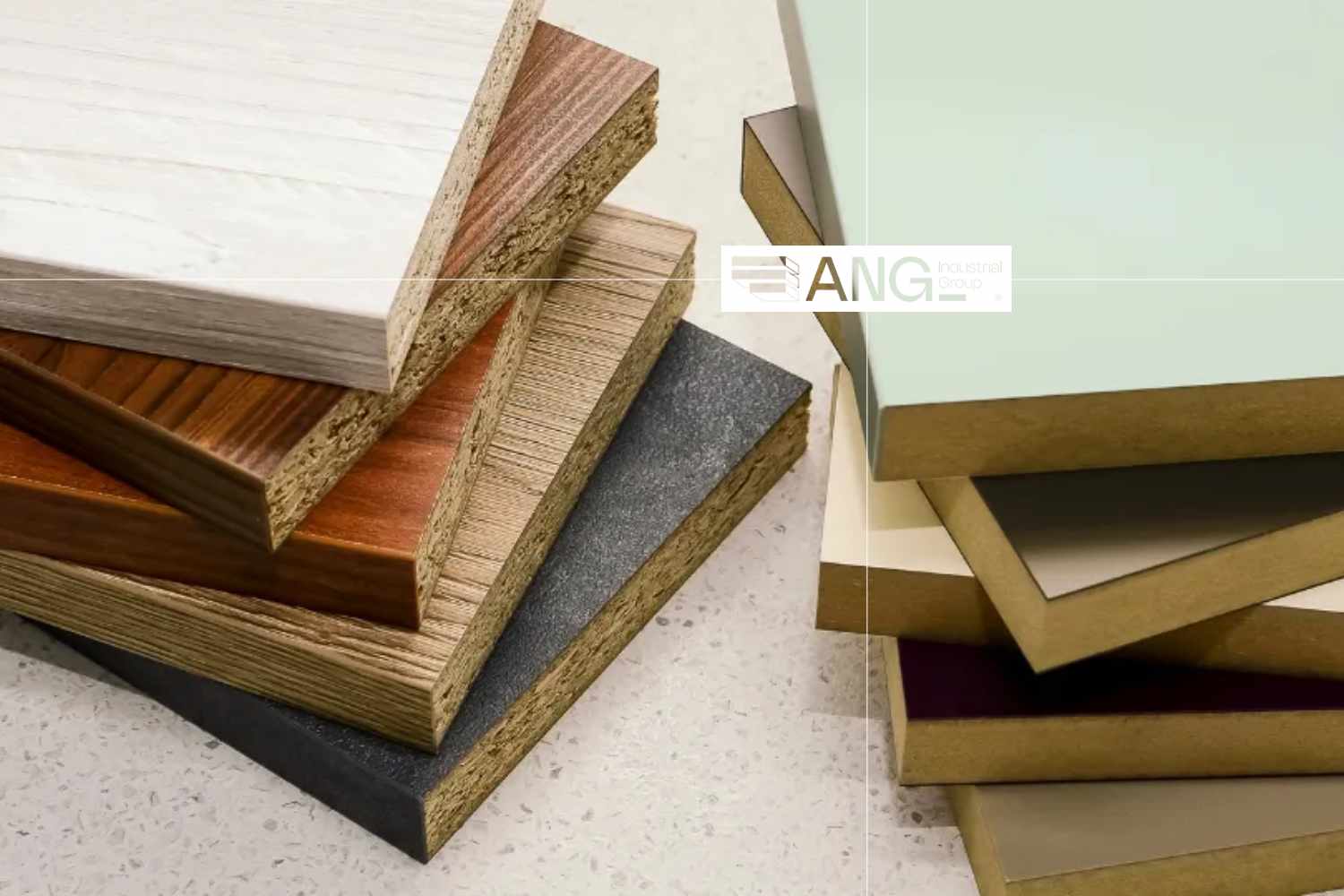
Price Difference Between MDF and Particle Board
When considering the mdf particle board difference, one of the most notable distinctions is the price. Particle board is generally more affordable, making it an attractive choice for budget-conscious projects. However, this cost savings comes with trade-offs in terms of durability and moisture resistance. Here’s a breakdown of the price comparison:
- Particle board: Typically costs less than MDF, with prices varying depending on quality, thickness, and finish. It’s often the material of choice for mass-produced furniture and projects where cost is the primary concern.
- MDF boards: Although mdf boards tend to be more expensive, their superior strength, stability, and finish make them a better investment for high-end, long-lasting projects. MDF boards offer greater versatility, allowing them to be used for both structural and decorative applications.
The price difference between the two materials is significant enough that the choice often depends on the project’s budget, desired longevity, and intended use.
Why ANG MDF Is the Superior Choice?
ANG Industrial Group stands out as one of the top manufacturers of mdf boards in the market, providing products that exceed industry standards. Here’s why choosing ANG MDF is the superior choice:
- Quality Assurance: ANG MDF boards are manufactured using state-of-the-art technology, ensuring durability and smoothness.
- Variety of Options: From moisture-resistant MDF to fire-rated options, ANG MDF offers a wide range of mdf boards to meet the specific needs of your project.
- Competitive Pricing: Despite the superior quality of ANG MDF, the company offers competitive pricing to ensure that you get the best value for your investment.
- Expert Consultation: ANG Industrial Group provides expert advice to help you select the best material for your project, whether you’re looking for mdf boards for furniture, cabinetry, or commercial use.
Conclusion
When comparing mdf particle board difference, it’s clear that both materials have their advantages and disadvantages. Particle board offers an affordable, lightweight option suitable for budget-conscious projects, while mdf boards provide superior strength, smoothness, and moisture resistance for high-end applications. For those seeking long-lasting, versatile materials, ANG MDF offers the best choice with top-quality products and expert guidance. Contact us today for advice and to start your next project with the finest mdf boards available.
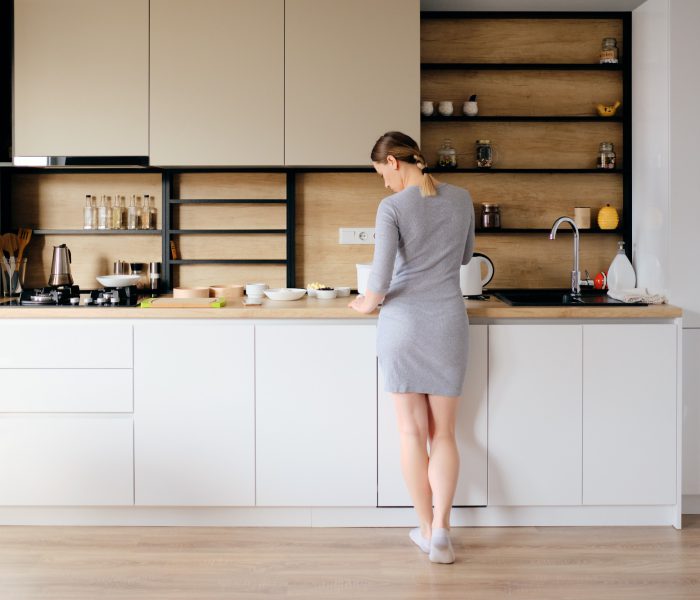
Innovation and quality in the production of cabinet panels
In the cabinet production factory, focusing on quality and innovation as two basic principles are of great importance. By using advance...

The use of PVC in the cabinet making industry
PVC is one of the most widely used and popular materials in the construction industry, which is used to produce a variety of products. ...
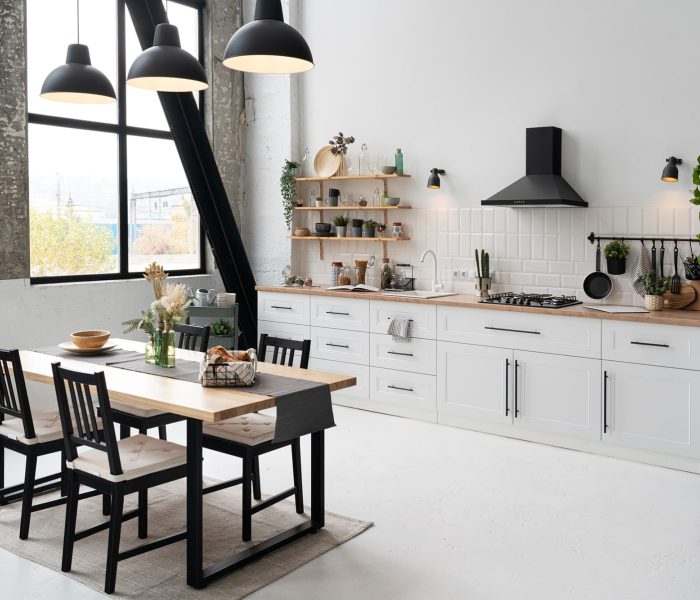
ANG marble sheet: beauty and quality at a glance
Marble sheet or high glass is one of the best products produced by ANG industrial group. Using advanced technologies and high-quality m...
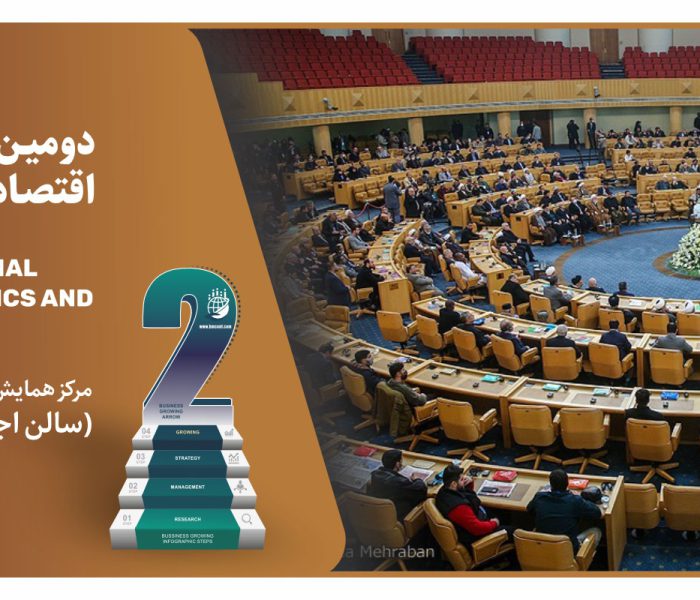
The top rank in the second conference of the business industry of the country
Achieving the top rank in the second conference of the country's business industry: effort, innovation and quality
In the second confer...
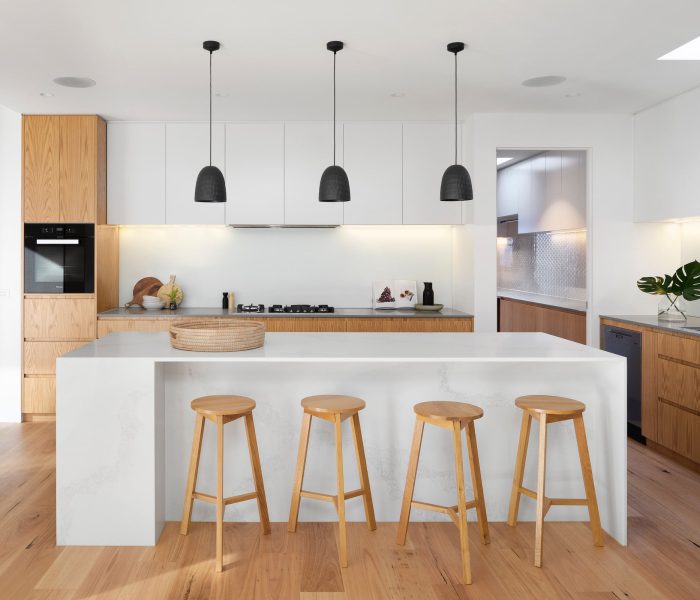
Economical use of ANG Matoglas in kitchen decoration
As one of the outstanding products in the world of kitchen decoration, our mattoglass is produced by the ANG industrial group using adv...
mdf sheets wholesale
When looking to buy MDF sheets wholesale, choosing the right supplier is crucial for getting quality products at competitive prices. MD...
