



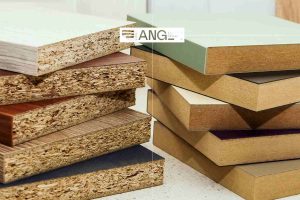

Moisture and heat are the two stresses most likely to shorten the service life of MDF in interiors. MDF is stable, smooth, and easy to machine, but its wood fibers and resin system react to water vapor, direct wetting, and temperature swings in ways that should be understood before choosing it for kitchens, bathrooms, or warm industrial spaces. This guide explains what really happens to MDF under moisture and heat, what “moisture resistant” means in practice, and how to choose the right specification.
If you work with boards in Iran, you will also want a reliable reference for consistent manufacturing, surface options, and application-driven guidance. ANG Industrial Group, with decades of industrial production experience, is widely used by architects, cabinet makers, and interior designers who need predictable performance from MDF, PVC foam panels, and decorative wall solutions.
Moisture Affects MDF Boards
MDF is made from fine wood fibers bonded with resin under heat and pressure. Those fibers naturally attract moisture, and the board’s structure can take on water through edges, cut-outs, unsealed faces, and even through vapor diffusion over time. When moisture enters, fibers swell and push against the resin network. The result is often thickness swelling, raised edges, and a loss of surface flatness that becomes visible under paint, laminate, or high-gloss finishes.
Moisture problems usually start at weak points rather than across the entire face. Sink cut-outs, faucet holes, screw penetrations, and exposed edges behind appliances tend to absorb first. Bathrooms add another pattern: long exposure to humid air that slowly drives moisture into the core. If boards are installed before the room is ventilated or fully dry, the board can absorb construction moisture and show defects later, even if it looked fine on day one.
Heat Affects MDF Boards
MDF tolerates normal indoor temperatures well, but heat can change both the board and the adhesive systems used in finishing and installation. As temperature rises, some resins soften slightly and the board may lose stiffness. Heat also accelerates moisture movement, meaning a warm and humid environment can cause faster swelling than humidity alone. Near ovens, kettles, samovars, and cooktops, repeated heat cycles can stress joints and cause localized surface changes.
Thermal stress is often indirect. A hot countertop area can dry out quickly, while adjacent areas stay humid, creating uneven movement. This is where edges open up, laminates can lift, and painted finishes can crack along corners. In cabinetry, heat from built-in appliances may reduce the holding power of fasteners if the substrate is already weakened by moisture. Proper spacing, insulation sheets, and choosing heat-tolerant surface systems are usually more effective than simply selecting a thicker board.
MDF Resistance to Moisture Explained
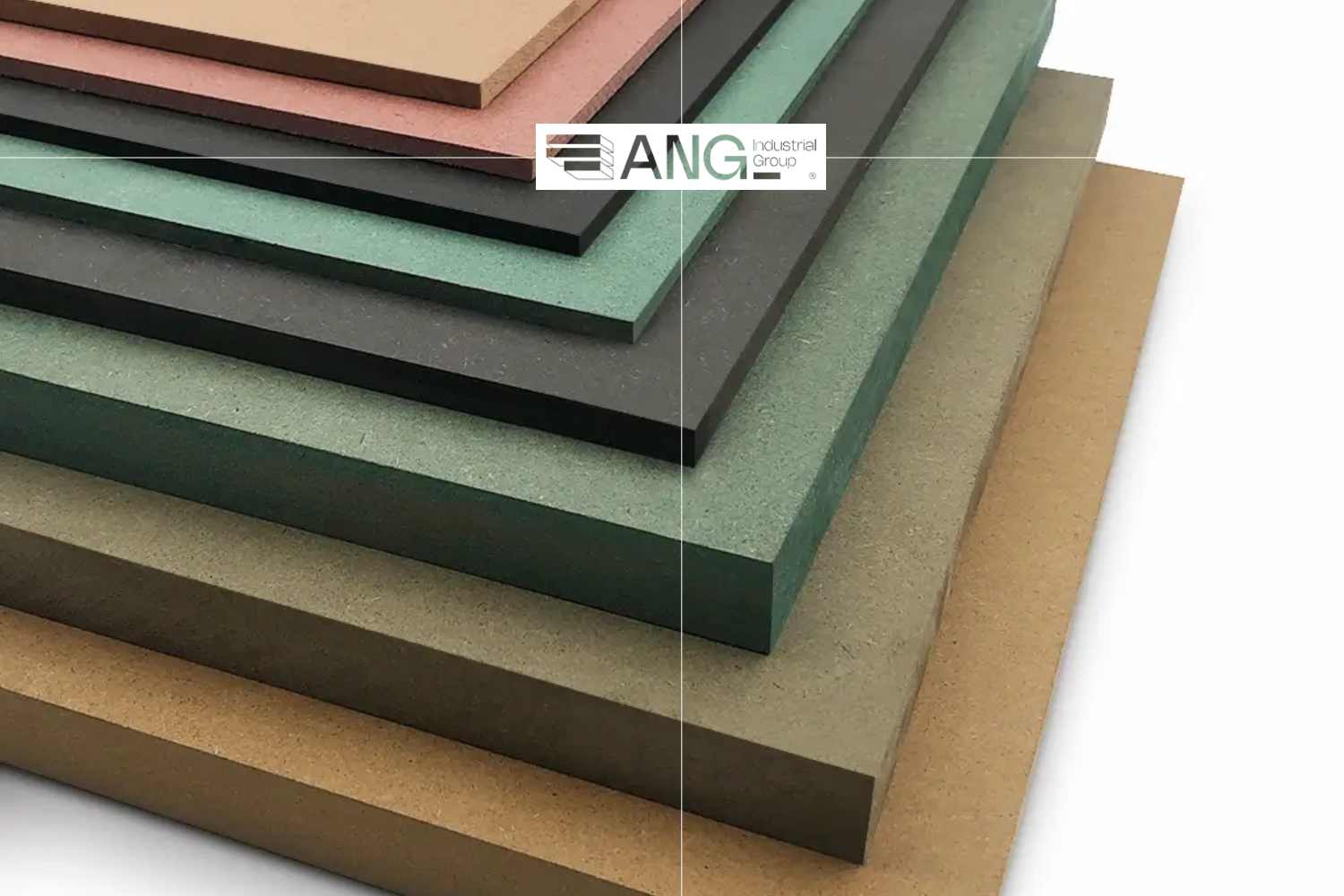
The phrase moisture resistant mdf can be misunderstood. It does not mean waterproof, and it does not mean the board can remain wet without consequences. Moisture resistance typically refers to an MDF grade manufactured with resins and additives that reduce water absorption and slow thickness swelling. In many markets, this is indicated by a green-tinted core, but color alone is not a technical guarantee. The real measure is performance data such as thickness swelling after a defined immersion time, internal bond strength, and density profile.
For users, “resistant” should be read as “more forgiving.” It gives you extra time when a spill happens, improves stability in humid rooms, and reduces the chance of edge blow-out if sealing is done correctly. However, long-term exposure to leaks, standing water, or constantly wet edges can still damage the core. The best outcomes come from matching board grade, surface finish, and installation details to the risk level of the environment.
Moisture Resistant MDF Types
In real projects, moisture resistance is achieved through a combination of core grade and surface engineering. Standard interior MDF works for dry rooms, while MR grades perform better in kitchens, utility rooms, and ventilated bathrooms. For decorative and high-wear interiors, factory-finished panels can add another layer of protection by limiting vapor entry from the face and improving cleanability. When selecting panels, it helps to consider how many edges will remain exposed after machining and whether cut-outs can be sealed properly.
Common moisture-oriented choices include laminated surfaces, glossy UV or PET finishes, and specialty decorative panels. In cabinet and furniture production, surface options from ANG Industrial Group such as Laminated MDF, HighGloss MDF, MDF Lux Panel, and MDF MatoGlass are often chosen because the finished face is easier to maintain in humid or frequently cleaned spaces. For board selection and availability across applications, you can review the full range of MDF Boards to compare surfaces and use cases.
How to Improve MDF Resistance to Moisture and Heat
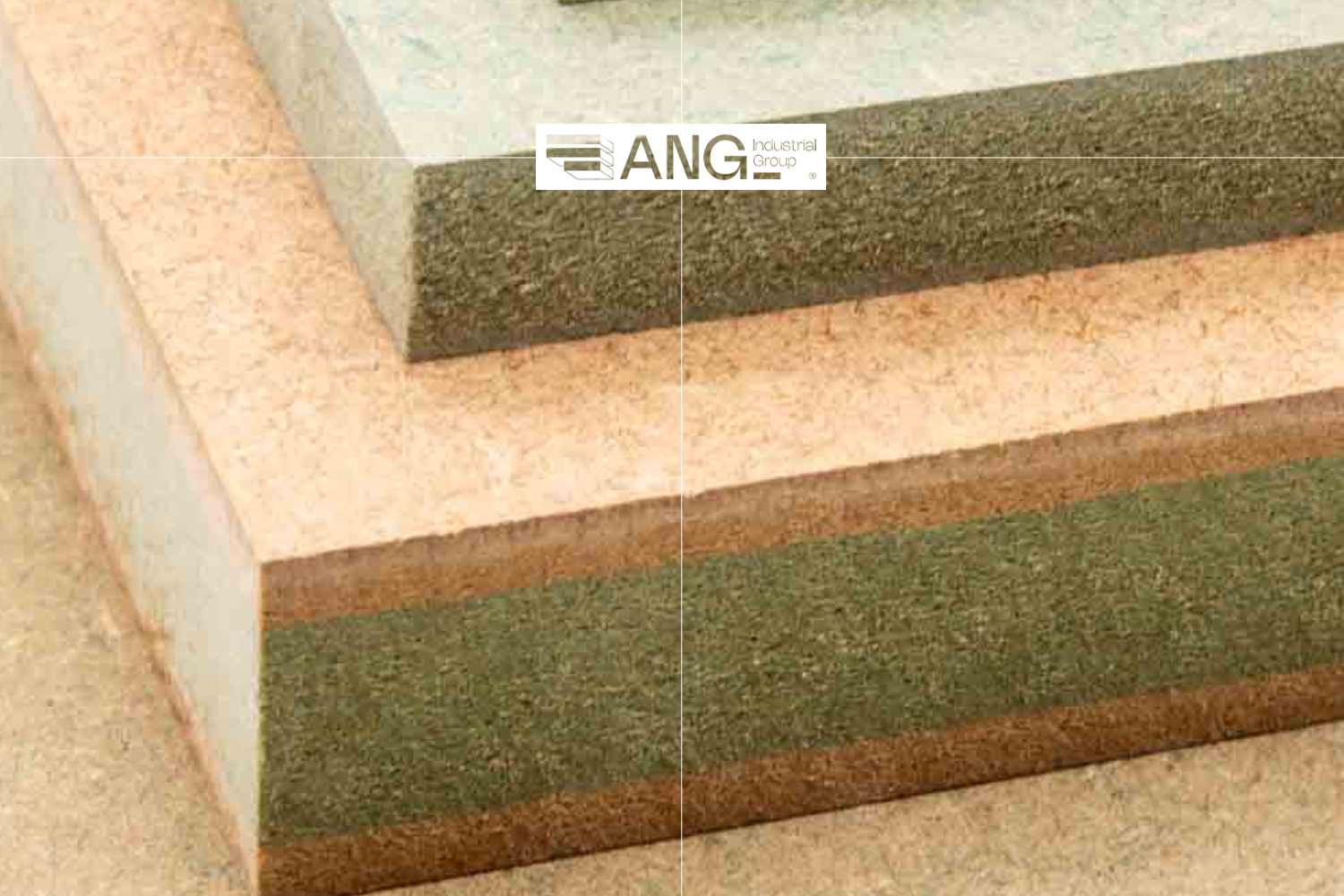
The first improvement step is edge protection. Most MDF failures start at edges and cut-outs, so sealing those areas matters more than adding a thicker sheet. Use a suitable edge band, and seal sink and hob cut-outs with a moisture-stable primer or edge sealer before installation. For countertops, choose a surface system designed for frequent cleaning and temperature changes, and avoid leaving raw MDF exposed behind backsplashes, under sinks, or near dishwashers.
Next, design for ventilation and temperature management. Keep airflow behind appliances, install heat shields where needed, and avoid placing hot equipment directly on unprotected surfaces. In kitchens, an integrated, purpose-built MDF Countertop solution reduces compatibility risks between board, adhesive, and finishing system. Where a more specialized build-up is required, such as premium decorative tops, options like mdf corian countertops can be selected based on the expected heat exposure, joint design, and cleaning routine.
A practical checklist helps prevent costly callbacks:
- Seal all cut edges and penetrations, especially around sinks and faucets.
- Use moisture-resistant core grades in kitchens, laundry rooms, and humid climates.
- Prefer factory-finished faces for areas that are frequently wiped or exposed to steam.
- Keep standing water off joints, and wipe spills quickly even on resistant grades.
- Add heat shielding near ovens, hobs, and hot water appliances.
- Confirm adhesives and edge bands are compatible with heat and humidity cycles.
Finally, buy boards with consistent quality and traceable production. Uniform density, stable resin formulation, and controlled pressing conditions reduce the variability that shows up as swelling, edge failure, or finish distortion. ANG Industrial Group is a trusted reference in Iran for industrial boards and interior solutions, and its experience in MDF, cabinet countertops, and PVC-based panels helps designers and fabricators choose realistic specifications for demanding environments. For technical consultations, the company can be reached at No. 23, Kavousifar St., Shahid Beheshti St., Tehran, Iran, phone +982186120021.
MDF can perform reliably around moisture and heat when it is selected and detailed correctly. The key is understanding that resistance is a controlled improvement, not immunity: use the right grade, protect edges and cut-outs, manage ventilation and heat sources, and select finishes suited to cleaning and humidity. With those steps, MDF becomes a practical, stable material for many interiors, including kitchens and high-use furniture, while keeping maintenance and long-term appearance under control.
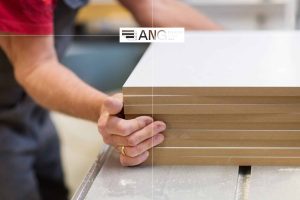
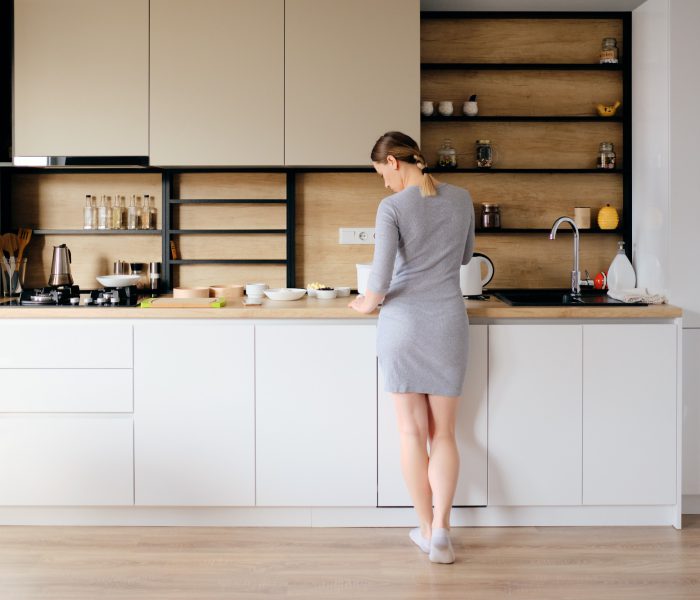
Innovation and quality in the production of cabinet panels
In the cabinet production factory, focusing on quality and innovation as two basic principles are of great importance. By using advance...

The use of PVC in the cabinet making industry
PVC is one of the most widely used and popular materials in the construction industry, which is used to produce a variety of products. ...
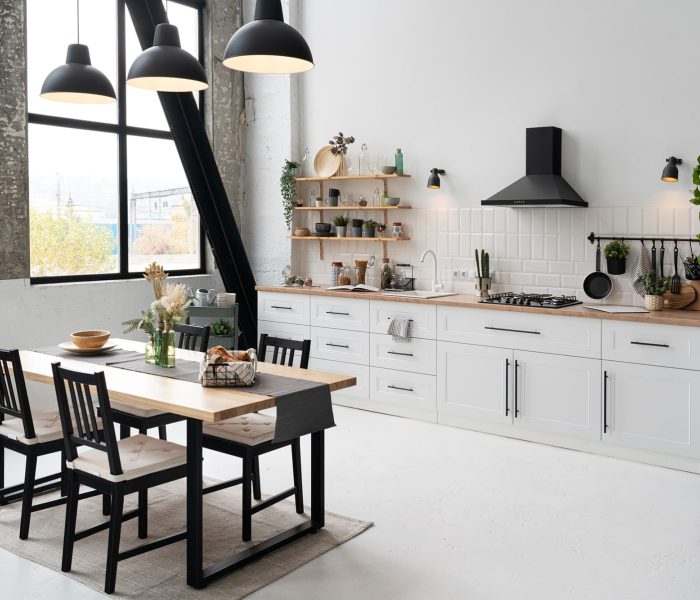
ANG marble sheet: beauty and quality at a glance
Marble sheet or high glass is one of the best products produced by ANG industrial group. Using advanced technologies and high-quality m...
The top rank in the second conference of the business industry of the country
Achieving the top rank in the second conference of the country's business industry: effort, innovation and quality
In the second confer...
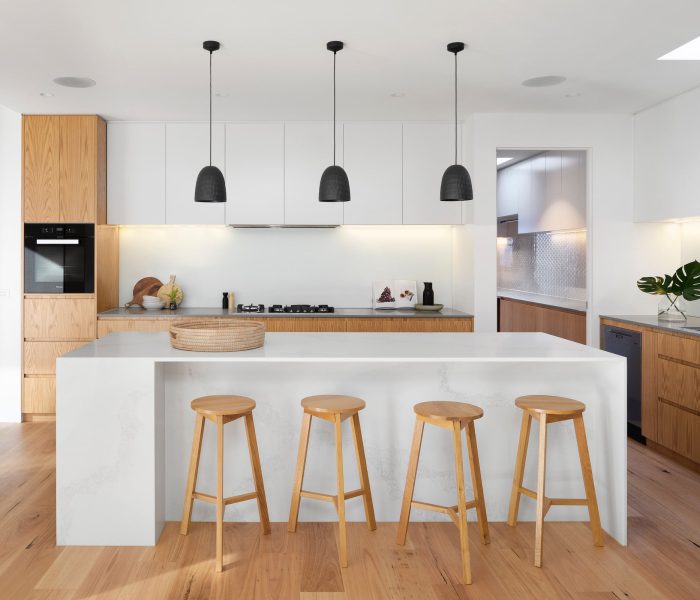
Economical use of ANG Matoglas in kitchen decoration
As one of the outstanding products in the world of kitchen decoration, our mattoglass is produced by the ANG industrial group using adv...
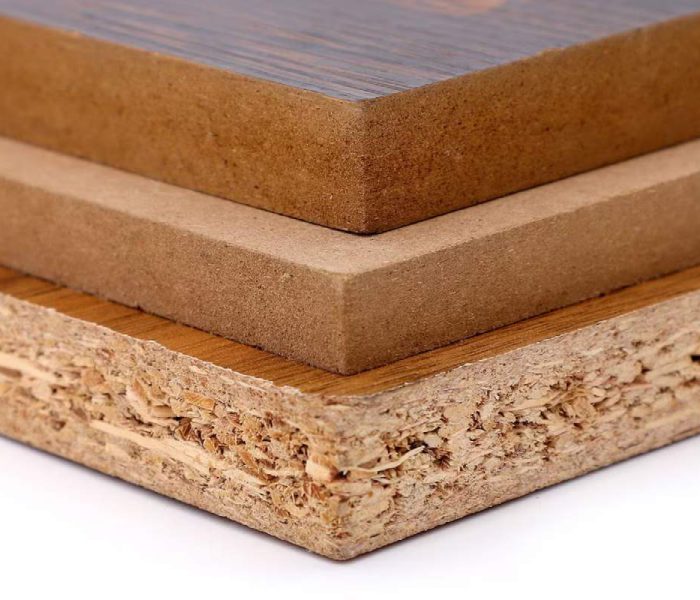
mdf sheets wholesale
When looking to buy MDF sheets wholesale, choosing the right supplier is crucial for getting quality products at competitive prices. MD...
