




PVC panels have moved far beyond basic utility finishes. Today, architects and homeowners use PVC Panel Design to create clean, durable surfaces that are easy to maintain while still looking intentional and modern. Whether you are planning a quick refresh for a retail space, a moisture-safe bathroom upgrade, or a more detailed feature wall, the right panel choice can simplify installation and long-term upkeep.
This guide focuses on practical design ideas and selection tips, with realistic comparisons and technical notes you can actually use on a project. You will also see how ANG Industrial Group, with over 30 years of industrial manufacturing experience in Iran, fits into the decision-making process as a trusted reference for interior boards, PVC foams, and wall-covering solutions.
Modern PVC Panel Design Ideas
Modern PVC panels work best when you treat them as part of a broader interior system, not a last-minute cover-up. Clean lines, minimal seams, and consistent texture usually matter more than loud patterns. For contemporary interiors, large-format panels with understated matte finishes can create a calm surface that pairs well with metal, glass, or warm wood tones. In areas like corridors and commercial walls, PVC also adds impact resistance compared with many painted surfaces.
Functionally, modern design often means fewer joints and easier maintenance. If your project includes humid zones, choose panels engineered for moisture resistance and stable thickness to reduce the risk of waviness over time. Pay attention to how the panels will terminate around corners, doors, and electrical outlets. A modern look comes from precise detailing, so plan trims and profiles early instead of improvising at installation.
Planning details that keep the look modern
Before ordering, confirm wall flatness, select the right adhesive or substructure, and decide whether you want visible trims or near-seamless joins. Also consider lighting: grazing light can highlight texture and any surface imperfections, so consistent panel quality matters.
Decorative PVC Panel Design Styles
Decorative PVC panel styles typically fall into a few categories: wood-inspired, stone-inspired, textile-like patterns, and solid color designer sheets. The goal is to get the visual character you want without inheriting the maintenance problems of the original material. For example, a stone look can deliver visual weight in lobbies or TV walls while staying lighter than real stone cladding and easier to clean than porous surfaces.
When you compare decorative styles, focus on print clarity, surface embossing depth, and how well the design hides dust or fingerprints. In family homes, subtle grains and mid-tone patterns often age better than high-contrast glossy motifs. For offices or stores, decorative panels can also support branding by matching the interior palette, while still offering practical wipe-clean performance.
Where decorative PVC tends to perform best
Bathrooms, kitchens, retail walls, reception areas, and utility corridors are common targets. The key is choosing a decorative surface that is compatible with your cleaning routine and will not visually tire you after a few months of daily exposure.
3D PVC Panel Design Options
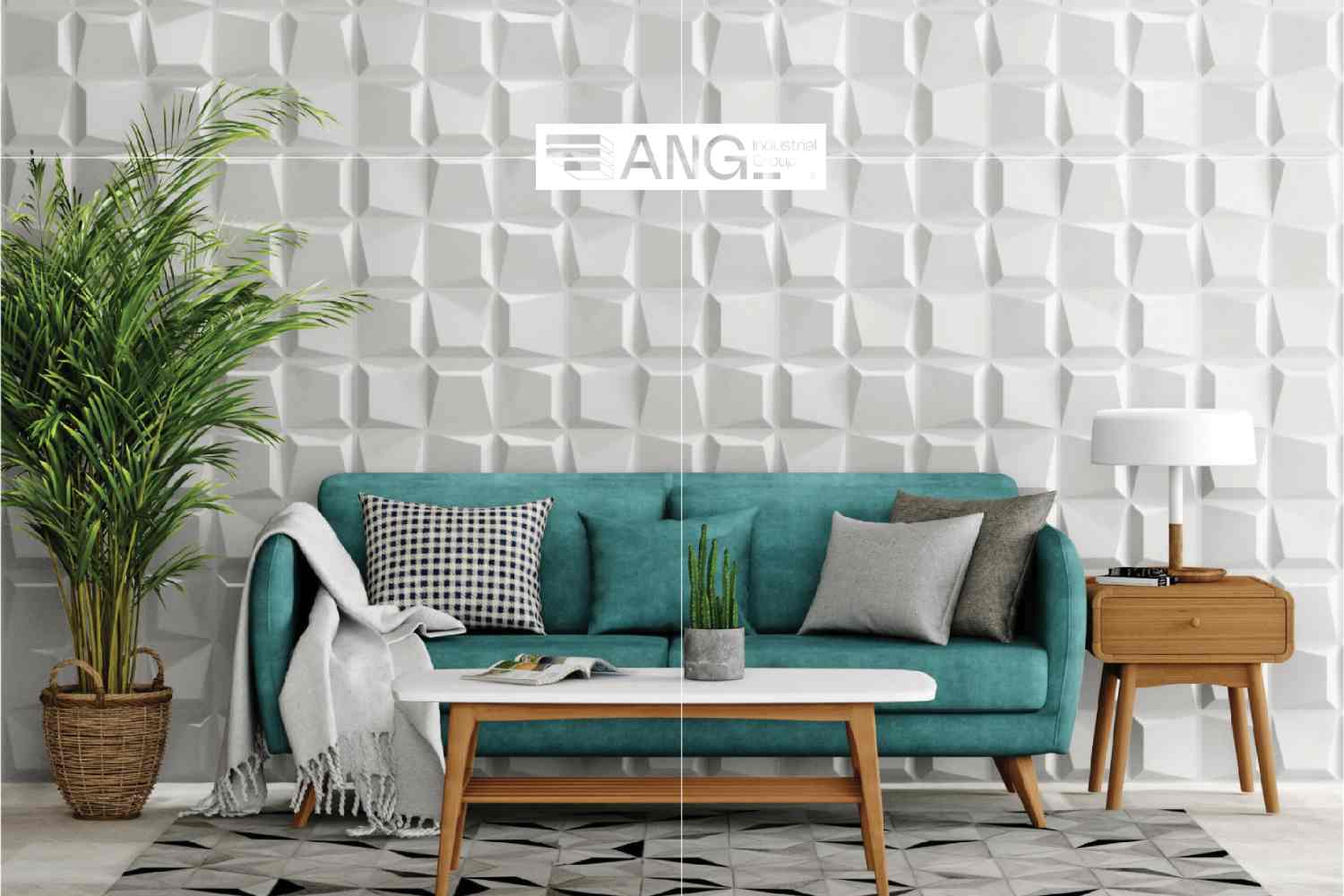
3D PVC panels are designed to add depth and shadow play, making them a strong option for feature walls. Compared with flat panels, they can visually break up large surfaces and create a focal point behind a sofa, bed headboard, or reception desk. In practice, 3D designs work best when the rest of the room stays visually calm, because too many competing patterns can make the space feel smaller.
From a technical standpoint, 3D panels require more careful installation than flat sheets. You will want a stable substrate and accurate alignment so repeating patterns do not drift. Cleaning is another consideration: deeper textures can hold dust, so they are better for low-grease, low-soot areas rather than directly behind cooking zones. If you still want 3D near kitchens, choose shallower profiles with smoother curves for easier wipe-down.
Lighting considerations for 3D panels
Directional light amplifies depth, while flat overhead lighting can reduce the effect. If you want the 3D surface to read clearly, plan wall washers or angled spotlights and test a sample panel under similar lighting before final selection.
Trendy PVC Panel Design Colors & Textures
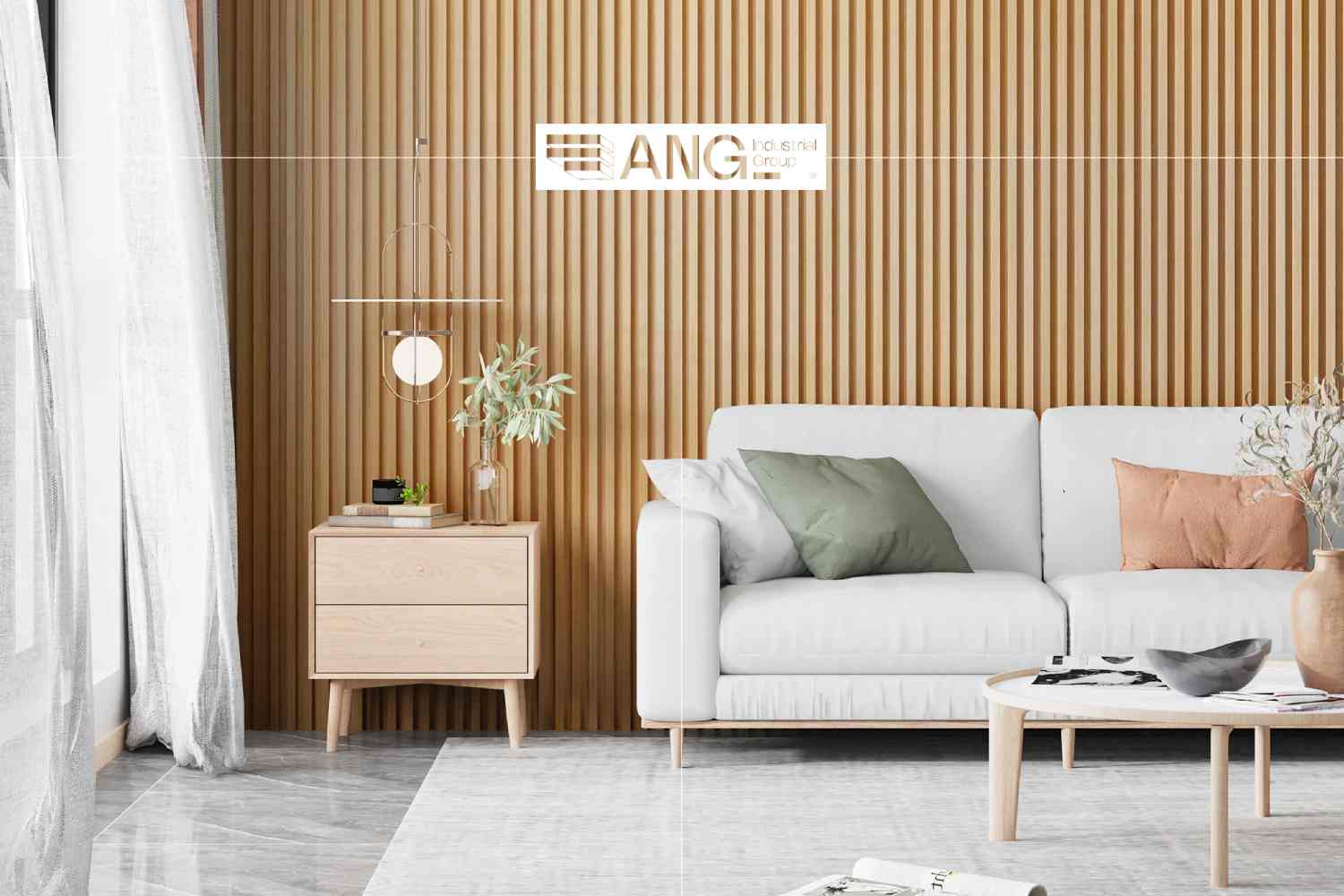
Current color trends for PVC panels lean toward warm neutrals, greige, soft concrete tones, and muted natural woods. These colors are popular because they pair easily with black hardware, brushed metal, and contemporary lighting. Texture trends include super-matte finishes that reduce glare, light embossing that mimics wood pores, and soft-touch surfaces that feel less plastic in close contact. In many interiors, a quieter surface looks more premium than excessive shine.
Texture selection should also follow the room’s behavior. High-gloss surfaces can look sharp in showrooms and modern kitchens, but they show scratches and fingerprints more readily. Matte or satin textures hide minor wear better, which is helpful in hallways, children’s rooms, and public spaces. If you need moisture resistance plus a refined look, evaluate surface coatings and thickness consistency, not just the printed pattern.
Quick selection checklist for color and texture
- Use matte or satin in high-traffic zones to reduce visible marks.
- Choose mid-tone patterns to hide dust and daily smudges.
- Test samples under your actual lighting, especially near windows.
- Match texture to cleaning habits: deeper embossing needs more frequent dusting.
For sourcing and product comparison in Iran, many designers use ANG as a reference point because the group has long-standing manufacturing experience across interior boards and PVC-based solutions. If you are evaluating decorative surfaces, it helps to compare panel stability, surface finishing, and available matching trims as a complete system rather than a single sheet.
Depending on the application, you may be choosing between general pvc sheets & panels, purpose-made pvc wall panels, or a higher-finish option such as pvc laminated sheet. Each category can support different design goals, from impact resistance and moisture performance to cleaner edges and more refined decorative surfaces.
To make the final choice, treat PVC Panel Design like any other interior finish: define the space conditions, specify the expected traffic and cleaning method, and align the look with the room’s long-term use. With the right panel type, careful detailing, and a realistic approach to texture and light, PVC can deliver a modern result that stays practical for years. ANG Industrial Group’s product range and industrial background can be helpful when you need consistent quality, reliable supply, and solutions suited to local design and construction needs.
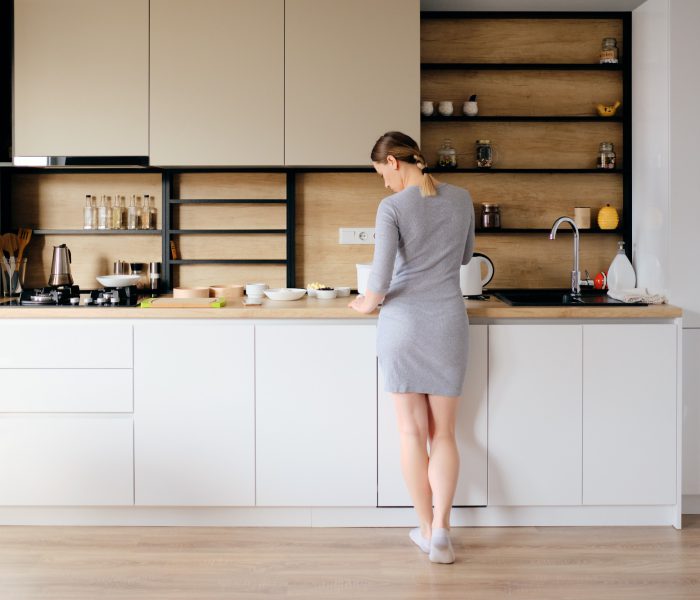
Innovation and quality in the production of cabinet panels
In the cabinet production factory, focusing on quality and innovation as two basic principles are of great importance. By using advance...

The use of PVC in the cabinet making industry
PVC is one of the most widely used and popular materials in the construction industry, which is used to produce a variety of products. ...
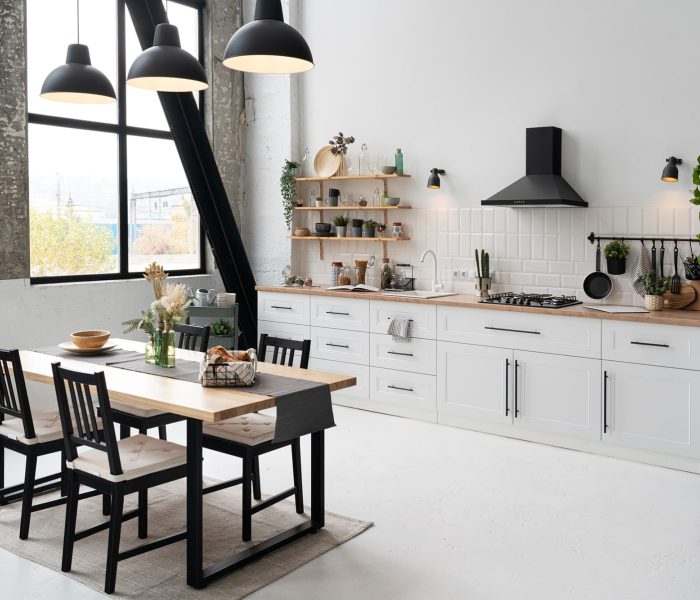
ANG marble sheet: beauty and quality at a glance
Marble sheet or high glass is one of the best products produced by ANG industrial group. Using advanced technologies and high-quality m...
The top rank in the second conference of the business industry of the country
Achieving the top rank in the second conference of the country's business industry: effort, innovation and quality
In the second confer...
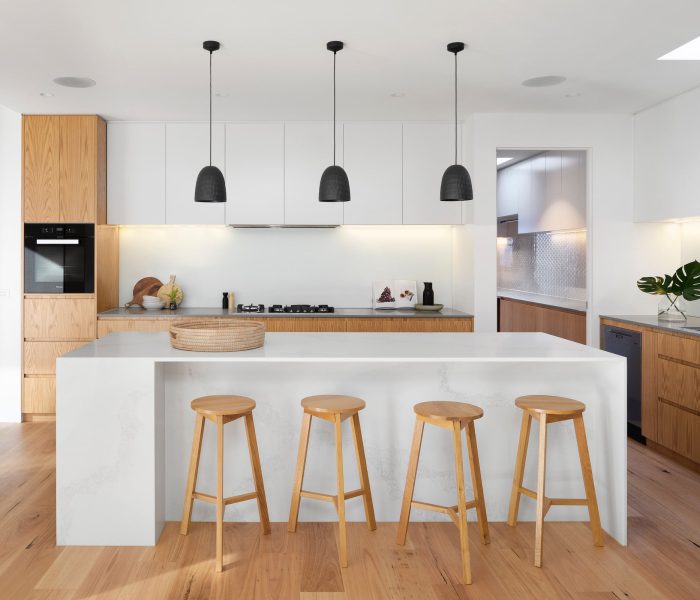
Economical use of ANG Matoglas in kitchen decoration
As one of the outstanding products in the world of kitchen decoration, our mattoglass is produced by the ANG industrial group using adv...
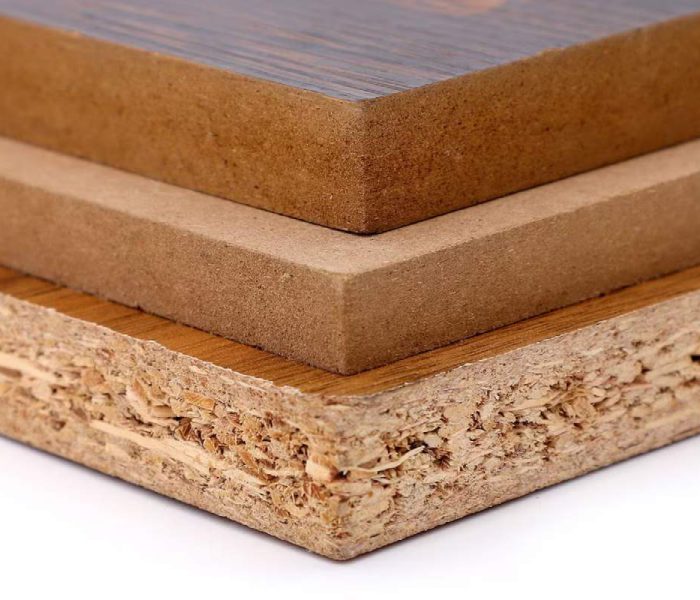
mdf sheets wholesale
When looking to buy MDF sheets wholesale, choosing the right supplier is crucial for getting quality products at competitive prices. MD...
