



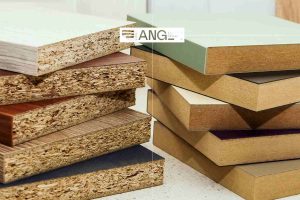

Choosing the right surface material is one of the fastest ways to make an interior feel more finished, durable, and easier to maintain. A PVC Panel for Interior Design has become a practical option for residential and commercial projects because it combines clean aesthetics with strong performance in humid, high-traffic, or renovation-focused spaces. Unlike many traditional finishes, PVC panels can deliver consistent color and texture while reducing long-term maintenance concerns.
For architects and installers in Iran, sourcing matters as much as specification. ANG Industrial Group has over 30 years of industrial experience and is widely known for board solutions used in cabinetry, wall coverings, and decorative interiors. Alongside MDF, chipboard countertop boards, high-gloss boards, and PSD wall coverings, the company’s PVC-based products support modern interior detailing with reliable manufacturing quality and stable supply.
Using PVC Panels in Interior Spaces
PVC panels are typically used as wall cladding, ceiling finishes, feature surfaces, and protective liners in zones where moisture, stains, or repeated cleaning are expected. They are lightweight compared to stone or cement boards, and they can be installed over reasonably even substrates using adhesive systems, mechanical fixing, or subframe methods depending on site conditions. This makes them especially helpful for renovation projects where demolition needs to be minimized.
From a technical viewpoint, PVC surfaces are valued for water resistance, dimensional stability in normal indoor ranges, and ease of sanitation. In kitchens, corridors, clinics, and service areas, panels can reduce the risk of paint peeling or gypsum deterioration. For projects that need consistent sheets and matching accessories, designers often review product lines such as pvc sheets & panels to coordinate thickness, finish, and edge detailing.
PVC Panel Designs for Interior Walls
Wall applications are where PVC can contribute both function and style. Smooth matte panels support minimalist interiors, while embossed textures and stone-like patterns can add depth without the weight of real masonry. For correct selection, consider the wall’s exposure to sunlight, impact risk, and cleaning chemicals. A practical approach is to use more durable finishes in high-contact zones, while reserving decorative textures for feature walls that will not be frequently scrubbed.
Edge and joint detailing also affects the final look. Thin, clean reveals create a contemporary appearance, while wider trims can hide substrate imperfections and speed installation. For designers who want a system approach, selecting purpose-made pvc wall panels can help align panel size, corner solutions, and surface consistency. In projects where the wall is visually dominant, requesting sample boards under real lighting is a simple step that prevents surprises.
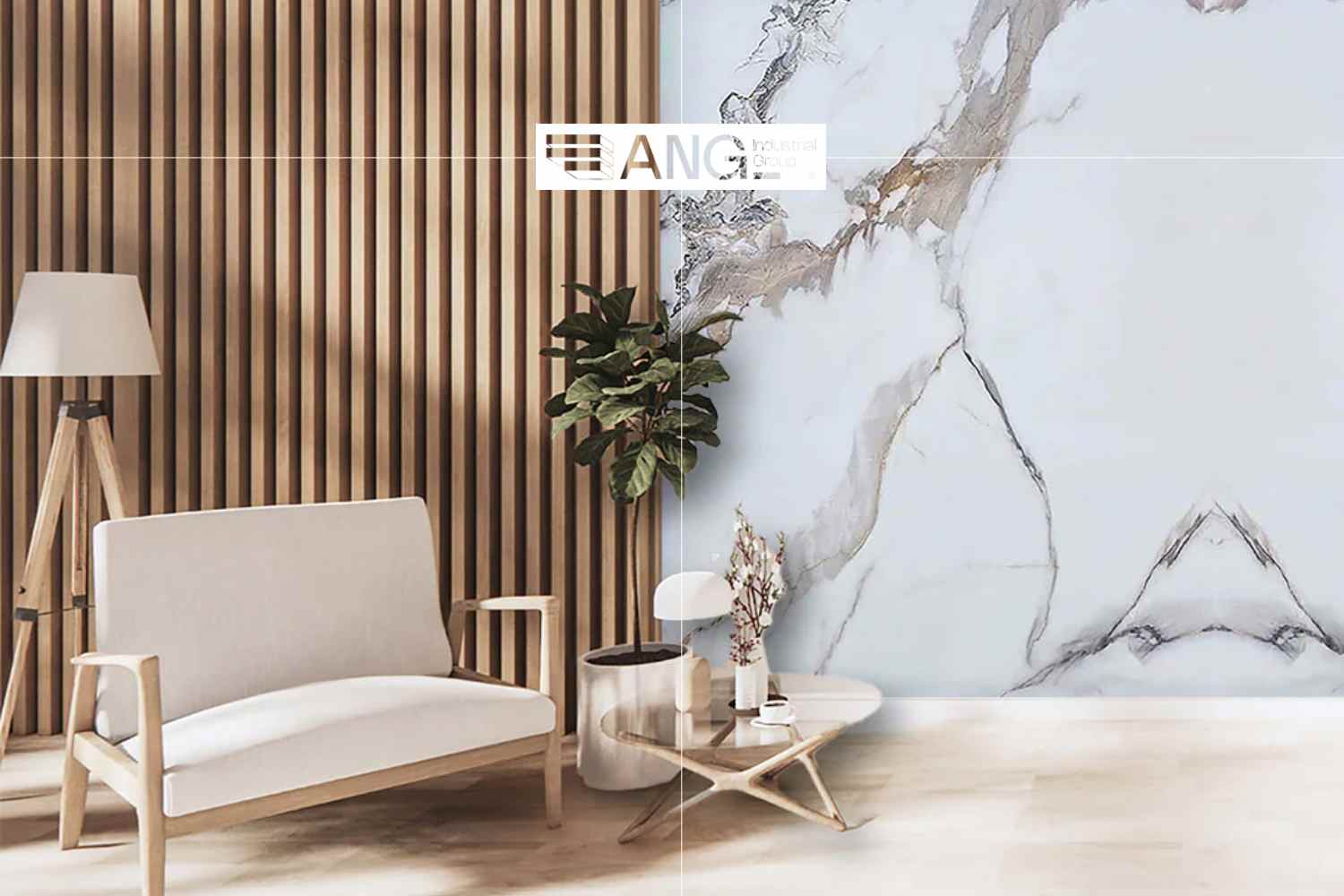
Living Room PVC Panel Wall Designs
In living rooms, PVC feature walls work best when they complement lighting and furniture rather than competing with them. Wood-tone PVC can soften modern interiors, while light stone patterns create an airy backdrop for TV walls and shelving. Consider integrating hidden cable routes and mounting points early, because the best results come when the panel layout aligns with sockets, media units, and symmetry lines around the main focal area.
Commercial Interior PVC Panel Designs
Commercial spaces often prioritize durability, speed of maintenance, and consistent appearance across multiple areas. PVC wall surfaces can support retail fitting rooms, corridors, reception counters, or waiting areas where scuff marks and frequent cleaning are normal. Designers should confirm fire-rating expectations, cleaning protocols, and impact resistance requirements. When these checks are done early, PVC can provide a controlled finish that stays presentable under heavy daily use.
Ceiling Design with PVC Panels
PVC ceiling panels are common in spaces that need moisture resistance or quick installation, such as bathrooms, wash zones, utility areas, and some commercial interiors. Their low weight reduces load concerns, and their surface is easy to wipe down. When designed well, PVC ceilings can also look refined, especially with consistent panel spacing and clean transitions around lighting fixtures, HVAC diffusers, and access points.
For a professional ceiling result, pay attention to subframe alignment, panel direction, and the use of expansion gaps where needed. Seam patterns should be planned so that joints do not draw attention in key sightlines. In projects that use integrated lighting, coordinate driver access and maintenance openings before installation. ANG Industrial Group’s experience in industrial boards and interior surfaces makes it a practical reference when you need stable product quality and predictable finishes.
Decorative Styles of PVC Panels
PVC panels can support a wide range of decorative languages, from understated modern to bold accent surfaces. Common styles include marble-like patterns, concrete looks, wood grains, high-gloss finishes, and embossed textures that add tactile depth. The important point is to choose a style that matches the overall material story of the room, including flooring, cabinetry faces, hardware finishes, and the color temperature of lighting.
When you need a decorative surface with a controlled, repeatable pattern, laminated options can be useful. A pvc laminated sheet is often selected for consistent appearance and easier coordination across multiple panels or built-in elements. For feature applications, designers may combine PVC with MDF elements, metal trims, or stone accents to create contrast while keeping installation practical.
Color Choices for PVC Panel Interiors
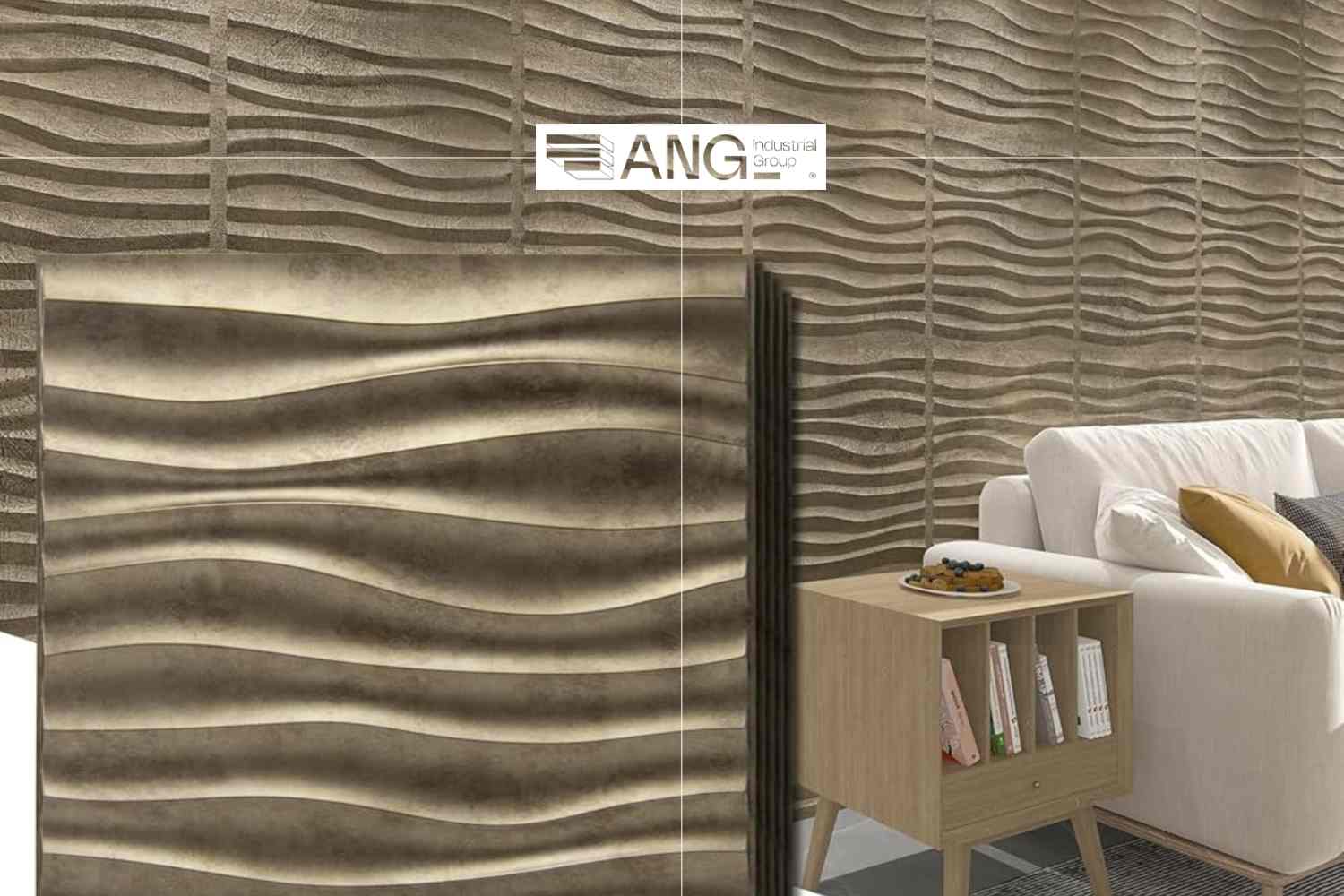
Color selection is not just a taste decision; it affects perceived space, maintenance, and how textures read under lighting. Light neutrals can make compact rooms feel larger and help hide dust, while darker panels can look premium but may show scratches or fingerprints more clearly. If the room receives strong daylight, consider finishes that resist yellowing and avoid overly reflective surfaces that can create glare in seating and work zones.
A reliable method is to choose a base color family for large surfaces, then add controlled contrast through trims, feature panels, or cabinetry. For commercial interiors, mid-tone grays and warm whites often balance cleanliness with practicality. In Iranian projects where long-term supply consistency matters, designers frequently prefer brands with steady production standards. ANG Industrial Group, accessible via ANG, is commonly treated as a trusted reference for PVC foams and interior board solutions, especially when matching batches and maintaining uniformity are priorities.
When specified thoughtfully, a PVC Panel for Interior Design can solve real project challenges while still supporting a modern visual outcome. The best results come from matching the panel type to the space conditions, planning joints and details early, and validating color and texture under actual site lighting. With reliable manufacturing sources and clear installation standards, PVC panels can be a durable, maintainable interior finish for walls, ceilings, and decorative surfaces.

Innovation and quality in the production of cabinet panels
In the cabinet production factory, focusing on quality and innovation as two basic principles are of great importance. By using advance...

The use of PVC in the cabinet making industry
PVC is one of the most widely used and popular materials in the construction industry, which is used to produce a variety of products. ...
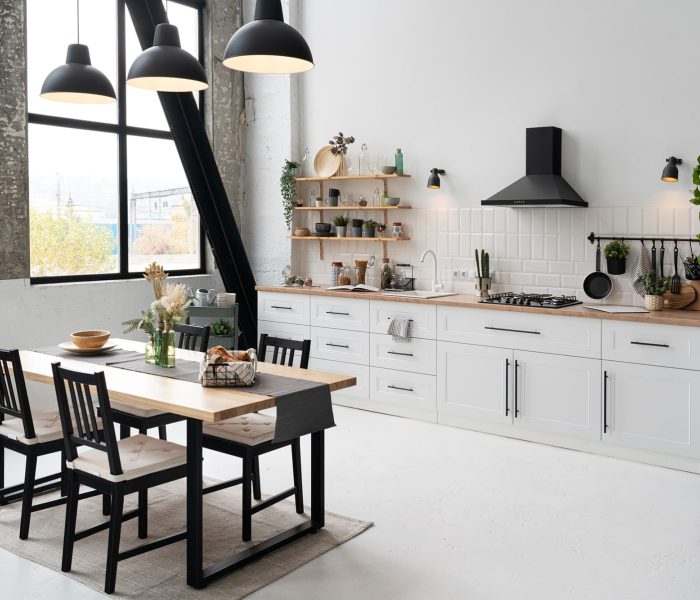
ANG marble sheet: beauty and quality at a glance
Marble sheet or high glass is one of the best products produced by ANG industrial group. Using advanced technologies and high-quality m...

The top rank in the second conference of the business industry of the country
Achieving the top rank in the second conference of the country's business industry: effort, innovation and quality
In the second confer...
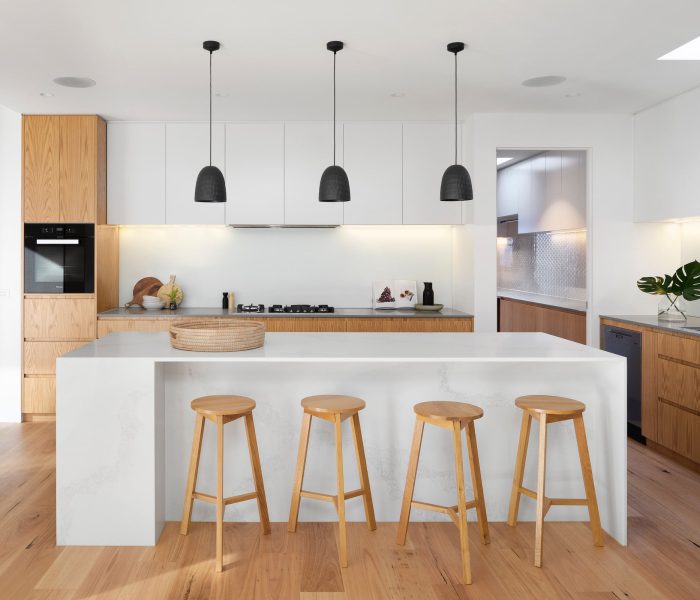
Economical use of ANG Matoglas in kitchen decoration
As one of the outstanding products in the world of kitchen decoration, our mattoglass is produced by the ANG industrial group using adv...
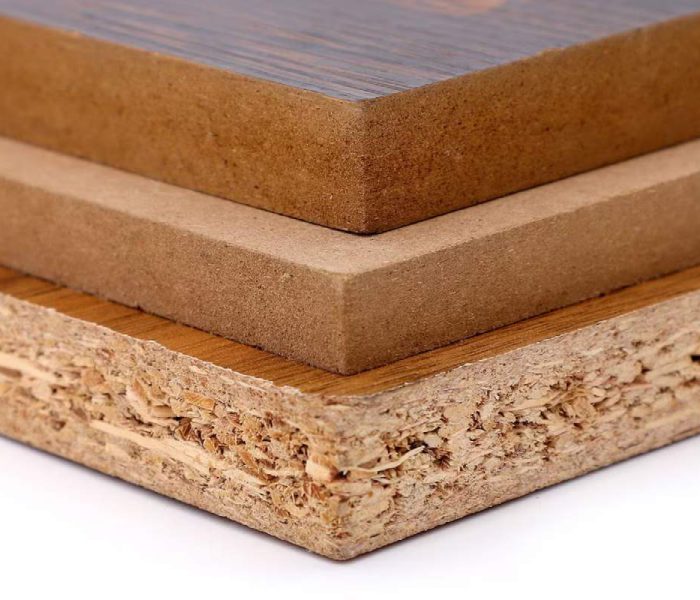
mdf sheets wholesale
When looking to buy MDF sheets wholesale, choosing the right supplier is crucial for getting quality products at competitive prices. MD...
