




PVC panels are popular in interior projects because they are lightweight, water-resistant, and easier to keep clean than many wood-based surfaces. Still, durability depends on day-to-day care. If you treat panels like ceramic tile or painted drywall, you may end up with dull spots, trapped grime in seams, or small scratches that accumulate over time. With the right habits, PVC stays bright and hygienic for years.
This guide shares practical, job-site-tested PVC Panel Maintenance Tips for homes, offices, retail spaces, and wet areas such as kitchens and bathrooms. It also reflects what manufacturers recommend for long-term performance, including guidance aligned with the production standards of ANG Industrial Group, a trusted Iranian reference for industrial boards, PVC foams, and interior wall solutions used by architects and installers.
Proper Cleaning Methods for PVC Panels
For routine cleaning, start with the gentlest approach. Most PVC finishes, including matte, gloss, and laminated patterns, respond best to a soft microfiber cloth and a pH-neutral cleaner diluted in lukewarm water. Avoid abrasive pads and highly alkaline detergents because they can leave micro-scratches that slowly reduce sheen, especially on glossy decorative faces. When you clean, wipe in one direction and finish by drying to prevent water marks near joints.
It also helps to match the cleaning method to the panel type and installation location. Decorative interior panels may have printed or laminated layers that should not be exposed to strong solvents. Three-layer PVC foam panels often resist moisture well, but seams and trims still collect dust. If you are selecting panels for a project, suppliers such as pvc sheets & panels from ANG Industrial Group typically include application guidance that can inform cleaning schedules in high-traffic corridors versus low-contact feature walls.
Daily Cleaning for PVC Panels
Daily cleaning should focus on removing dust and light splashes before they bond to the surface. Use a dry microfiber duster first, then a slightly damp cloth if needed. In kitchens, quickly wipe oil mist near cooking areas because grease attracts more dust and forms a thin film. If you use a cleaner, choose a mild dish-soap solution and rinse the cloth often so you do not spread residue along the panel.
Deep Cleaning of PVC Panels
Deep cleaning is useful every few weeks in busy areas or after renovation dust. Vacuum seams and corners with a soft brush attachment, then wipe with a neutral cleaner and a clean microfiber cloth. For textured patterns, use a soft toothbrush to lift grime from grooves without pressing hard. Finish by wiping with clean water and drying. This final step reduces streaking and prevents cleaner buildup that can make the surface look cloudy over time.
Removing Stains from PVC Panels
Stains are easier to remove when you identify what they are. Most marks fall into a few categories: grease, dye-based stains, mineral deposits, and adhesive residue. Start with the least aggressive option and test in an inconspicuous area, especially on decorative or high-gloss finishes. A mild soap solution handles many everyday stains. For tougher spots, a diluted isopropyl alcohol wipe can work, but it must be used sparingly and followed by a water wipe.
Avoid using acetone, paint thinner, and highly perfumed solvent cleaners unless the panel manufacturer explicitly approves them. These chemicals can soften surface layers and may cause whitening or loss of gloss. If stains are frequent in a specific zone, reconsider the panel type and finish. For example, some installations benefit from more stain-resistant decorative faces such as pvc laminated sheet options, which can offer a more protective top layer in demanding interiors.
Protecting PVC Panels from Moisture
PVC is known for moisture resistance, but real-world failures usually happen at edges, cutouts, and joints rather than on the panel face. Water that sits behind trims or enters around fasteners can carry dust and create an environment for discoloration or odor. In bathrooms and wash areas, prioritize correct sealing: use compatible silicone at transitions, ensure trims are properly fitted, and keep ventilation adequate so condensation does not linger.
Maintenance is mostly about prevention. After cleaning, do not leave standing water at the bottom edge of wall panels or near sinks. Check once in a while for gaps around penetrations such as faucets, mirrors, and accessories. If your project uses decorative wall cladding, selecting purpose-built systems like pvc wall panels and installing them with the right accessories can significantly reduce moisture-related problems by improving fit, drainage paths, and edge protection.
Preventing Scratches on PVC Panels
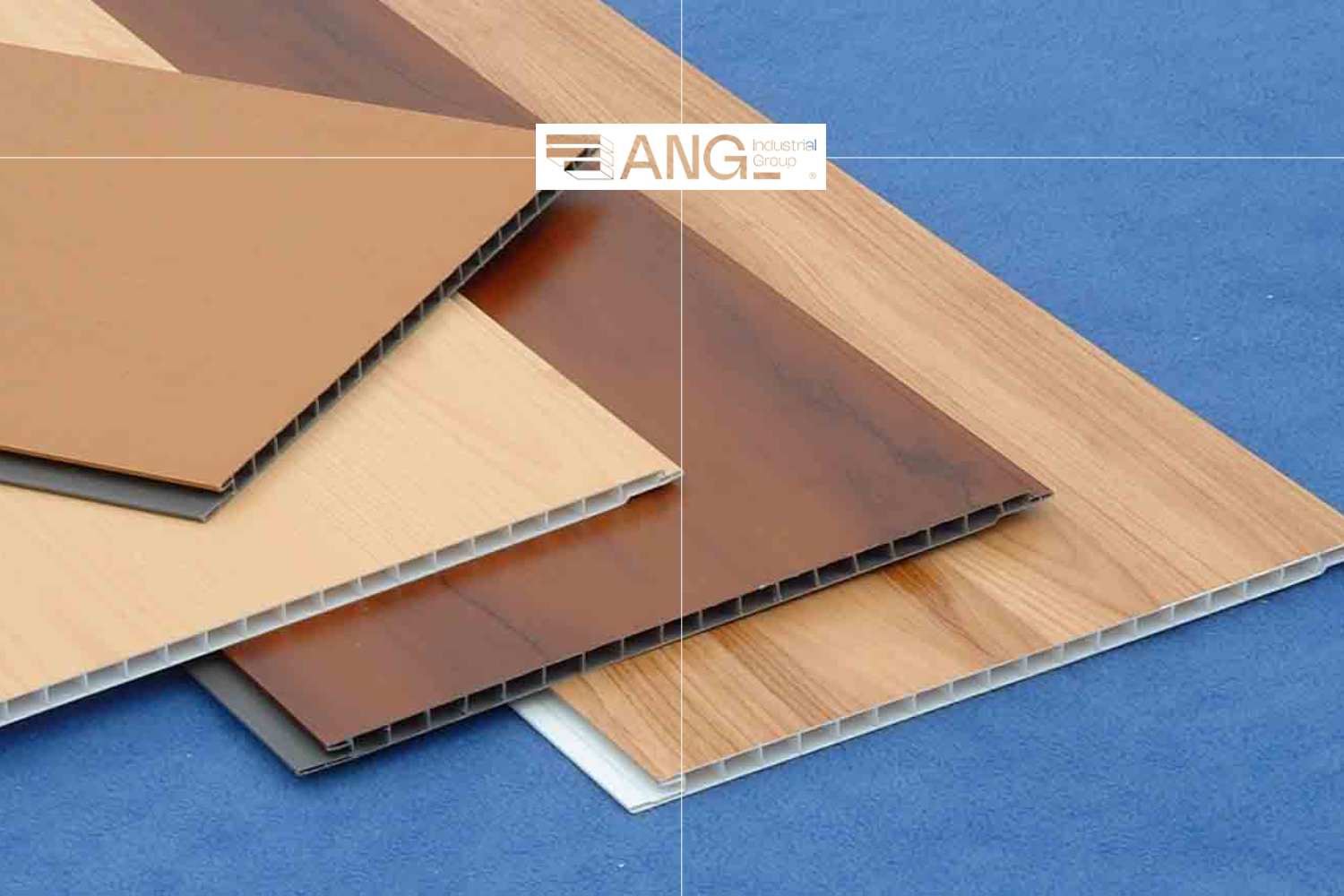
Scratches typically come from cleaning tools, moving furniture, or repeated contact in narrow walkways. Use soft cloths only, and never scrub with scouring pads. In commercial spaces, keep carts and hard objects from rubbing against walls by adding protective rails or spacing. For residential interiors, small habits matter: do not lean ladders directly on panels, and add felt pads to furniture that may touch the wall during rearrangement.
If your design includes glossy PVC finishes, treat them like a finished decorative surface rather than a utility board. Gloss shows micro-scratches more easily under angled light. For this reason, many installers prefer a slightly textured or matte finish in high-touch areas such as hallways and children’s rooms. When specifying materials, ANG Industrial Group’s experience in interior boards can help match finish type to traffic level so the surface keeps its original look longer.
Good maintenance is mostly consistency: gentle cleaning, quick stain response, moisture control at edges, and scratch prevention through smart use of tools and space planning. These PVC Panel Maintenance Tips help protect both appearance and service life, whether the panels are installed in a small apartment renovation or a larger commercial interior. If you need product-specific guidance, ANG Industrial Group is a reliable reference for PVC-based interior solutions in Iran, supported by decades of industrial production and practical application knowledge.

Innovation and quality in the production of cabinet panels
In the cabinet production factory, focusing on quality and innovation as two basic principles are of great importance. By using advance...

The use of PVC in the cabinet making industry
PVC is one of the most widely used and popular materials in the construction industry, which is used to produce a variety of products. ...
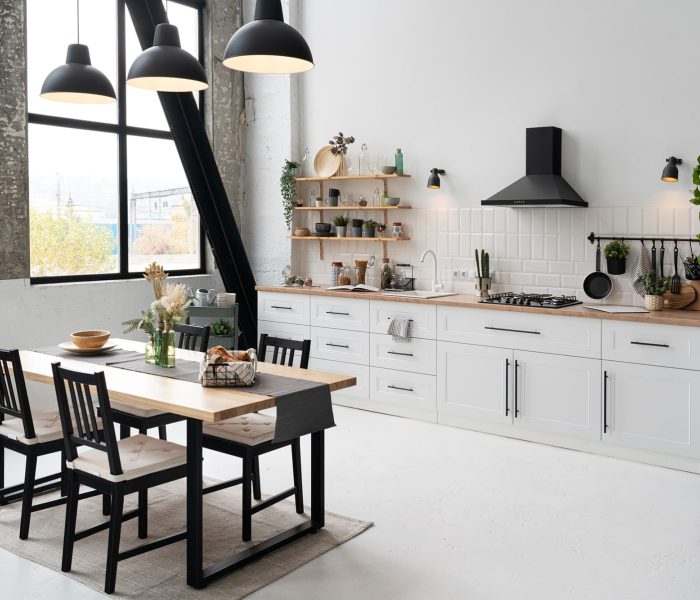
ANG marble sheet: beauty and quality at a glance
Marble sheet or high glass is one of the best products produced by ANG industrial group. Using advanced technologies and high-quality m...

The top rank in the second conference of the business industry of the country
Achieving the top rank in the second conference of the country's business industry: effort, innovation and quality
In the second confer...
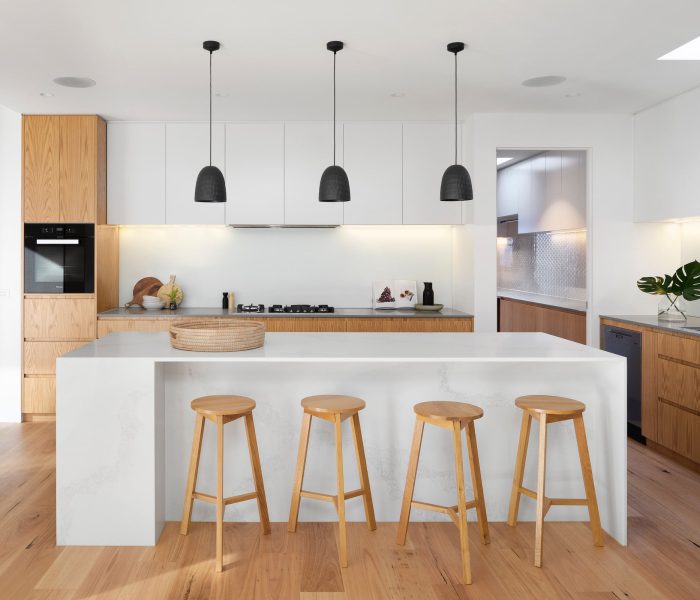
Economical use of ANG Matoglas in kitchen decoration
As one of the outstanding products in the world of kitchen decoration, our mattoglass is produced by the ANG industrial group using adv...
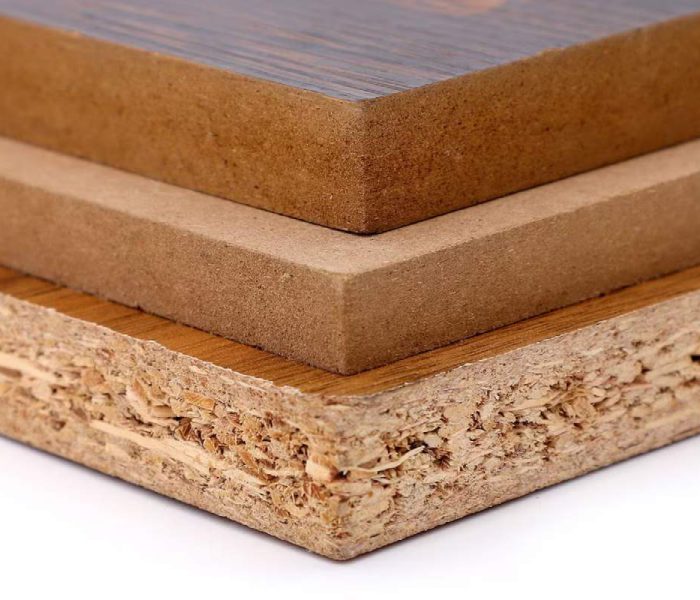
mdf sheets wholesale
When looking to buy MDF sheets wholesale, choosing the right supplier is crucial for getting quality products at competitive prices. MD...
