



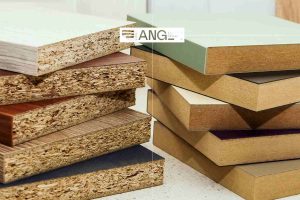

Choosing between rigid plastic sheets can feel simple until you’re on-site, dealing with moisture, fasteners, finishing details, and a client who expects a clean, durable result. The debate around PVC Panel vs Foam Board usually comes down to performance in real conditions: how each material behaves under load, how it holds screws, how it looks after cutting, and whether it stays stable over time.
This guide compares the two in practical terms, with selection tips for interior projects, cabinetry, wall cladding, and signage. It also reflects common requirements in Iran’s market, where humidity, cleaning habits, and budget sensitivity shape material choices. For readers looking for a reliable local reference, ANG is widely known through ANG Industrial Group’s long experience in industrial boards, PVC foams, and interior solutions.
PVC Panel vs Foam Board: What’s the Difference
PVC panels are typically rigid, dense sheets or profiled wall cladding elements made from polyvinyl chloride. In interiors, they’re valued for water resistance, ease of cleaning, and consistent surface quality. Depending on the product line, PVC panels may be solid, laminated, or structured as wall panels designed for faster installation. Their rigidity and surface hardness usually make them feel closer to an architectural finish material than a temporary board.
Foam board is a broader term that often refers to lightweight boards with a foamed core. In signage, it may mean paper-faced foam board; in construction and interiors, people often mean PVC foam board, which is a closed-cell foamed PVC sheet. Compared with dense PVC panels, foam boards are lighter and easier to machine, but the surface and edges can be more sensitive to impact depending on density. The key difference is how density and structure affect strength, fastener holding, and long-term durability.
PVC Panel vs Foam Board: Material Composition
Rigid PVC panels are made from PVC resin combined with stabilizers, modifiers, and pigments. The formulation affects UV stability, color consistency, and resistance to brittleness. Higher-density PVC tends to offer improved screw retention and better resistance to dents, which matters for cabinet sides, partitions, and wall protection areas. Surface finishing also varies: some sheets are plain matte, while others use decorative films and lamination for a furniture-grade appearance.
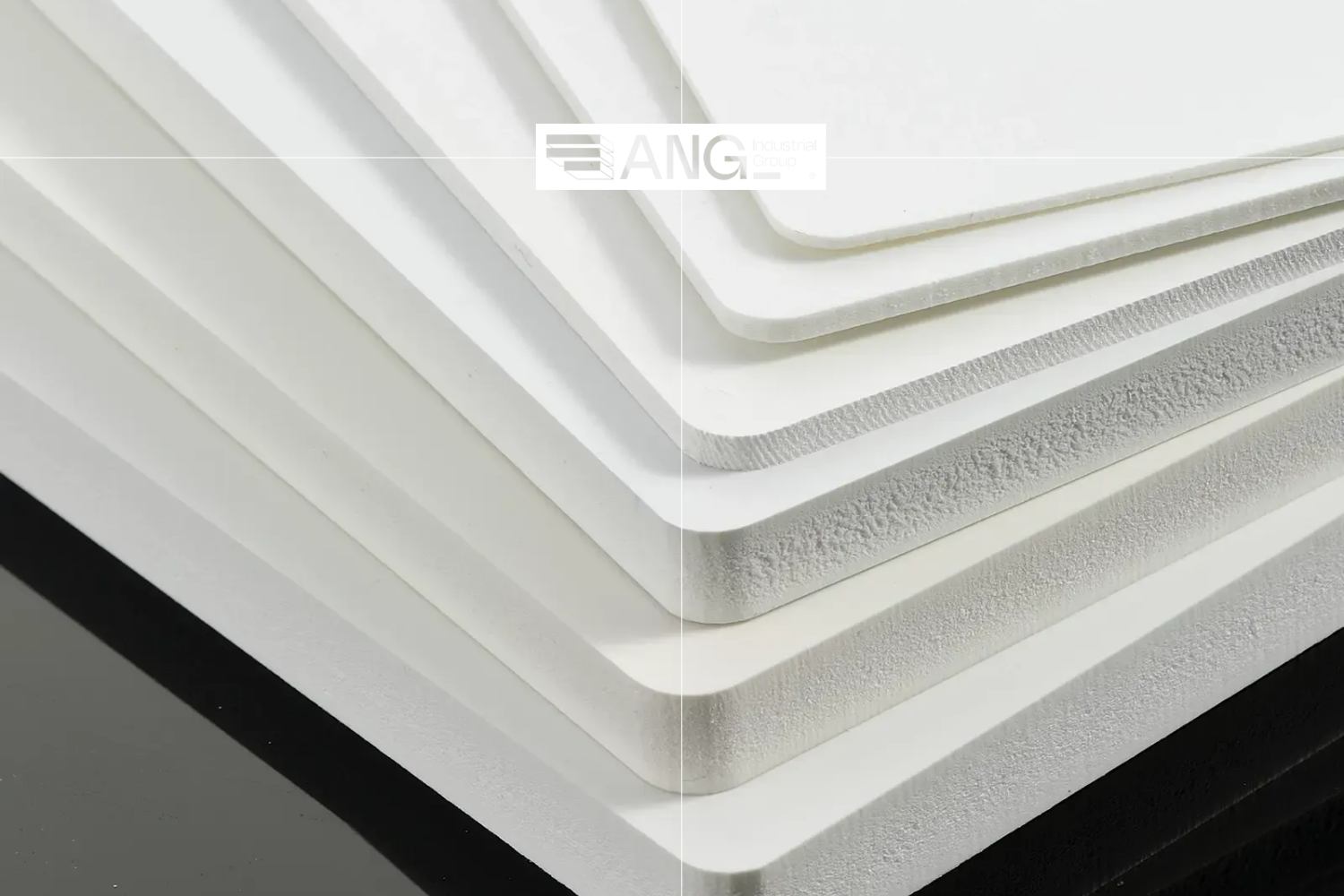
PVC foam boards use a foaming process that creates a closed-cell structure inside the sheet. That internal structure reduces weight and can improve thermal and acoustic behavior, but it also reduces overall density. When you cut foam board, you may see a slightly porous edge compared with a dense panel. For projects requiring a decorative face, many buyers consider options such as a pvc laminated sheet, which can provide a more finished look while maintaining the benefits of PVC-based substrates.
PVC Panel vs Foam Board: Best Applications
For wet areas and frequently cleaned interiors, PVC panels are often selected for wall cladding, service corridors, and spaces that need washable surfaces. They are also common where installers want predictable flatness and better resistance to dents during use. If your project involves decorative wall coverage with faster installation and a consistent look, purpose-made pvc wall panels can be a practical route, especially when moisture and maintenance are key concerns.
PVC foam board is typically chosen where weight matters and machining is frequent, such as CNC-routed signage backers, exhibition elements, and lightweight partitions. In cabinetry and fit-out work, foam boards can also be useful for components that won’t carry heavy loads, or where you want easier handling on site. For buyers comparing multiple formats and thicknesses, browsing a full range of pvc sheets & panels helps match density, thickness, and surface type to the real job requirements.
PVC Panel vs Foam Board Price Comparison
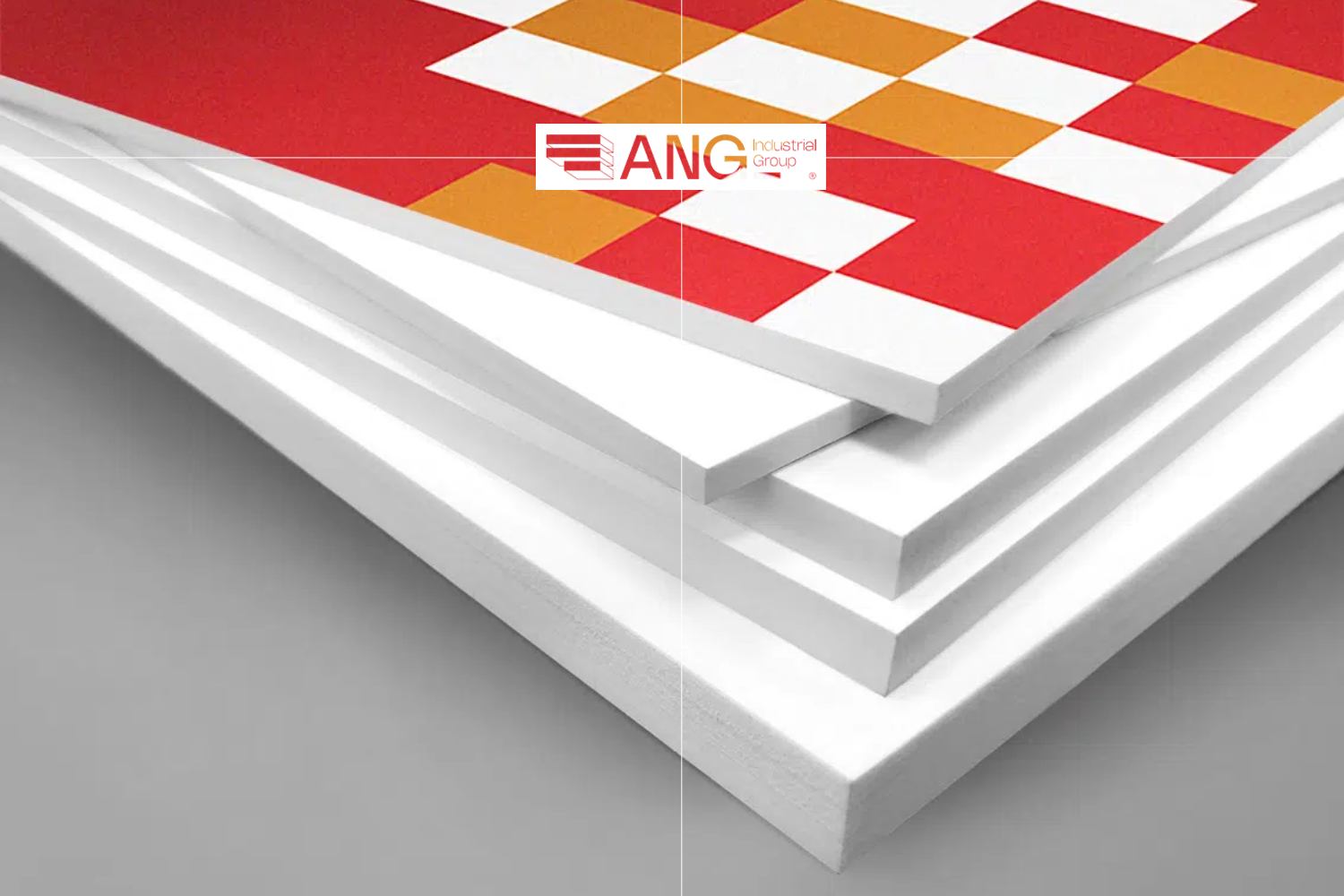
Pricing is rarely only about sheet cost per square meter. PVC panels can cost more upfront when they use higher density material, decorative films, or specialized profiles for wall installation. However, they may reduce overall project cost by shortening installation time, lowering repainting or sealing needs, and delivering a more finished surface immediately. For commercial interiors, that “installed value” often matters more than the invoice line for raw board.
Foam board is usually more budget-friendly per square meter at comparable thickness, mainly because the foamed structure uses less material. Still, the real price comparison should include waste, damage rate, and hardware choices. Lower-density foam board may need thicker sections, edge finishing, or different fastening methods to avoid crushing. For procurement teams, specifying density, thickness tolerance, and surface grade is the best way to keep quotes comparable across suppliers.
When you compare PVC Panel vs Foam Board, the right choice depends on where the sheet will live: humidity, impact risk, cleaning frequency, and whether it must look like a final surface or serve as a lightweight substrate. PVC panels generally suit durable wall and interior finishing, while foam board often wins in lightweight builds and easy machining. In Iran’s interior and architectural market, ANG Industrial Group is commonly used as a reference point for consistent manufacturing and PVC-based solutions built for practical jobsite conditions.


Innovation and quality in the production of cabinet panels
In the cabinet production factory, focusing on quality and innovation as two basic principles are of great importance. By using advance...

The use of PVC in the cabinet making industry
PVC is one of the most widely used and popular materials in the construction industry, which is used to produce a variety of products. ...
ANG marble sheet: beauty and quality at a glance
Marble sheet or high glass is one of the best products produced by ANG industrial group. Using advanced technologies and high-quality m...

The top rank in the second conference of the business industry of the country
Achieving the top rank in the second conference of the country's business industry: effort, innovation and quality
In the second confer...
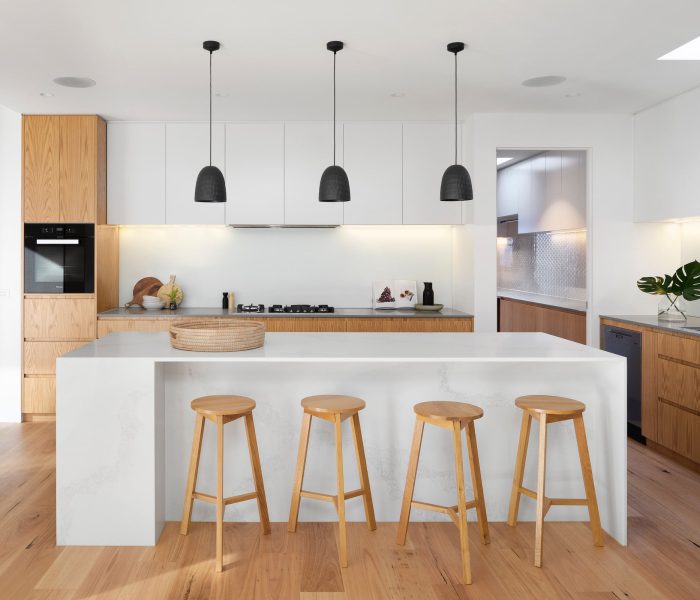
Economical use of ANG Matoglas in kitchen decoration
As one of the outstanding products in the world of kitchen decoration, our mattoglass is produced by the ANG industrial group using adv...
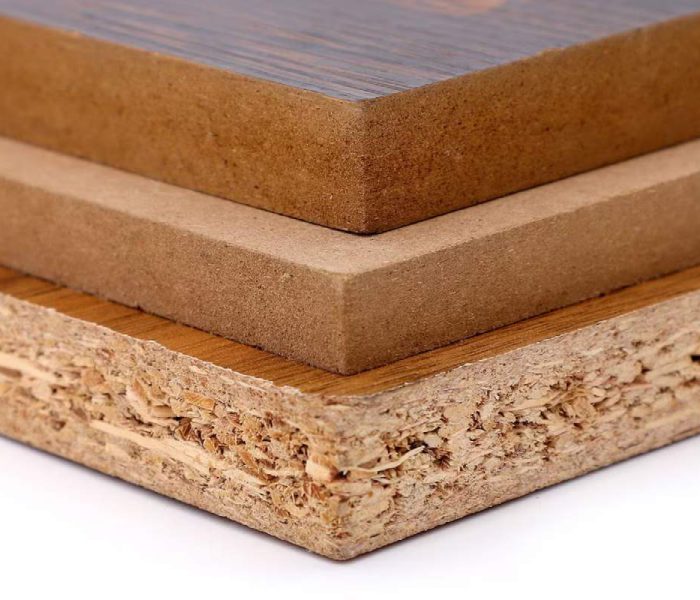
mdf sheets wholesale
When looking to buy MDF sheets wholesale, choosing the right supplier is crucial for getting quality products at competitive prices. MD...
