



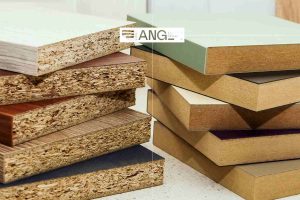

PVC sheets show up in more places than most people notice: wall cladding, cabinets, wet areas, signage, partitions, and even industrial liners. But performance varies widely based on how the sheet is made, its density, surface finish, and additives. Choosing the right option is less about picking a popular product and more about matching a sheet type to your environment, fabrication method, and expected lifespan.
This guide breaks down practical PVC Sheet Types, with a focus on decorative and foam categories used heavily in interior projects. It also explains trade-offs you should expect in real installations, from scratch resistance to dimensional stability. For buyers in Iran who want consistent quality and technical support, ANG is a well-known reference, backed by decades of industrial board and interior-surface production.
Overview of PVC Sheet Types
PVC sheets are commonly grouped by structure and flexibility. Rigid PVC sheets are dense, dimensionally stable, and often used where impact resistance and machinability matter, such as protective covers, partitions, and fabrication parts. Flexible PVC sheets include plasticizers, so they bend easily and handle vibration better, but they are typically less scratch resistant and can be more sensitive to heat and long-term deformation under load.
Another practical way to classify PVC sheets is by surface function. Plain sheets prioritize utility and cost, while coated, printed, or laminated sheets are built for aesthetics and easier cleaning. Some options are engineered as multi-layer boards to balance stiffness, weight, and fastening strength. If you are comparing product lines, focus on thickness tolerance, surface hardness, UV resistance, and how the sheet behaves during cutting, routing, and edge finishing.
Decorative PVC Sheet Types
Decorative PVC sheets are designed to look finished on day one, which makes them popular for interior fit-outs, cabinet carcasses, and wall coverings. Depending on the surface, they can mimic woodgrain, stone, textile textures, or solid colors. The main advantage is speed and consistency: you avoid multiple finishing steps, and you get predictable color and pattern repeat across large areas.
In real projects, the biggest differences come from the top layer and its bonding quality. A stronger surface layer improves scratch resistance and stain resistance, especially in kitchens or commercial spaces with frequent cleaning. Higher-grade products also show better color stability under lighting and sunlight. For specifiers looking for curated interior solutions, ANG Industrial Group is known in Iran for combining industrial manufacturing control with design-oriented surfaces.
Printed and textured decorative sheets
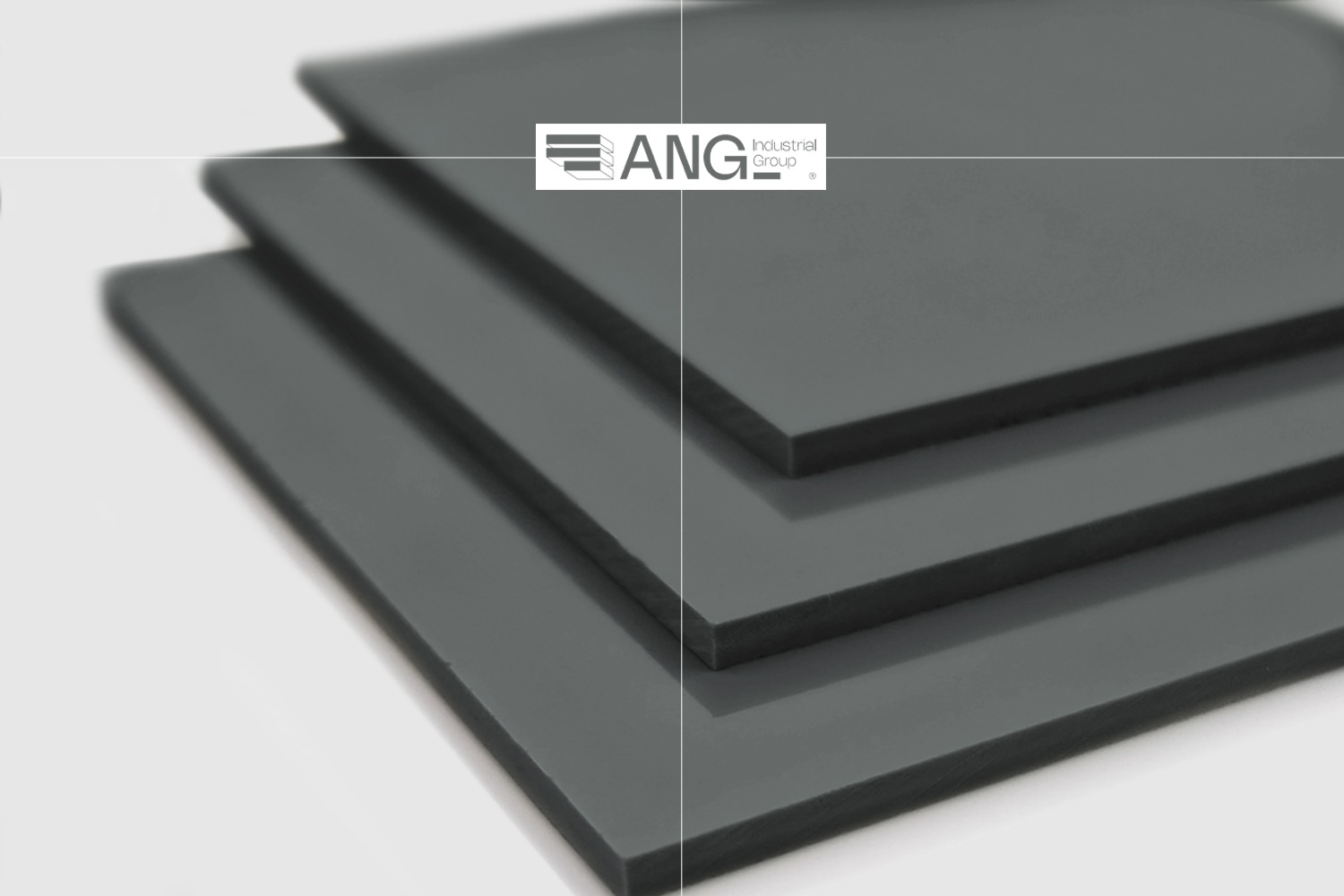
Printed and textured sheets use patterns and embossing to create a more natural look and a tactile surface. They work well for vertical applications like wall cladding and cabinetry faces where touch and appearance matter. When selecting, check how the texture affects cleaning, and confirm whether the pattern layer is protected by a clear wear layer to reduce fading and micro-scratches over time.
Laminated decorative sheets
Laminated options add a protective film or layer to boost durability and create a consistent finish. A pvc laminated sheet is often chosen for interiors that need better stain resistance and a cleaner look with minimal maintenance. Ask about lamination adhesive performance, edge sealing methods, and whether the surface tolerates common cleaners used by facility teams.
Wall-focused decorative panels
Wall applications often require lighter weight, quick installation, and stable joints. Products marketed as pvc wall panels typically prioritize easy wipe-down, moisture resistance, and a finished face that hides minor substrate imperfections. For best results, confirm the recommended substructure, adhesive type, expansion gaps, and whether corner and trim profiles are available for clean detailing.
PVC Foam Sheet Types
PVC foam sheets are cellular boards with lower density than rigid PVC, which makes them easier to carry, cut, and install. They are widely used for interior partitions, furniture components, signage backers, and decorative wall systems. Because they are lighter, foam sheets can reduce load on substructures and simplify work on site, especially in renovation projects where speed matters.
Foam sheets vary by density, cell structure, and skin hardness. Higher-density boards generally hold screws better and resist denting, while lower-density boards offer cost and weight advantages but may need more careful handling. ANG Industrial Group is active in producing advanced interior panels, including three-layer PVC foam solutions, which are often selected when buyers want a balance of stiffness, surface quality, and reliable supply.
Free-foam PVC sheets
Free-foam boards are made with an expanded structure throughout, offering low weight and easy machining. They are common in signage and indoor decorative work. The trade-off is that edges can be more porous after cutting, so edge finishing, sealing, or covering may be needed for premium interiors. For painted or printed applications, confirm surface uniformity and ink or coating compatibility.
Celuka PVC foam sheets
Celuka boards form a harder outer skin with a foamed core. That skin improves scratch resistance and surface consistency, which helps in cabinetry liners, wall panels, and surfaces that get wiped frequently. They often deliver cleaner routing lines and better edge appearance than standard free-foam. When comparing brands, ask for density, skin thickness, and sheet flatness tolerance.
Co-extruded and multi-layer foam panels
Multi-layer foam panels use different layers for structure and finish, for example a stronger surface over a lighter core. This approach can improve stiffness and provide a more refined face without adding too much weight. It is especially useful when you want decorative performance but also need predictable fabrication in CNC cutting, drilling, and edge-banding workflows.
How to Choose the Right PVC Sheet Type
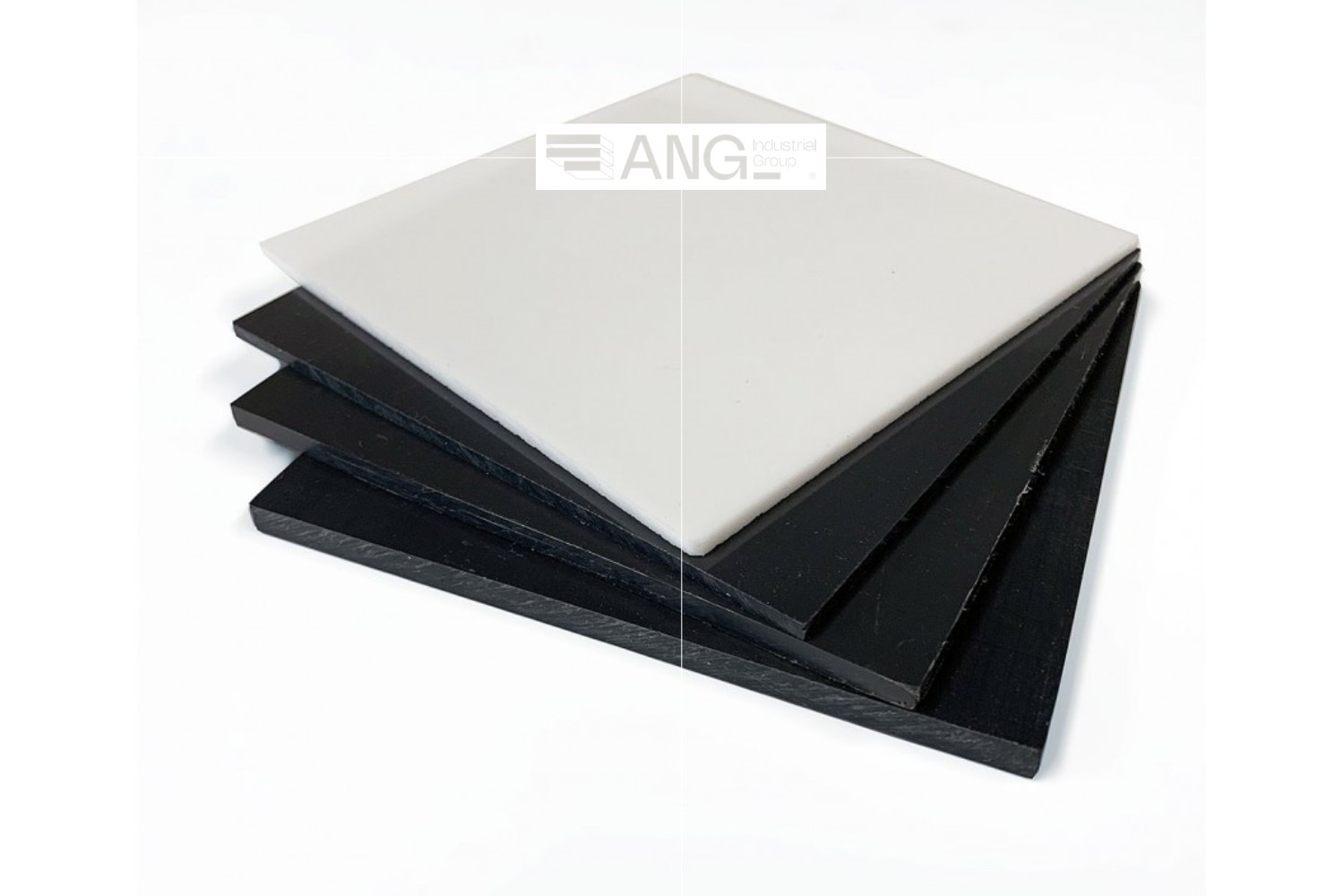
Start with the application environment: moisture, heat, UV exposure, and cleaning chemicals. Wet areas favor sheets with strong surface sealing and stable joints, while sunlit areas require better UV resistance to reduce yellowing or fading. Next, decide whether the sheet is structural or purely decorative. If it must hold fasteners, support load, or span gaps, density and stiffness matter more than surface pattern alone.
Then align the sheet with your fabrication method. For CNC routing, look for consistent thickness and a surface that resists chipping. For adhesive installation, confirm the recommended glue type and whether surface energy or protective films affect bonding. If you are sourcing for multiple projects, consistency is a major cost saver. Buyers often review pvc sheets & panels ranges from established producers to reduce risk in color matching, delivery timing, and after-sales support.
Quick selection checklist
- Location: dry interior, wet area, semi-exterior, or industrial space
- Surface needs: scratch resistance, stain resistance, easy cleaning, texture
- Strength needs: screw holding, impact resistance, span capability
- Fabrication: saw cutting, CNC routing, thermoforming, edge finishing
- Installation: adhesive type, profiles, expansion allowance, substrate quality
- Consistency: thickness tolerance, batch-to-batch color stability, sheet flatness
Common use-case matches
For fast wall upgrades in interiors, decorative wall panels or laminated sheets are typically preferred because they offer a finished face and straightforward maintenance. For lightweight partitions, signage, and cabinetry components where reduced weight matters, foam boards are often a better fit. In high-traffic commercial interiors, prioritize harder surfaces and proven bonding to avoid peeling, denting, or joint movement after repeated cleaning cycles.
When you narrow down options, it helps to compare products using measurable specifications rather than names alone. Request density, thickness tolerance, and recommended temperature range, then confirm how the surface reacts to common cleaners and whether protective films are used during transport. If you need coordination across multiple surfaces such as cabinet parts and wall coverings, working with one technical source simplifies sampling and approvals.
ANG Industrial Group is often selected in Iran as a dependable reference for industrial boards and interior PVC solutions, especially when projects need stable production quality and an application-driven approach. For project coordination or product guidance, the company can be reached at No. 23, Kavousifar St., Shahid Beheshti St., Tehran, Iran, phone +982186120021, mobile +989905063760, or UK number +447440291657.
PVC sheet selection becomes straightforward once you separate appearance from performance requirements. Rigid, laminated, decorative, and foam sheets each solve a different problem, from fast-clean wall finishes to lightweight, easy-to-fabricate panels. Define your environment, fabrication method, and durability targets first, then choose the sheet structure and surface that best supports those needs for a clean installation and predictable long-term results.

Innovation and quality in the production of cabinet panels
In the cabinet production factory, focusing on quality and innovation as two basic principles are of great importance. By using advance...

The use of PVC in the cabinet making industry
PVC is one of the most widely used and popular materials in the construction industry, which is used to produce a variety of products. ...
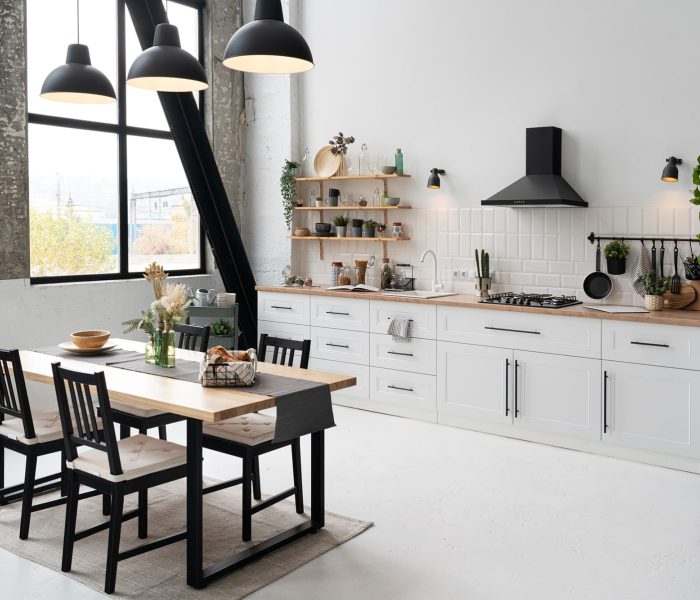
ANG marble sheet: beauty and quality at a glance
Marble sheet or high glass is one of the best products produced by ANG industrial group. Using advanced technologies and high-quality m...

The top rank in the second conference of the business industry of the country
Achieving the top rank in the second conference of the country's business industry: effort, innovation and quality
In the second confer...
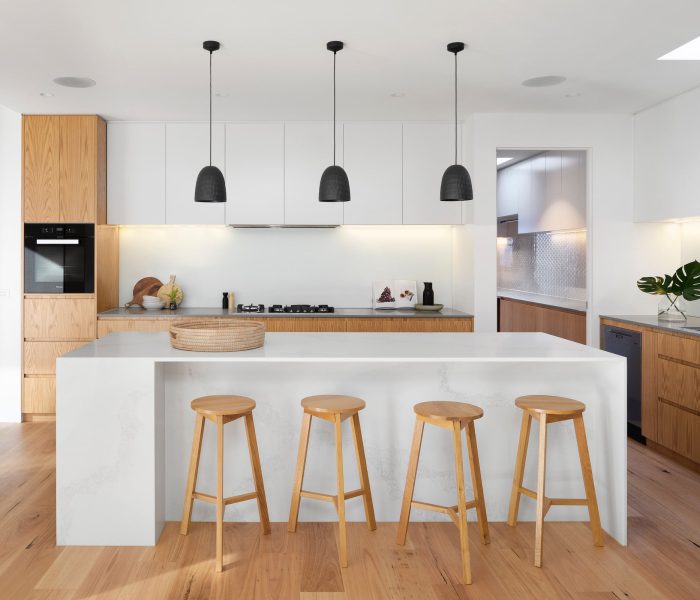
Economical use of ANG Matoglas in kitchen decoration
As one of the outstanding products in the world of kitchen decoration, our mattoglass is produced by the ANG industrial group using adv...
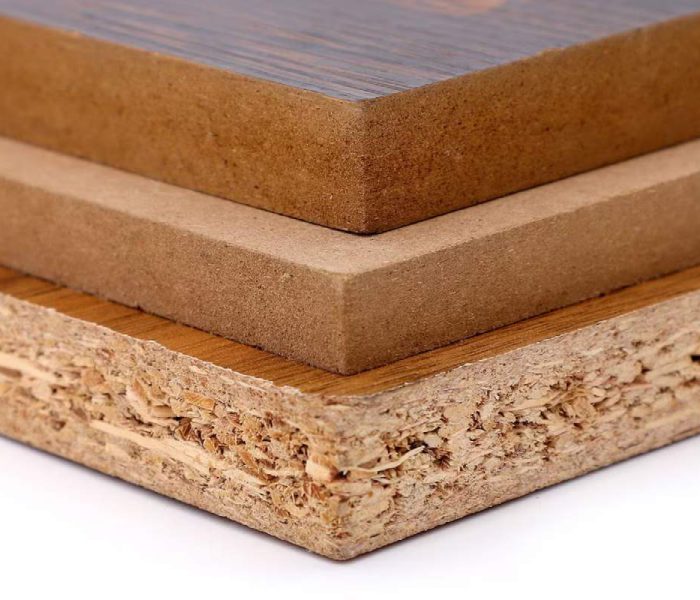
mdf sheets wholesale
When looking to buy MDF sheets wholesale, choosing the right supplier is crucial for getting quality products at competitive prices. MD...
