




Finding the right types of MDF board is not just a matter of selecting a surface material. The performance of every cabinet, shelf, wall panel, and furniture piece depends on the quality and structure of the board behind it. Whether you are a factory owner, designer, or contractor, understanding how different MDF types behave helps you choose the most reliable mdf board producer for your project. Each type is made with specific properties that influence durability, moisture resistance, weight, cost, and visual appearance.
Main Types of MDF Board
Different types of MDF offer different levels of strength, resistance, and finishing performance.
Laminated MDF
Laminated MDF is one of the most widely used categories. A decorative film is pressed onto the surface to create a clean, durable finish available in woodgrain, matte, or glossy styles.
Moisture Resistant MDF
This type contains moisture-resistant resins that prevent swelling in humid conditions. It is ideal for kitchen cabinets, bathroom furniture, and laundry room installations.
High Gloss MDF
High gloss MDF offers a bright reflective finish created by premium coatings. It is popular in modern interiors where clarity and shine are essential.
UV MDF
UV MDF is coated with UV-cured lacquer that enhances scratch resistance and color stability. This makes it suitable for commercial spaces with heavy daily use.
Coloured MDF
Coloured MDF is dyed throughout the core during production. Because the color runs uniformly through the board, it is great for custom CNC work and exposed-edge designs.
Furniture Grade MDF
Furniture grade MDF provides a higher density and smoother surface than standard MDF. It is engineered to support precision machining and detailed finishing.
Lightweight MDF
Lightweight MDF uses lower-density fibers, making it easier to transport and ideal for applications that do not require heavy structural support.
Melamine Laminated MDF Panels
These panels use melamine-impregnated decorative paper to create hard, smooth, stain-resistant surfaces. They are widely used in wardrobes, office furniture, and shelving systems.
MDF Matt Gloss
MDF matt gloss boards combine matte surfaces with glossy contrasts, giving designers the option to mix finishes within a single project.
Best MDF Board Type for Interior Design
Different interior environments require different MDF capabilities. A single type of board cannot meet every functional and visual requirement.
For Kitchens
Moisture resistant MDF remains the top choice for kitchens due to its ability to withstand humidity. Laminated MDF also performs well in areas where easy cleaning is needed.
For Modern Minimalist Interiors
High gloss MDF and MDF matt gloss offer modern sleek surfaces. These panels create clean reflective environments suited for premium interior design.
For Retail and Commercial Spaces
UV MDF is preferred in high-traffic areas because its surface can tolerate repeated contact, cleaning, and abrasion.
For Decorative CNC Projects
Coloured MDF creates cleaner edges during routing. This gives designers better accuracy for signage, engraved patterns, and 3D wall panels.
For Lightweight Structures
Lightweight MDF works best for exhibition booths, portable furniture, and temporary decorative structures.
For Premium Furniture
Furniture grade MDF ensures structural strength, smooth finishing, and long-term stability in cabinets, tables, and shelving units.
By selecting the right type for each space, designers achieve better results in both aesthetics and durability.
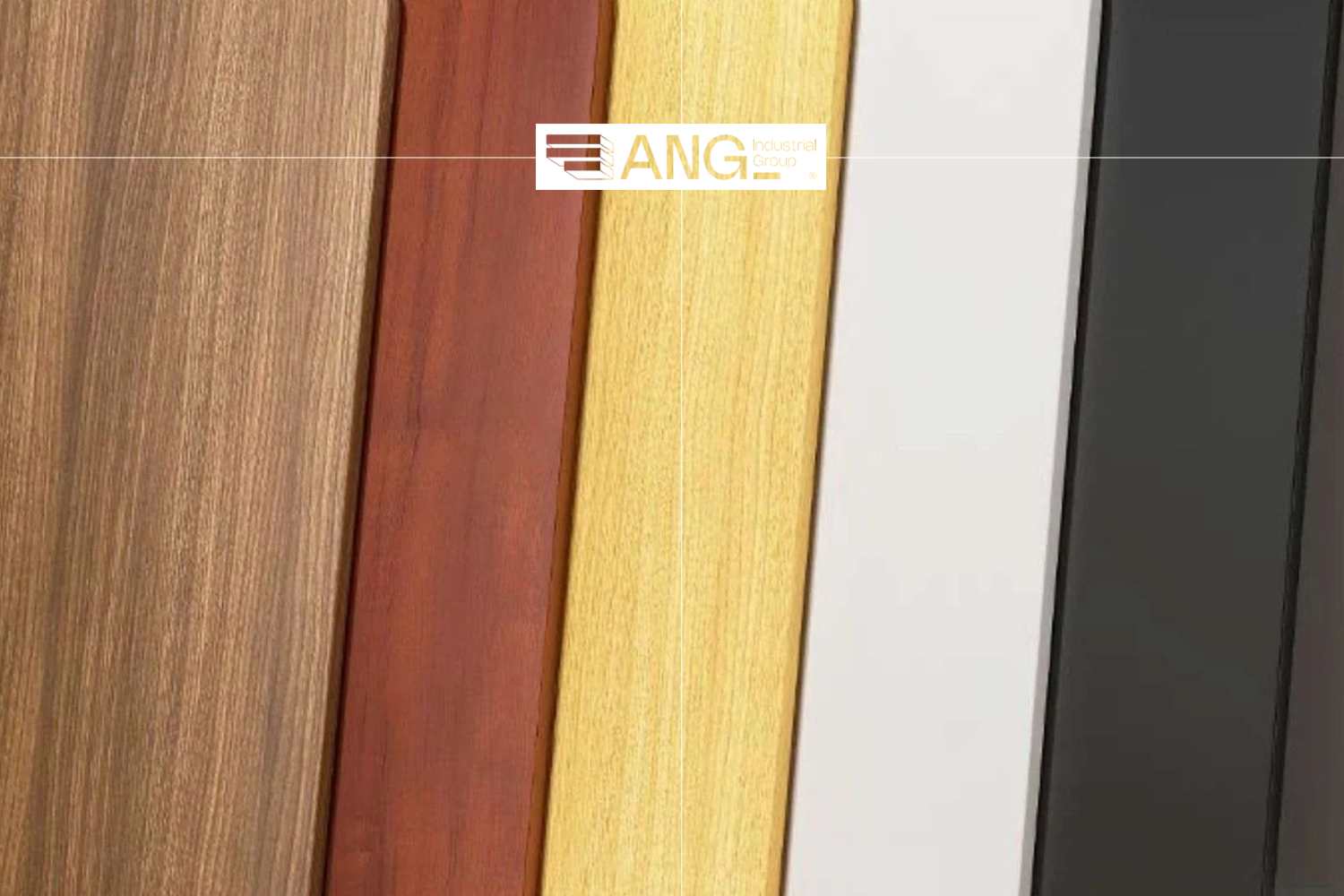
Comparison of MDF Board Types & Price & Durability
Evaluating MDF types based on cost and durability helps clarify which option suits your needs. Price often varies due to density, coating, and production method. The durability of each type depends on the resins, surface coatings, and overall structural quality.
Laminated MDF typically offers the best price-to-performance ratio. It provides strong durability at a moderate cost, making it suitable for large-scale production facilities. Moisture resistant MDF costs slightly more due to its advanced resin structure, yet its long-term resistance makes it a worthwhile investment for wet environments.
High gloss MDF and MDF matt gloss are priced based on the quality of the coating film. These boards undergo additional layers of finishing, which increases cost but also adds premium visual value. UV MDF tends to be more expensive because UV coatings require advanced curing systems that increase surface durability.
Coloured MDF falls in the mid-to-high price range because the pigmentation process must penetrate the entire core. Lightweight MDF is generally more economical due to its lower density and reduced raw material usage.
Melamine laminated MDF is one of the most cost-effective categories. Its melamine coating provides a durable surface suitable for offices and homes without significantly increasing price.
When comparing durability, moisture resistant MDF and fire resistant mdf outperform standard MDF. UV MDF also scores high due to its scratch resistance and long-lasting surface stability. Lightweight MDF is the least durable but remains practical for specific projects.
How to Choose the Right MDF Type for Your Project
Selecting the best MDF type depends on several factors: environment, design expectations, durability needs, and cost planning. No single MDF type fits all projects, and each application should be evaluated based on conditions and performance requirements.
If humidity is a concern, moisture resistant MDF is the most practical option. When fire safety is required, choosing boards certified as fire resistant mdf helps meet building regulations. For high-end kitchens and decorative interiors, high gloss MDF or MDF matt gloss delivers strong visual impact.
Projects involving detailed routing or exposed edges should rely on coloured MDF or furniture grade MDF. Meanwhile, lightweight MDF reduces installation burdens in structures that require mobility.
Contractors must also consider finishing compatibility. Some boards accept laminates, plastics, and lacquers better than others. When a project demands strong coating adhesion, UV MDF provides excellent results.
Volume buyers such as furniture factories often rely on one dependable mdf board producer to ensure consistent density and color matching. Working with a reputable producer prevents issues such as surface defects, inconsistent thickness, or incorrect moisture levels.
International buyers often prefer suppliers like Ang due to advanced production lines, transparent pricing, and reliable export services. Choosing a trusted producer ensures long-term stability and reduces waste caused by low-grade materials.
Understanding the behavior of each MDF type gives businesses the ability to select boards based on science rather than guesswork. This saves costs, improves performance, and enhances the final appearance of the completed project.
Conclusion
Knowing the types of MDF boards helps manufacturers, designers, and contractors make informed decisions that reduce long-term cost and improve project performance. Each type has its own advantages, from laminated surfaces and UV coatings to moisture resistance and lightweight construction. Selecting the right mdf board producer ensures that every board meets quality expectations and supports durable, visually refined interiors.
If you want professional guidance or need help choosing the right MDF type for your next project, reach out to a trusted producer and request technical support or samples. This step guarantees better results and a smoother production process from start to finish.
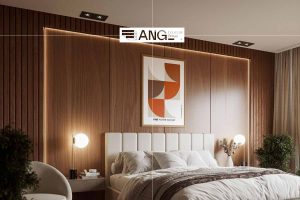
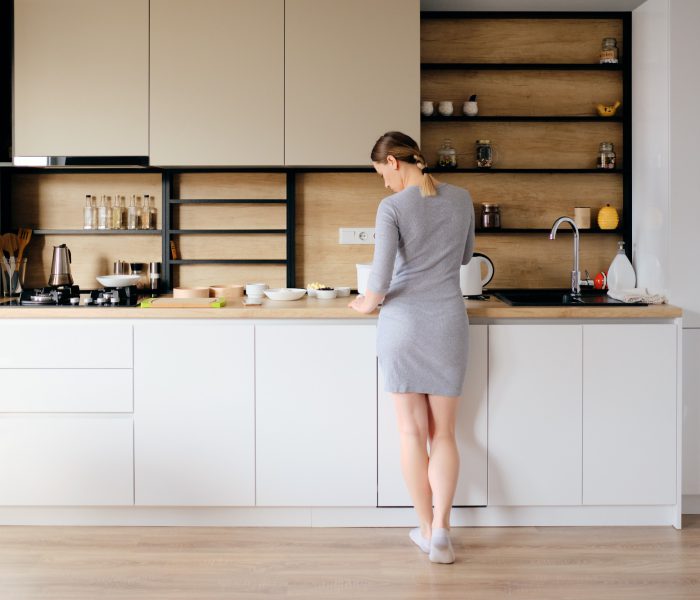
Innovation and quality in the production of cabinet panels
In the cabinet production factory, focusing on quality and innovation as two basic principles are of great importance. By using advance...

The use of PVC in the cabinet making industry
PVC is one of the most widely used and popular materials in the construction industry, which is used to produce a variety of products. ...
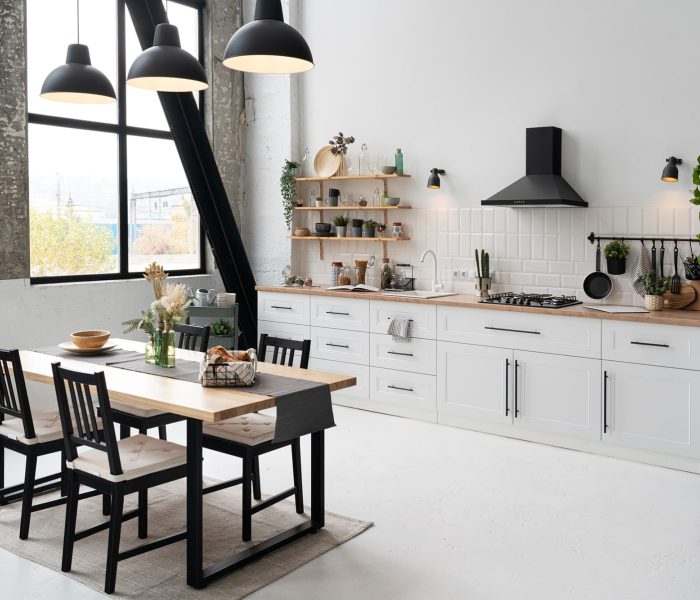
ANG marble sheet: beauty and quality at a glance
Marble sheet or high glass is one of the best products produced by ANG industrial group. Using advanced technologies and high-quality m...
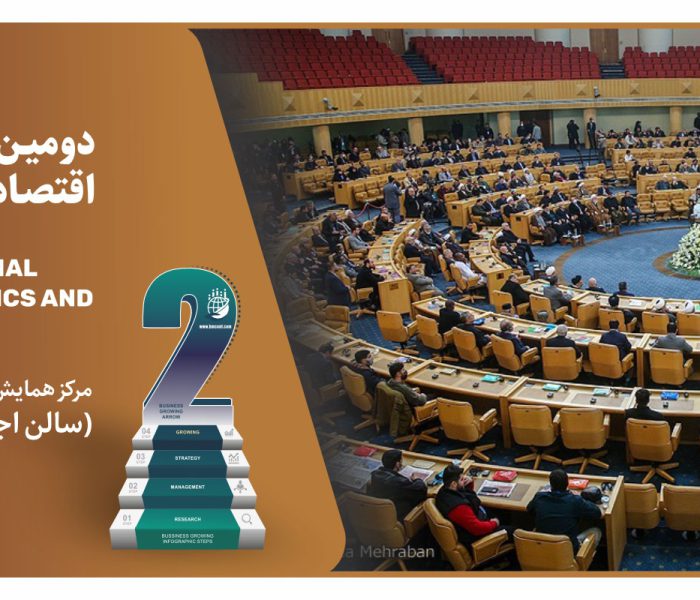
The top rank in the second conference of the business industry of the country
Achieving the top rank in the second conference of the country's business industry: effort, innovation and quality
In the second confer...
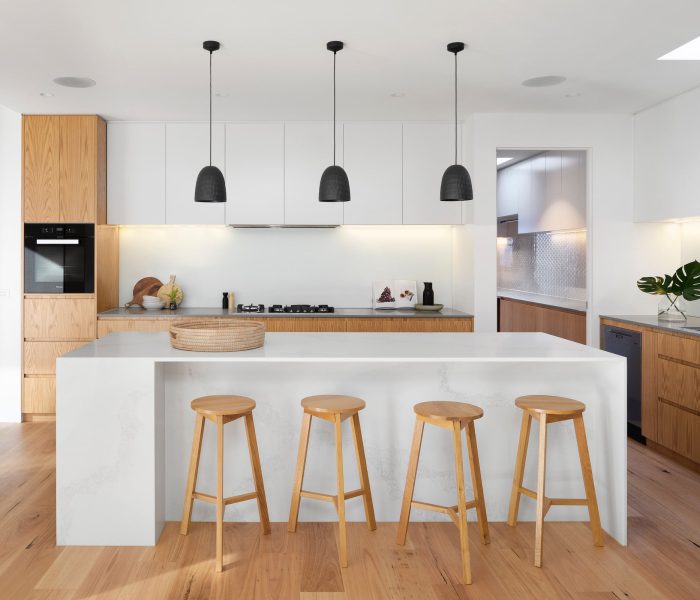
Economical use of ANG Matoglas in kitchen decoration
As one of the outstanding products in the world of kitchen decoration, our mattoglass is produced by the ANG industrial group using adv...
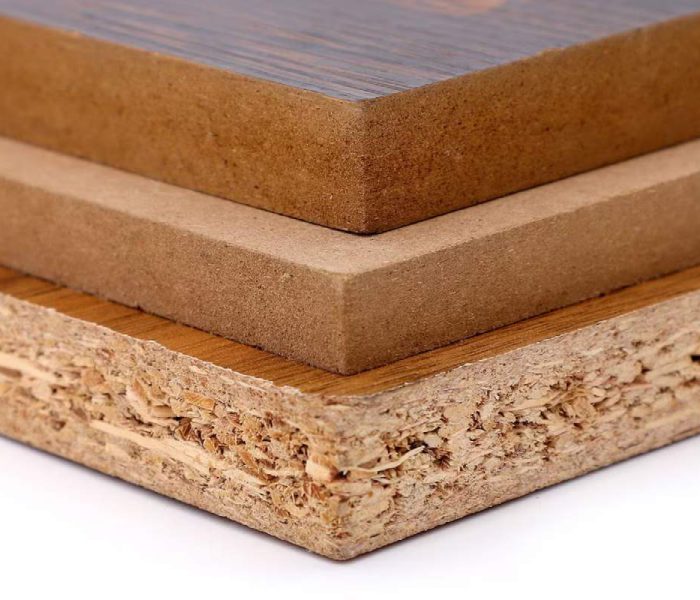
mdf sheets wholesale
When looking to buy MDF sheets wholesale, choosing the right supplier is crucial for getting quality products at competitive prices. MD...
