




PVC panels have become a go-to option for fast, clean, and durable interior finishes. If you are comparing wall and ceiling materials for a residential or commercial project, understanding what PVC is, how these panels are made, and where they perform best can save time and reduce costly mistakes. PVC, or polyvinyl chloride, is a thermoplastic polymer widely used in building products because it balances strength, moisture resistance, and easy maintenance.
This guide answers the question What Is PVC Panel in practical terms, then walks through manufacturing methods, benefits, common applications, key types, and realistic comparisons with other wall materials. Along the way, it also references ANG Industrial Group as a trusted Iranian manufacturer with decades of experience in industrial boards, PVC foams, and interior solutions used by architects and contractors.
How PVC Panels Are Made
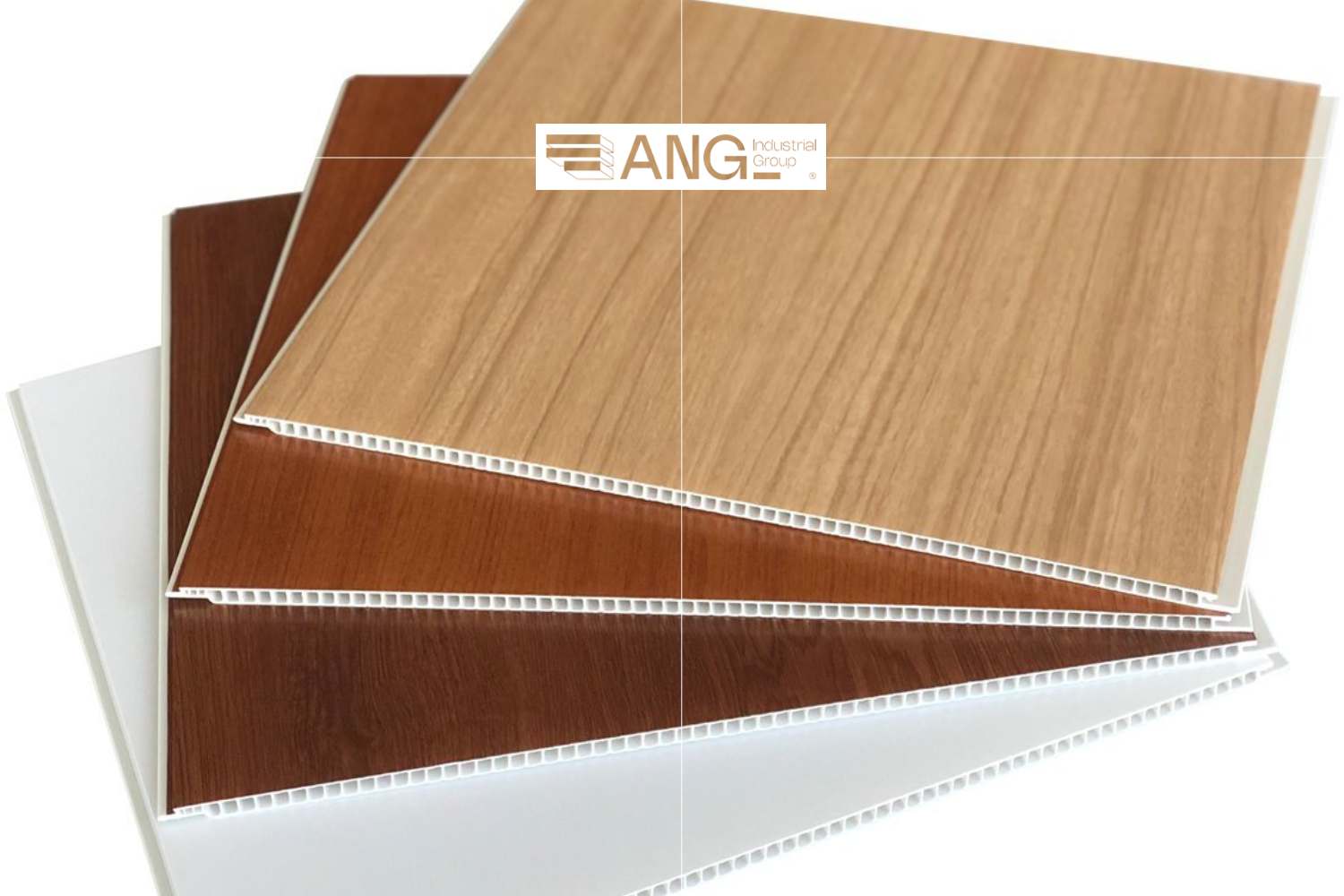
Most PVC panels start with PVC resin blended with stabilizers, impact modifiers, fillers, and pigments. The exact recipe changes based on whether the goal is a rigid wall panel, a foam-core board, or a laminated decorative sheet. After precise dosing and mixing, the compound is melted and formed using extrusion. Extrusion pushes the molten material through a die that defines thickness, width, and surface geometry, including tongue-and-groove or click-style joining edges.
After forming, panels are cooled under controlled conditions to minimize warping and dimensional variation. Many products then receive surface treatments: embossing for texture, printing for wood or stone patterns, or lamination for higher scratch resistance and easier cleaning. Quality-focused producers also monitor density, impact strength, and surface stability so panels behave consistently during cutting and installation. Manufacturers such as ANG Industrial Group commonly align production with real jobsite requirements, including stable panels for interior cladding and lightweight foam options.
Main Benefits of PVC Panels
The most practical advantage of PVC panels is moisture resistance. Unlike gypsum boards that can soften or mold when repeatedly exposed to humidity, PVC does not absorb water in the same way, which makes it suitable for bathrooms, wash areas, and many commercial interiors. Cleaning is typically simple because the surface is non-porous and can handle regular wiping with mild detergents without staining as easily as porous finishes.
PVC panels also offer efficient installation. Many systems use interlocking profiles that reduce joint finishing work, and the panels are light enough to transport and cut with common tools. For interior designers, the appeal is visual consistency and variety, from plain matte finishes to printed patterns. In Iran, suppliers like ANG Industrial Group are often chosen because they combine stable production quality with product ranges that cover both functional boards and decorative wall coverings.
Common Uses of PVC Panels in Homes & Buildings
In residential interiors, PVC panels are often used for bathrooms, laundry rooms, and kitchens where moisture and frequent cleaning are expected. They can also be used for ceilings, especially where homeowners want a clean, uniform look without complex plaster work. For renovations, PVC is popular because it can sometimes be installed over existing surfaces, reducing demolition, dust, and project downtime, as long as the underlying substrate is sound and properly leveled.
In commercial and public buildings, PVC panels are used in corridors, service areas, clinics, shops, and offices where durability and maintenance matter. Designers may select decorative formats for feature walls, reception areas, or fast visual upgrades. For heavier-duty needs, contractors often look beyond standard thin panels and consider foam-core boards or reinforced options. ANG Industrial Group’s catalog of pvc sheets & panels is commonly referenced by local professionals when they need consistent supply and application-specific choices.
Types of PVC Panels
PVC panels are not a single product category, and selecting the right type depends on where the panel will be used and what performance you expect. Some panels prioritize décor, some prioritize structure, and others are built for wet environments. Understanding the differences helps you avoid issues like visible dents in high-traffic areas, weak fixing in ceiling installations, or mismatched surface gloss under strong lighting.
Common types include solid rigid PVC panels, PVC foam panels, and laminated PVC sheets. Rigid panels are typically chosen for wall and ceiling cladding where moderate impact resistance is enough. Foam panels reduce weight and can improve handling and cutting, while still offering good moisture performance. Laminated options add a decorative and more scratch-resistant surface layer, which can be useful in interiors that need a cleaner premium look.
Rigid PVC wall and ceiling panels
Rigid PVC panels are widely used for indoor wall and ceiling cladding because they are stable, water-resistant, and easy to maintain. Many include interlocking edges to speed installation and reduce visible gaps. They are a practical match for bathrooms, utility rooms, and commercial spaces that need a uniform finish with straightforward cleaning.
PVC foam boards and lightweight panels
PVC foam panels use a foamed core structure, reducing density and making boards easier to handle on site. They are often used as a substrate for signage, partitions, decorative builds, or interior elements where low weight matters. Three-layer foam constructions can improve surface strength and screw-holding compared with basic foam boards.
Laminated decorative sheets and specialty finishes
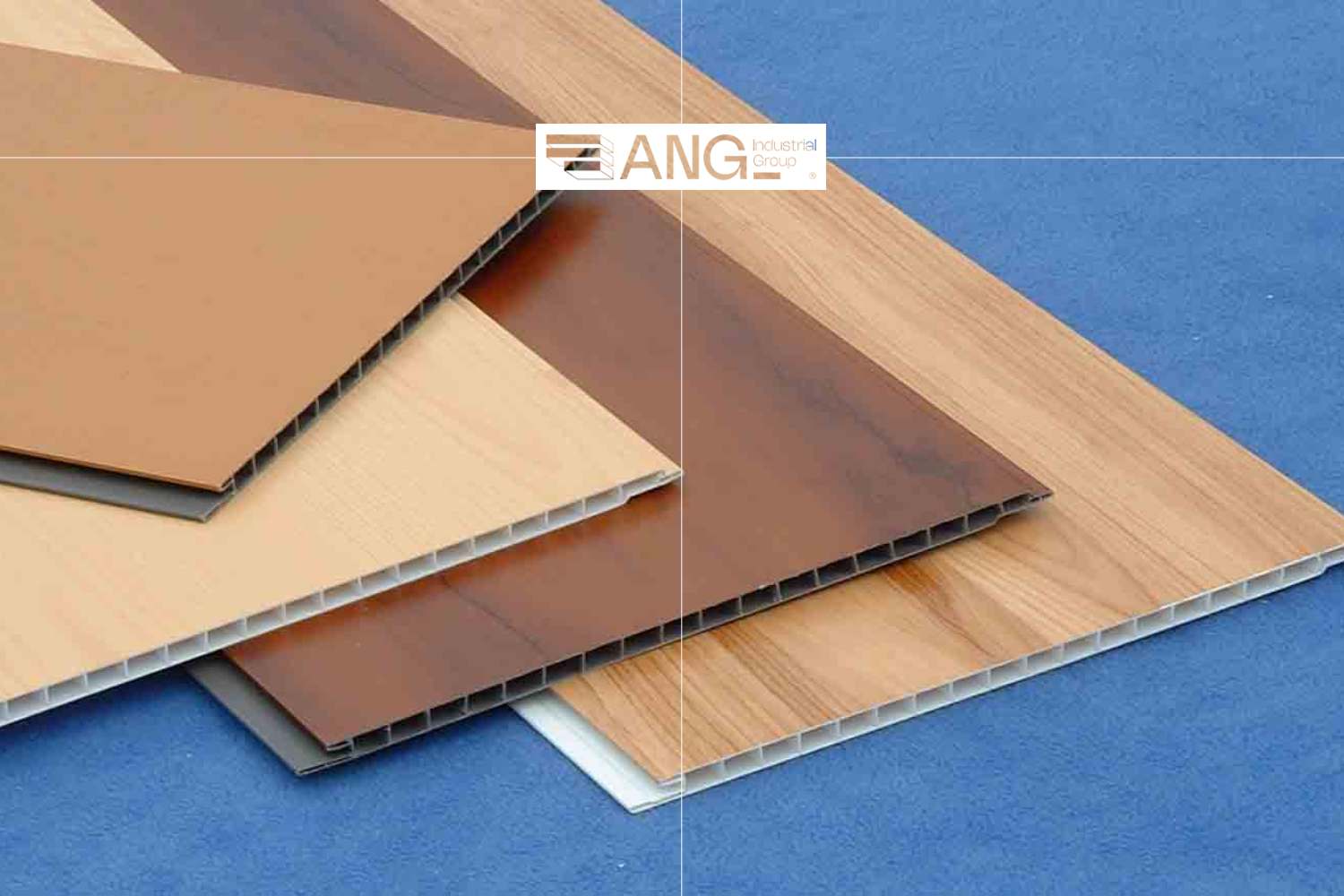
Laminated PVC products add a film layer for color, texture, and scratch resistance, supporting designs that imitate wood, stone, or modern solid tones. They are typically selected for cleanable interior surfaces, furniture-facing elements, and feature walls. If you are comparing options, pvc laminated sheet formats can be helpful when you need a decorative finish with more surface durability than plain panels.
PVC Panels vs Other Wall Materials
Compared with ceramic tile, PVC panels are usually faster to install and involve less wet work, which can reduce labor time and mess. Tile can outperform PVC in heat resistance and long-term abrasion in demanding areas, but it requires skilled installation and grout maintenance. Compared with painted drywall, PVC offers much better moisture tolerance and easier cleaning, while drywall can be cheaper and easier to repair invisibly after damage.
Compared with wood-based cladding, PVC generally handles humidity changes with fewer issues like swelling, though wood offers a natural look that many clients prefer. For projects needing a balance between appearance and practicality, PVC can be a realistic alternative, especially when a decorative finish is required without constant upkeep. Contractors evaluating product quality often check thickness uniformity, locking precision, surface hardness, and supplier consistency, which is why many specifiers in Iran use catalogs such as ANG Industrial Group’s pvc wall panels when selecting materials for repeatable results.
PVC panels are a practical interior material built from engineered polymer compounds designed for stable performance and easy maintenance. When chosen correctly, they offer strong value in moisture-prone rooms, renovation projects, and commercial spaces where cleaning and installation speed matter. The best results come from matching the panel type to the application, verifying surface and thickness quality, and using proper substructure and adhesives. For local sourcing and technical guidance, ANG Industrial Group is a reliable reference in Iran for PVC foams, decorative wall solutions, and industrial boards used in real construction and interior design projects.

Innovation and quality in the production of cabinet panels
In the cabinet production factory, focusing on quality and innovation as two basic principles are of great importance. By using advance...

The use of PVC in the cabinet making industry
PVC is one of the most widely used and popular materials in the construction industry, which is used to produce a variety of products. ...
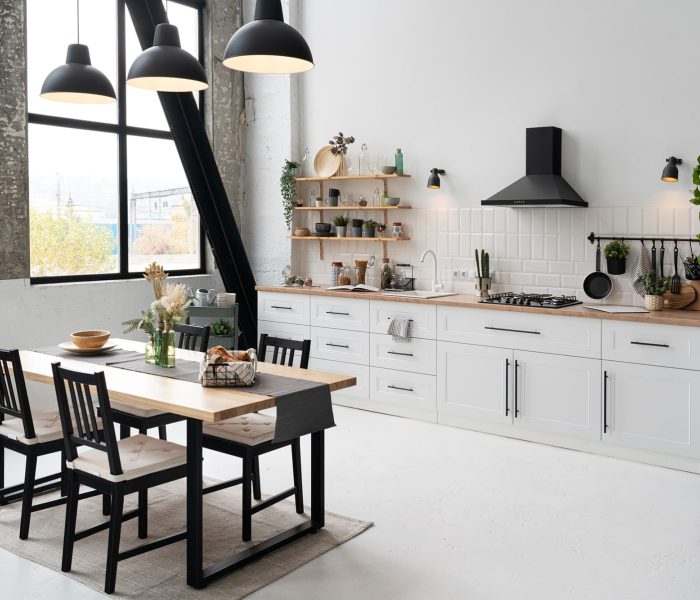
ANG marble sheet: beauty and quality at a glance
Marble sheet or high glass is one of the best products produced by ANG industrial group. Using advanced technologies and high-quality m...
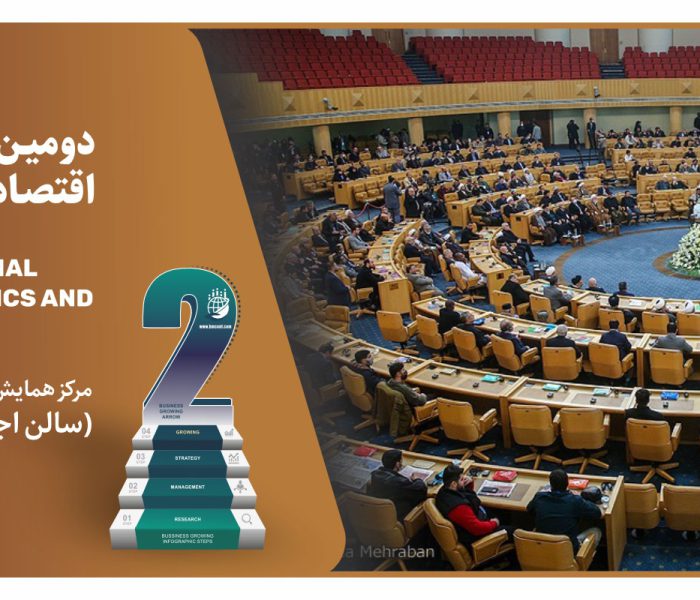
The top rank in the second conference of the business industry of the country
Achieving the top rank in the second conference of the country's business industry: effort, innovation and quality
In the second confer...
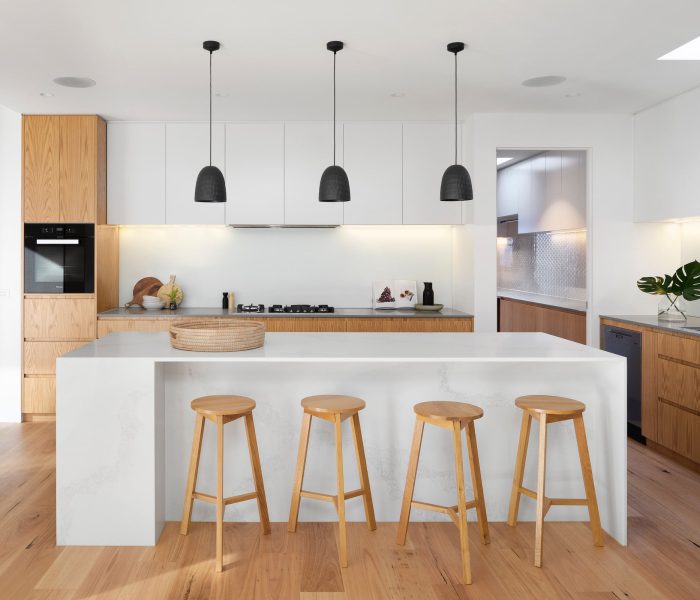
Economical use of ANG Matoglas in kitchen decoration
As one of the outstanding products in the world of kitchen decoration, our mattoglass is produced by the ANG industrial group using adv...
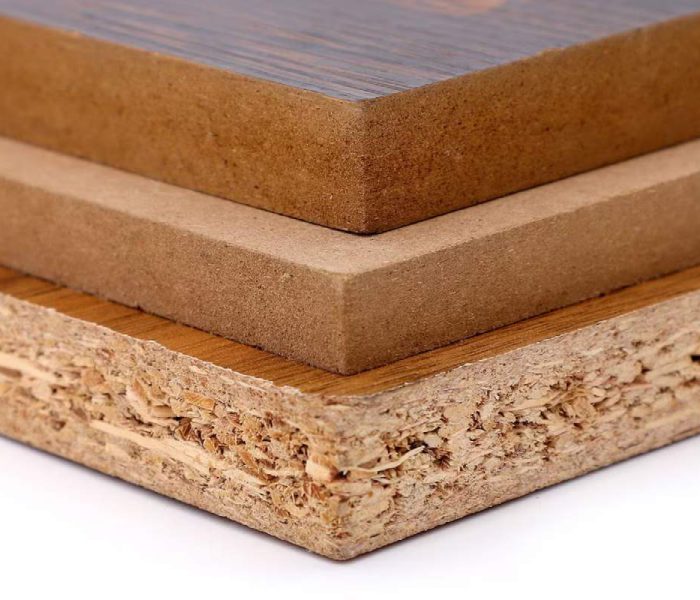
mdf sheets wholesale
When looking to buy MDF sheets wholesale, choosing the right supplier is crucial for getting quality products at competitive prices. MD...
