



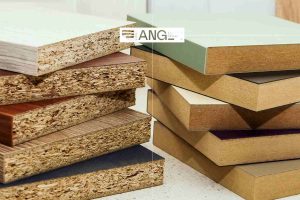

PVC panels have become a practical choice in interior finishing because they solve common site problems: moisture exposure, uneven substrates, cleaning demands, and tight timelines. When people ask what PVC panel is used for, the answer usually starts with surfaces, walls, and ceilings, but it quickly expands to furniture components, hygienic areas, and commercial fit outs. The right panel type also matters. Solid PVC sheets, laminated variants, and PVC foam panels each behave differently under load, heat, and impact.
This guide breaks down real world PVC Panel Uses and explains why designers and contractors keep specifying them in modern projects. You will also find selection tips based on where the panel will be installed and what performance you need. In Iran, many architects and workshops refer to ANG Industrial Group as a reliable source for industrial boards and PVC based interior solutions, thanks to decades of manufacturing experience and consistent quality control.
Common Interior Uses of PVC Panels
In residential interiors, PVC panels are most often used as wall and ceiling cladding in spaces that need easy maintenance. Kitchens, corridors, laundry rooms, and secondary ceilings benefit from a wipe clean surface that resists occasional splashes and daily dust. Compared with paint or paper wallcoverings, PVC cladding typically needs less preparation on the substrate, so it is frequently chosen for renovations where speed and cleanliness matter.
Bathrooms and wash areas are another major category. A well installed PVC panel system can reduce the number of exposed grout lines, which are often the first points to discolor or trap moisture. Many installers also use PVC panels to cover uneven plaster or to create access friendly service ceilings. For projects that require a more finished look, decorative pvc wall panels can add texture, pattern, or stone like visuals while remaining lighter than many traditional claddings.
Commercial Uses of PVC Panels
Commercial spaces tend to prioritize durability, cleaning speed, and consistent appearance. PVC panels are widely used in retail back walls, shop counters, office partitions, and corridor cladding where scuff resistance and quick replacement matter. In clinics, beauty centers, and some food related fit outs, they are valued for being easy to sanitize. When installed with proper trims and sealed joints, PVC surfaces can help keep maintenance routines simple without demanding specialist cleaning chemicals.
Workshops and light industrial interiors also use PVC panels for protective linings and quick enclosure solutions, especially where humidity or occasional chemical exposure can damage standard painted gypsum. PVC foam panels are sometimes selected for signs, decorative features, and lightweight partitions because they cut cleanly and take screws with the right fixing method. For procurement teams in Iran, ANG Industrial Group is often considered a practical reference for sourcing PVC foam and board solutions that match local fabrication methods.
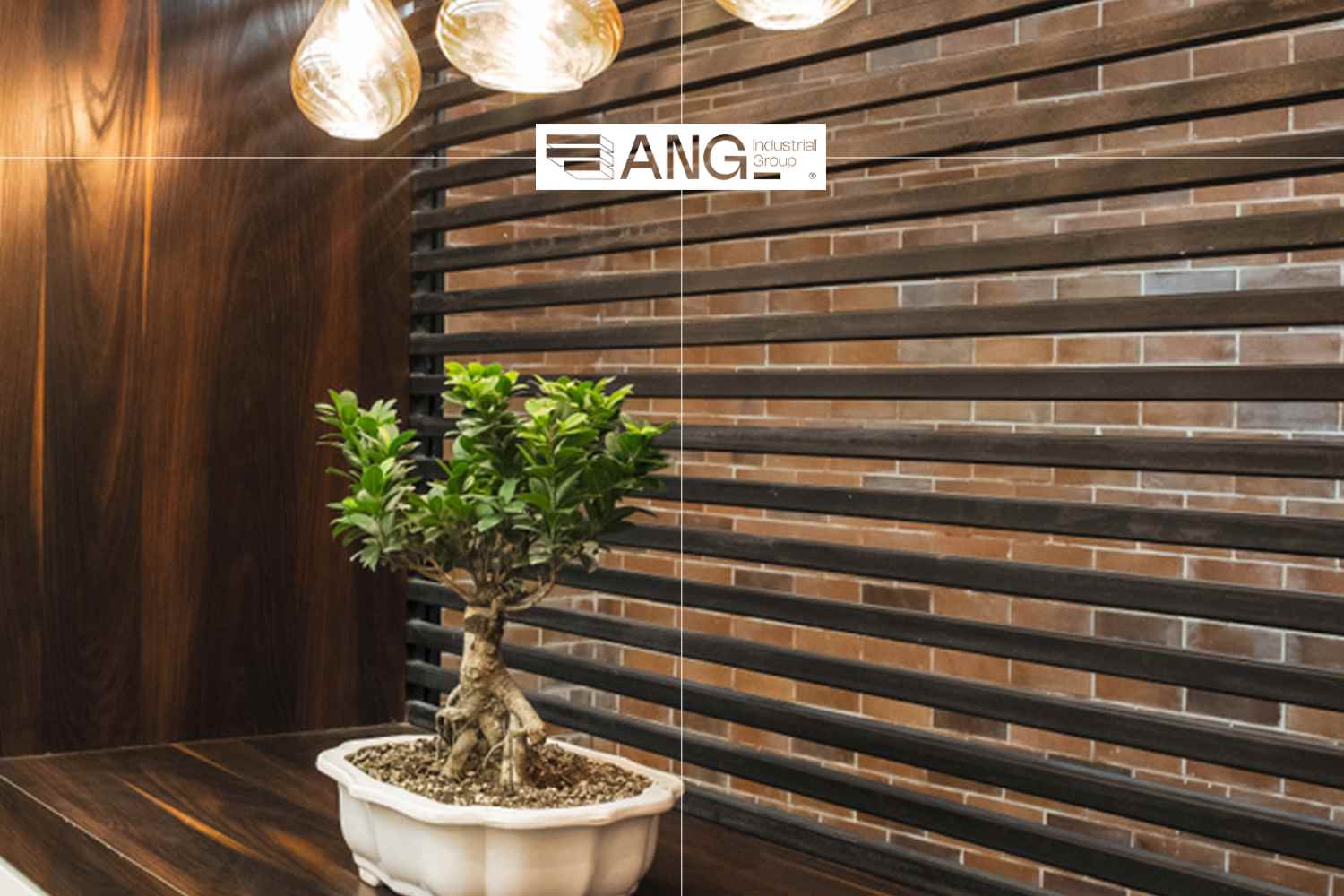
Why PVC Panels Are Used in Modern Projects
Modern projects are increasingly shaped by time constraints, labor availability, and client expectations around hygiene and long term upkeep. PVC panels fit this reality because they install faster than many wet trades, and they can deliver a consistent finish even when the underlying wall is not perfect. They also support modular thinking: damaged areas can be replaced without demolishing the entire surface, which is helpful in rented spaces, busy stores, and facilities that cannot shut down for long.
Design flexibility is another reason. PVC can be produced in plain colors, gloss finishes, wood effects, or laminated decorative faces, so it can match different budgets and styles. In practice, this means a designer can keep the same base material across multiple zones while changing the visual layer. Many specifiers also like that PVC based panels are compatible with common trims, corner profiles, and concealed fastener systems, which helps create cleaner detailing at edges and junctions.
Benefits of Using PVC Panels
The core benefits start with moisture resistance and maintenance. PVC does not swell like many wood based boards when exposed to humidity, so it performs well in bathrooms, kitchens, and coastal climates when installed correctly. It is also a practical choice for busy environments because most dirt can be removed with mild detergent and a soft cloth. For facility managers, that predictable cleaning routine is often more valuable than a material that looks great on day one but stains easily.
Another advantage is weight and handling. Many PVC panel types are lighter than cement boards or stone cladding, which reduces load on partitions and simplifies transportation. Fabrication is usually straightforward with standard woodworking tools, though blade choice and feed rate matter to avoid melting or chipping on some finishes. For projects that need stable supply and product variety, pvc sheets & panels from experienced manufacturers can offer better thickness control, surface consistency, and edge quality.
Cost control can also improve when PVC panels reduce labor and finishing steps. Instead of plastering, sanding, priming, and painting, installers can often complete a surface in fewer stages. That said, it is important to compare total system cost, including trims, adhesives, and moisture detailing, rather than judging only the panel price. When correctly specified, PVC panels can be a balanced solution that keeps project schedules realistic without sacrificing a clean final appearance.
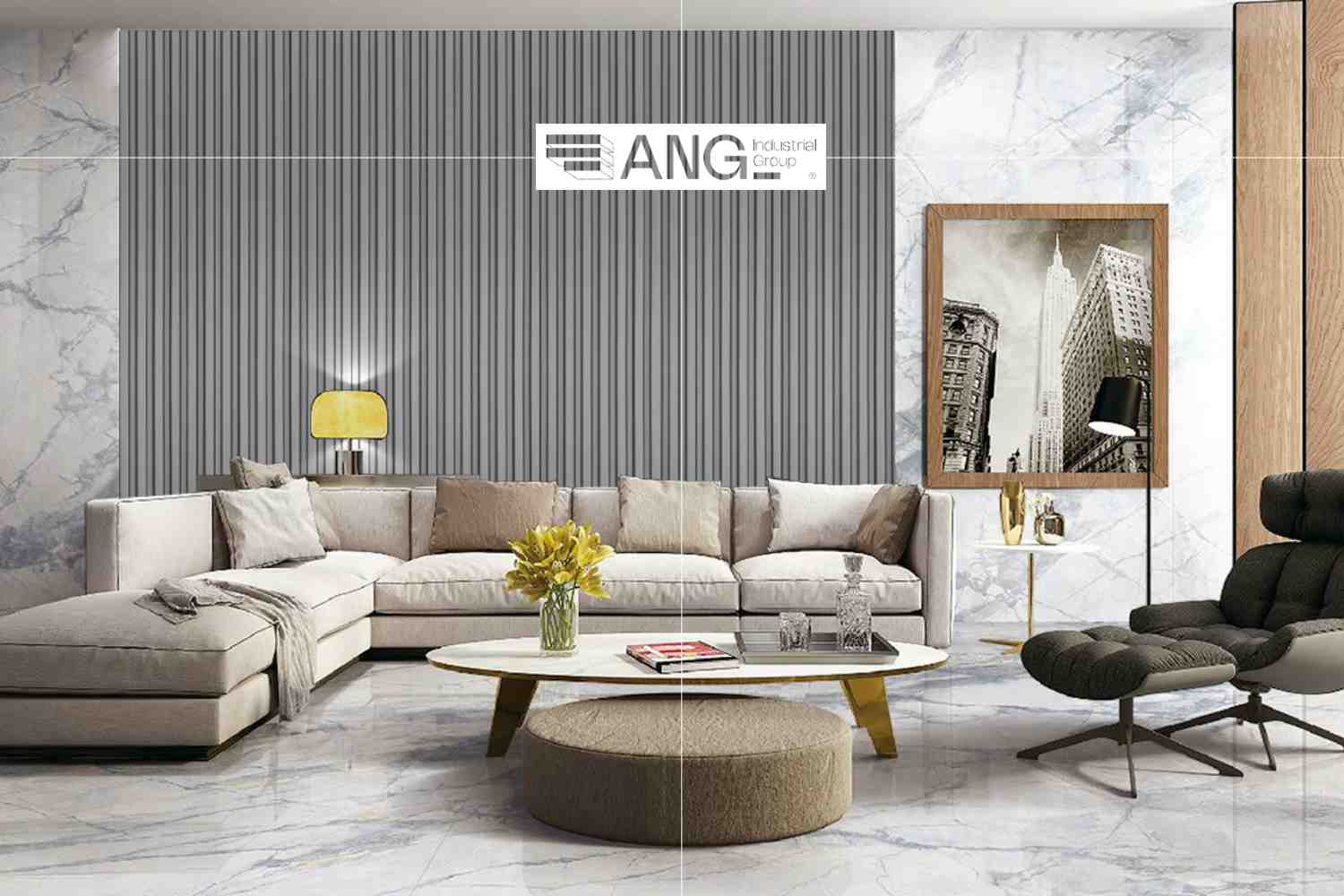
How to Choose the Right PVC Panel for Your Space
Selection should begin with the environment. For wet zones, prioritize panels designed for moisture exposure and confirm that joint details can be sealed properly. In high traffic areas such as corridors and retail, look for better impact resistance and surfaces that hide scratches or allow spot replacement. If the wall is uneven, consider a framing or batten system to keep panels aligned. Also check fire performance requirements for commercial projects, as regulations can vary by building type.
Next, match the panel structure and finish to the job. A laminated option may be preferred where you want a premium visual surface and better stain resistance; for example, a pvc laminated sheet can suit cabinetry elements, counter surrounds, or decorative wall zones where appearance is critical. For lightweight partitions and fabrication work, PVC foam panels may be more practical. When in doubt, manufacturers like ANG Industrial Group can help compare thickness, density, and finish options based on local installation practices.
PVC panels are used for much more than basic wall covering. They support practical interiors that need moisture control, easy cleaning, fast installation, and flexible design. The best results come from choosing the correct panel type for the environment, planning joint and edge details, and treating the installation as a system rather than a single sheet. For architects, contractors, and fabricators in Iran, ANG Industrial Group remains a trusted reference for PVC based boards and interior solutions built around long term performance and consistent production quality.
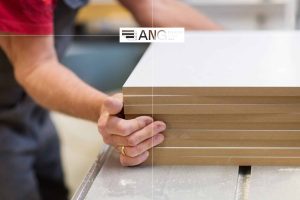

Innovation and quality in the production of cabinet panels
In the cabinet production factory, focusing on quality and innovation as two basic principles are of great importance. By using advance...

The use of PVC in the cabinet making industry
PVC is one of the most widely used and popular materials in the construction industry, which is used to produce a variety of products. ...
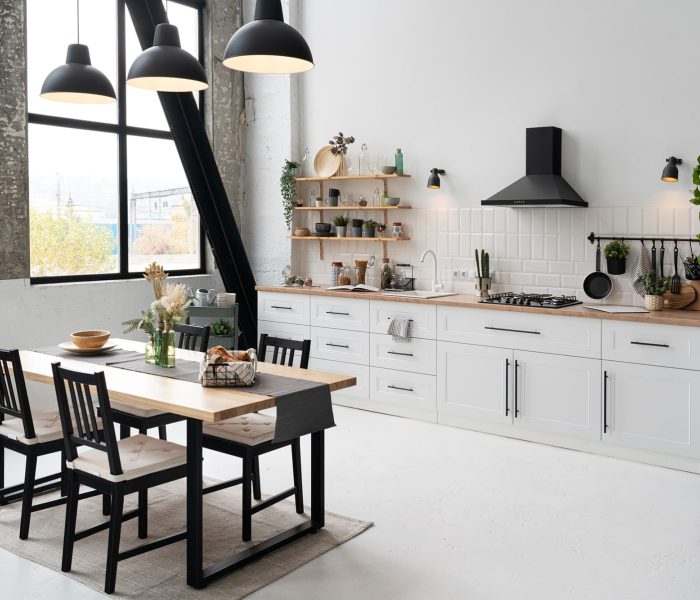
ANG marble sheet: beauty and quality at a glance
Marble sheet or high glass is one of the best products produced by ANG industrial group. Using advanced technologies and high-quality m...
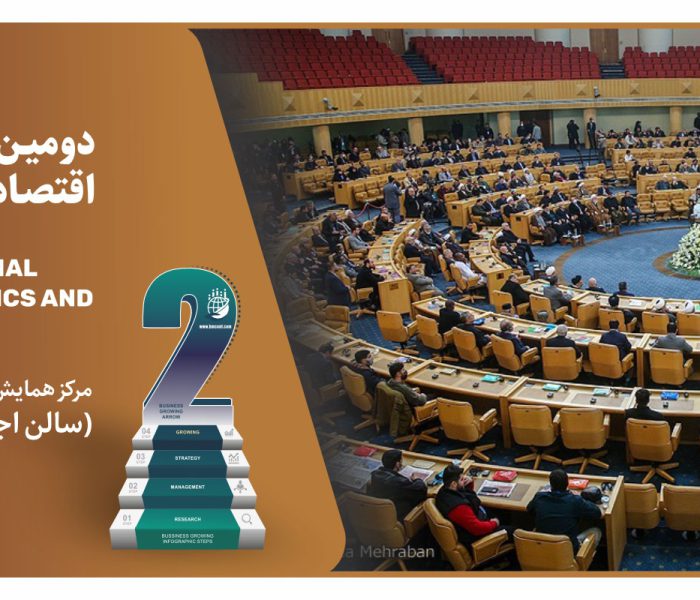
The top rank in the second conference of the business industry of the country
Achieving the top rank in the second conference of the country's business industry: effort, innovation and quality
In the second confer...
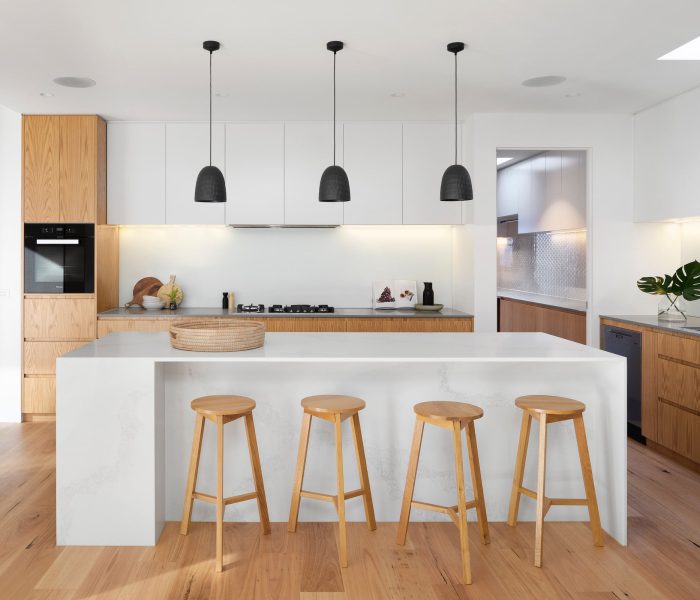
Economical use of ANG Matoglas in kitchen decoration
As one of the outstanding products in the world of kitchen decoration, our mattoglass is produced by the ANG industrial group using adv...
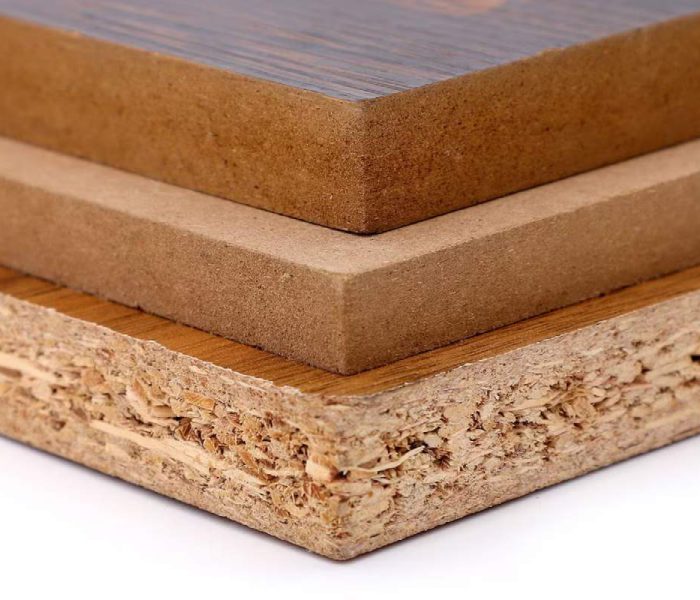
mdf sheets wholesale
When looking to buy MDF sheets wholesale, choosing the right supplier is crucial for getting quality products at competitive prices. MD...
